







Platform and Cabin Enhancements
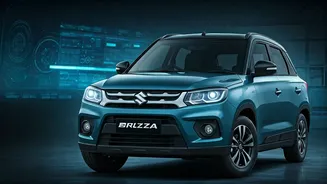
The evolution of compact SUVs is marked by significant platform advancements, promising increased interior spaciousness and improved structural integrity.
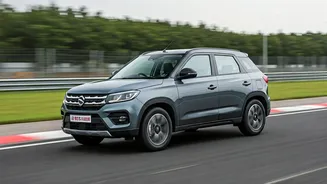
These next-generation models are likely to adopt more modern, modular architectures. This shift not only bolsters crash safety by providing a more rigid foundation but also enhances the overall ride quality, making journeys more comfortable. Furthermore, these new platforms facilitate greater cabin room, particularly benefiting rear-seat occupants who have often found themselves a bit constrained in previous iterations. The attention to detail extends to passenger comfort, with efforts focused on reducing noise, vibration, and harshness (NVH) through superior insulation, creating a more serene and premium environment within the vehicle. These foundational changes are critical in elevating the compact SUV experience beyond mere functionality to one of sophisticated refinement and assured safety.
Technological and Safety Innovations
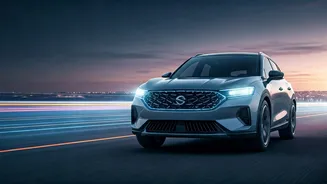
The upcoming compact SUV models are set to become powerhouses of technological innovation and advanced safety features. Consumers can anticipate a significant upgrade in infotainment systems, with larger, more responsive touchscreens becoming standard, offering a more intuitive user experience. Connectivity options are also expected to expand, integrating more seamlessly with personal devices. Perhaps the most exciting development is the potential integration of Level 2 Advanced Driver Assistance Systems (ADAS). This suite of technologies, which includes features like adaptive cruise control and lane-keeping assist, promises to significantly enhance driving safety and reduce driver fatigue on longer journeys. The inclusion of such advanced systems in the compact SUV segment is a major step forward, bringing premium-level safety and convenience features to a broader audience and setting a new benchmark for the class.
Powertrain Advancements and Efficiency
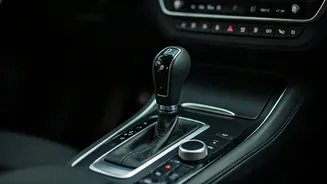
The powertrain landscape for compact SUVs is on the verge of a significant transformation, with a strong focus on both performance and environmental responsibility. A key development is the exploration of hybrid technologies, aiming to deliver exceptional fuel efficiency without compromising on driving dynamics. This includes the potential introduction of strong-hybrid variants, which combine a petrol engine with electric motors to optimize power delivery and reduce emissions. Alongside these eco-friendly options, there's a growing trend towards turbo-petrol engines. These smaller displacement, turbocharged units offer a compelling blend of power and efficiency, often falling into more favorable tax brackets. The integration of advanced transmissions, such as 6-speed manual gearboxes, further contributes to improved performance and compliance with evolving emission standards, ensuring these vehicles remain competitive and sustainable.
Practicality and Versatility Upgrades
Beyond technological and powertrain innovations, the next generation of compact SUVs is also addressing practical considerations that are paramount for everyday users. Enhanced cabin space, particularly in the rear, is a key focus, aiming to provide greater comfort for all passengers. For those opting for alternative fuel vehicles, such as those powered by Compressed Natural Gas (CNG), significant improvements in practicality are on the horizon. Future models are exploring innovative underbody mounting solutions for CNG tanks, a departure from the current boot-space compromising designs. This new approach allows for the retention of full cargo capacity, offering a dual benefit of reduced running costs coupled with uncompromised utility. These thoughtful upgrades underscore a commitment to making compact SUVs more versatile and user-friendly for a wider range of needs.