





Solar Maximum Anticipation
Scientists are predicting a period of increased solar activity, known as a solar maximum, which is anticipated to peak around 2026. This cyclical phenomenon
is driven by the sun's magnetic field, and the sunspot cycle, which lasts approximately 11 years. During a solar maximum, the sun's activity increases, leading to more frequent and intense solar flares and coronal mass ejections (CMEs). These events release vast amounts of energy and particles into space, ultimately influencing Earth's environment.
Aurora Borealis Potential
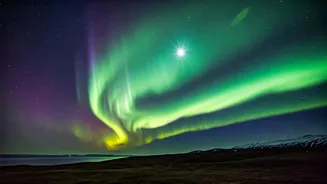
The heightened solar activity expected in 2026 is linked to the increased likelihood of witnessing spectacular auroras, especially the Northern Lights, or Aurora Borealis. When charged particles from the sun collide with Earth's atmosphere, they interact with the gases there, creating the luminous displays we know as auroras. During solar maximums, the increased flow of particles enhances this interaction, potentially resulting in auroras that are brighter, more widespread, and visible from lower latitudes than usual. This means that people in areas that typically do not see the Northern Lights may have a chance to witness the spectacle.
Technological Implications
While the prospect of grand auroral displays is exciting, increased solar activity also poses potential risks to technology. Solar flares and CMEs can disrupt satellite communications, damage power grids, and interfere with GPS systems. The charged particles can also affect aviation, requiring adjustments to flight paths. Therefore, anticipating and preparing for potential technological disruptions is vital. Scientists and engineers are actively working on methods to mitigate these risks. This includes monitoring solar activity, developing more robust technologies, and creating early warning systems to alert people to potential hazards.
Preparing for 2026
To fully appreciate the beauty of the auroras in 2026, it is useful to prepare in advance. This means understanding where and when to look, knowing the best viewing conditions, and understanding how the solar activity relates to the intensity of the lights. The best places to view the Northern Lights are typically in areas with little light pollution. Ideal viewing conditions are clear, dark skies, often during the winter months. Monitoring solar activity through various online resources is helpful to anticipate when the auroras are most likely to appear. In anticipation of the event, travel to areas with clear skies, or learn about forecasting tools to maximize your viewing opportunities.
A Year of Wonders
The year 2026 promises to be a remarkable year for those who appreciate the wonders of nature, bringing potential for some of the most stunning auroral displays in recent history. It's a reminder of the dynamic relationship between the sun and Earth and the impact of the sun's activity. The anticipation of the celestial events is met with the awareness of possible technological challenges. This combination of scientific understanding and preparedness will allow people to appreciate the beauty of nature while also ensuring a safer and more technologically resilient future.