
Solar Maximum Explained
The Sun's activity isn't constant; it follows an approximately 11-year cycle known as the solar cycle. This cycle is characterized by fluctuations in the Sun's magnetic
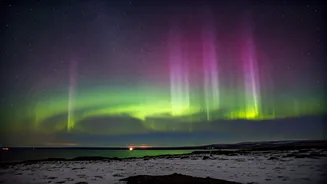
field, leading to variations in solar flares, sunspots, and coronal mass ejections (CMEs). The solar maximum is the peak of this cycle, a period when the Sun's activity is at its highest. During this time, the Sun releases more energy, emitting more charged particles into space. These particles interact with Earth's magnetic field and atmosphere, creating auroras. The solar maximum in 2026 is expected to be particularly active, leading to a surge in geomagnetic storms and, consequently, more frequent and vibrant auroral displays. The intensity of these events depends on the strength of the solar cycle, which varies from one cycle to another.
Geomagnetic Storms Spark
Geomagnetic storms, caused by CMEs impacting Earth, play a vital role in generating auroras. These storms occur when a CME from the Sun collides with Earth's magnetosphere, the region around Earth controlled by its magnetic field. This interaction injects energy into the magnetosphere, leading to increased activity in the ionosphere, the upper layer of Earth's atmosphere. This increased activity excites the atoms and molecules in the atmosphere, causing them to emit light, creating the auroras. The intensity of a geomagnetic storm is measured using a G-scale, with G1 being a minor storm and G5 being an extreme storm. Stronger geomagnetic storms are associated with more visible and widespread auroras, potentially visible even at lower latitudes. The G2 solar storm watch issued in January serves as an example of an event that can contribute to these displays.
Viewing Night Skies
The best time to see the Northern Lights is during the dark months, specifically between autumn and spring. The presence of dark, clear skies, away from light pollution, is critical. Locations closer to the Arctic or Antarctic circles generally have a higher probability of seeing auroras because that's where Earth's magnetic field lines converge. However, during strong geomagnetic storms, auroras can be visible at lower latitudes, sometimes even in regions where they're rarely seen. It is important to check the real-time auroral forecast and geomagnetic activity for precise predictions. Websites and apps dedicated to forecasting auroras provide valuable information on the likelihood of seeing the lights. This includes details about the expected intensity and geographical spread of the auroras.
Factors Affecting Visibility
While solar activity and geomagnetic storms are primary drivers of auroras, several other factors influence visibility. Weather conditions, like cloud cover, significantly impact whether auroras can be seen. Clear skies are essential for viewing. The presence of light pollution from cities or other artificial sources can obscure the auroral displays. Finding a location far from light pollution will help. The strength and direction of the solar wind also play a crucial role. A stronger solar wind carries more charged particles towards Earth, leading to more intense auroras. The orientation of Earth's magnetic field relative to the incoming solar wind influences how auroral displays appear. Lastly, the timing of the display, considering the Earth's rotation relative to the Sun, can impact visibility. The early hours of the night, after sunset, often yield the best viewing opportunities.
2026: An Aurora Year
Given the forecast for an active solar maximum in 2026, the potential for stunning auroral displays is exceptionally high. The increased frequency of solar flares and CMEs means more geomagnetic storms, potentially leading to more frequent and more visible auroras. This could mean more opportunities for people to witness these breathtaking celestial phenomena. Scientists are continuously monitoring the Sun's activity and predicting the likelihood of major geomagnetic events. The interplay of high solar activity, clear skies, and strategic viewing locations could result in an unforgettable year for aurora enthusiasts and anyone hoping to witness one of nature's most dazzling displays. The chance of witnessing these auroras, particularly the Northern Lights, is significantly elevated.