
Hyperion Engine Unveiled
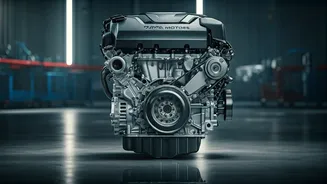
The debut of the Hyperion petrol engine, powering the Tata Safari and Harrier, marks a significant shift for Tata Motors. This new engine represents a strategic
move towards a more diverse powertrain lineup. The discussion with Mohan Savarkar provided critical insights into the engine's specifics, its intended purpose, and the implications for the brand. This marked a turning point in Tata Motors' approach, offering consumers more options and highlighting their commitment to evolving market demands. The Hyperion's introduction was not merely about offering a new engine but rather about reshaping the brand's identity and its capability to be competitive in the automotive market.
Petrol Engine Integration Delay
The delay in incorporating petrol engines into models like the Safari and Harrier raised many questions. The conversation with Savarkar aimed to provide some clarity on this matter. The delay could be attributed to various factors, including shifting market preferences, the need for enhanced engine technology, and strategic decision-making. These decisions are crucial in adapting to changing consumer expectations and the complex dynamics of the automotive industry. This period of strategic thought enabled Tata Motors to ensure the optimal introduction of their petrol engine variants, aligning with consumer needs and business objectives.
Shifting Consumer Mindsets
A critical aspect of the Hyperion's introduction revolved around challenging established consumer perceptions. The industry has often associated larger SUVs with bigger engines, especially diesel ones. Tata Motors aimed to challenge this belief by introducing a refined petrol engine. The company's goal was to persuade consumers that petrol engines can provide both performance and efficiency, offering a different driving experience, without the need for excessive engine displacement. This campaign involved educating consumers and showcasing the engine's benefits through hands-on testing and performance demonstrations. The strategy focused on providing evidence of the engine's prowess in real-world scenarios, thereby changing existing mindsets and shaping future purchasing decisions.
Versatile Engine Platform
The Hyperion petrol engine's versatility was another core topic of discussion. The engine's initial introduction in the Sierra demonstrated its capacity to adapt across various models within Tata's portfolio. Its flexible architecture enabled easy integration into other vehicles, offering a range of performance characteristics. This adaptability was strategically important, ensuring the engine would cater to various consumer needs. The modular design of the Hyperion engine allowed for enhancements and adaptation. This flexibility supported the engine's deployment across different vehicle types, from smaller cars to performance-oriented models. Such a comprehensive approach reinforced the brand's commitment to delivering a broad selection of vehicles and catering to diverse customer preferences.
Real-World Performance Testing
Real-world performance was a key element in validating the Hyperion engine's capabilities. Tata Motors highlighted the measures they took to evaluate the engine under a range of driving conditions. These tests were essential for demonstrating the engine's reliability, power, and efficiency. They provided data on fuel consumption, acceleration, and overall driving dynamics, thus confirming the engine's performance as per the specifications. These tests were carried out to show that the engine would perform in the real world. By emphasizing the engine's capabilities in various settings, Tata Motors aimed to provide concrete evidence of its excellence, making sure that it would meet and exceed customer expectations.
Powertrain Strategy 2026
The conversation also touched upon Tata Motors' powertrain strategy for 2026. This revealed their long-term vision and investments in technological advancements. This involves a focus on hybrid, electric, and other alternative fuel technologies. Their strategy reflects their awareness of the global automotive landscape. It also focuses on the company's dedication to meeting environmental standards and reducing emissions. This plan indicates Tata Motors' commitment to innovation and future-proofing their product line-up. This proactive approach underlines their efforts to stay ahead of the curve.
Safety as Core Value
Safety has always been a key focus for Tata Motors. The company aims to make this a central component of its future product development. They have continuously incorporated advanced safety technologies, from robust structural designs to enhanced driver-assistance systems. These efforts reflect their dedication to protecting drivers and passengers alike. The ongoing commitment to safety underscores the brand's reputation for reliability. Future plans would include integrating the latest in safety innovations, creating a safer experience for consumers. Their safety features are essential in positioning the brand as a dependable choice for families and safety-conscious consumers in the market.