


Production Halt Announced
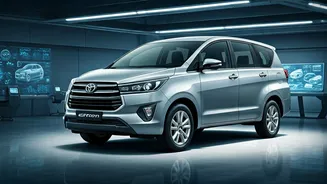
The decision to discontinue the Innova Crysta's production by 2027 is a significant one. While the exact reasons aren't explicitly provided in this context,
such decisions typically arise from a confluence of factors. These can include evolving market demands, the emergence of new technologies, and shifts in consumer preferences. The automotive industry is in a constant state of flux, with manufacturers continually assessing their product portfolios to ensure they remain competitive. The Innova Crysta, a popular choice in its segment, has likely been evaluated in the context of broader trends and the company's long-term strategic objectives for the Indian market. It's plausible that this move is a reflection of shifts in the MPV (Multi-Purpose Vehicle) segment, perhaps influenced by the rise of SUVs and the increasing emphasis on electric and hybrid vehicles. Furthermore, it's also important to note that changes in emission standards and regulatory requirements can impact production timelines. Therefore, various influences may be involved in the strategic decision.
Market Dynamics at Play
Analyzing market dynamics is critical for understanding this strategic move. The MPV segment, where the Innova Crysta competes, is seeing changes in consumer behavior. The rising popularity of SUVs (Sports Utility Vehicles) across India could be a factor. SUVs often offer a blend of versatility, a sense of style, and technological features that appeal to a broad consumer base, leading to potential market shifts. Further, changing consumer preferences often lead to manufacturers readjusting their product offerings to align with demands. Toyota may be reevaluating its product mix to focus resources on areas with higher growth potential or where it can maintain a stronger competitive edge. Also, evolving regulations, such as those related to emissions or safety, can prompt companies to revise their product strategies. Manufacturers must adapt to these new standards to stay relevant and competitive. In the long term, anticipating the direction of the automotive industry can help in understanding these types of moves.
Future Automotive Directions
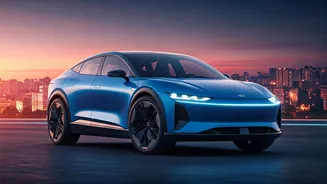
The automotive industry is heading toward electrification and advanced technologies. Toyota is investing significantly in hybrid and electric vehicle technologies. The discontinuation of a model like the Innova Crysta may reflect a strategic realignment toward cleaner, more sustainable transportation solutions. It is likely that resources will be redirected towards electric vehicles (EVs) and hybrid vehicles. The increasing pressure from governments and consumers to reduce carbon footprints further accelerates this trend. Moreover, developments in autonomous driving and connected car technologies are also reshaping the industry. These technological advancements demand substantial investments in research, development, and infrastructure. Toyota's strategic decisions may indicate a focused approach to these areas. Looking ahead, the company may introduce advanced technology in future models.
Impact and Implications
The discontinuation of a well-regarded model always has market repercussions. Owners and potential buyers of the Innova Crysta will be affected. Those already owning the model might have concerns regarding resale values, the availability of spare parts, or how this production shift may influence their ownership experience. Prospective buyers will now have to consider alternatives. This presents opportunities for competing manufacturers. Other MPVs and SUVs will likely become more attractive options for consumers. The overall impact on the Indian automotive market is also significant. The shift could reshape the competitive landscape, potentially leading to alterations in market share among various manufacturers. Furthermore, the decision might signal a broader trend within the industry, where older, established models make way for newer, more efficient, and technologically advanced vehicles, affecting the sector's evolution and strategic direction. Therefore, all these factors must be looked at in detail.