
Early Automotive Innovations
The automotive industry has witnessed tremendous technological evolution, right from its inception. Early innovations focused primarily on enhancing the
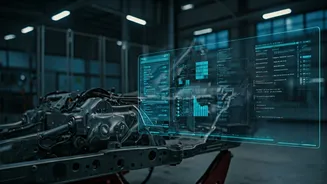
fundamental mechanics of vehicles, which involved aspects such as the internal combustion engine, steering systems, and rudimentary braking mechanisms. Moreover, developments were geared toward improving the efficiency and reliability of these core components. For instance, the transition from hand-crank starting to electric starters significantly improved user convenience and safety. These innovations, though appearing basic by today's standards, laid the essential foundation for subsequent advancements. Furthermore, the focus remained on refining the existing technologies to enhance performance and make vehicles more user-friendly. This era marked the initial steps toward the sophisticated technologies that define modern automobiles, paving the way for further breakthroughs.
Electronics and Integration
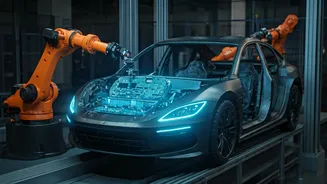
The introduction of electronics marked a crucial turning point in automotive technology. Electronic control units (ECUs) became integral, overseeing engine performance, fuel efficiency, and emissions. Electronic stability control (ESC) and anti-lock braking systems (ABS) emerged as groundbreaking safety features, significantly reducing accident risks. Alongside, the integration of electronic systems within vehicles became more sophisticated. This included multiplexing, which used a single wire to manage multiple functions, reducing wiring complexity and vehicle weight. Furthermore, infotainment systems transformed the driving experience, incorporating features like navigation, audio, and communication. These electronic advancements greatly improved vehicle performance, safety, and driver convenience, setting the stage for more complex technologies.
Advanced Driver-Assistance Systems
Advanced Driver-Assistance Systems (ADAS) have revolutionized vehicle safety and driving experience. Technologies like adaptive cruise control, lane-keeping assist, and blind-spot monitoring are now commonly found in modern vehicles. These systems leverage sensors such as radar, cameras, and ultrasonic devices to detect the vehicle's surroundings. They provide real-time information to the driver and can automatically intervene to prevent accidents or mitigate their severity. Park assist and automated emergency braking systems offer further assistance. ADAS not only enhance safety by preventing collisions but also improve driver comfort and reduce stress. The ongoing advancement and proliferation of ADAS are steadily moving toward greater automation and paving the way for autonomous driving capabilities.
Connectivity and Infotainment
The trend towards vehicle connectivity has seen a substantial rise, with cars now equipped with advanced infotainment systems. These systems provide features such as smartphone integration, real-time traffic updates, and over-the-air software updates. The inclusion of Wi-Fi hotspots and various app integrations has enhanced the in-vehicle experience. Besides this, the increasing use of connected services allows for remote vehicle monitoring, diagnostics, and assistance. Carmakers are also focusing on data analytics to enhance vehicle performance and offer personalized driving experiences. The continuous evolution of connectivity is integral to the development of smart vehicles, creating a seamless and integrated experience between the car, its occupants, and the external environment.
Electric and Hybrid Vehicles
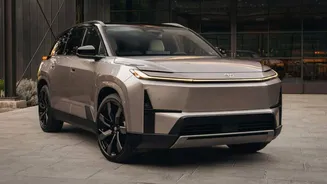
The focus on environmental sustainability has spurred significant growth in electric vehicles (EVs) and hybrid vehicles. Hybrid vehicles combine internal combustion engines with electric motors to improve fuel economy and reduce emissions. EVs, on the other hand, eliminate tailpipe emissions entirely, relying on electric power. This transition is backed by rapid advancements in battery technology, which have increased the driving range and decreased charging times. Government incentives and regulations are encouraging the adoption of EVs. The automotive industry is making considerable investments in EV development, with new models and charging infrastructure rapidly expanding. Moreover, EVs and hybrid vehicles are important steps in the shift to eco-friendly transport, lowering greenhouse gas emissions and pushing for more sustainable mobility solutions.
Autonomous Driving Systems
Autonomous driving is a rapidly evolving area of automotive technology, with several automakers and tech companies actively developing self-driving vehicles. These vehicles rely on sensors like lidar, radar, and cameras to perceive their surroundings. They also use sophisticated algorithms to make driving decisions, navigate roads, and interact with other vehicles and pedestrians. Self-driving technologies are categorized into different levels of automation, ranging from driver assistance features to full autonomy. While completely driverless cars are not yet commonplace, significant progress has been made. Overcoming obstacles, such as safety standards, ethical considerations, and infrastructure requirements, is crucial to bringing autonomous driving to the masses. The potential of this technology to revolutionize transportation and increase safety is immense, but comprehensive testing and careful regulation are required.
Future Trends and Innovations
Looking ahead, the future of automotive technology looks incredibly promising, including several key trends that are set to influence the industry. Advancements in artificial intelligence and machine learning will play a crucial role in improving autonomous driving capabilities. The widespread implementation of vehicle-to-everything (V2X) communication will allow vehicles to communicate with each other, traffic infrastructure, and other systems. In addition, the incorporation of advanced materials will reduce vehicle weight and improve performance. Sustainability will stay a key driver, with the development of more efficient and eco-friendly powertrains. As these technological advances continue, they will fundamentally change how we drive, transforming the automotive industry and enhancing the overall mobility experience.