
Faster Commutes Ahead
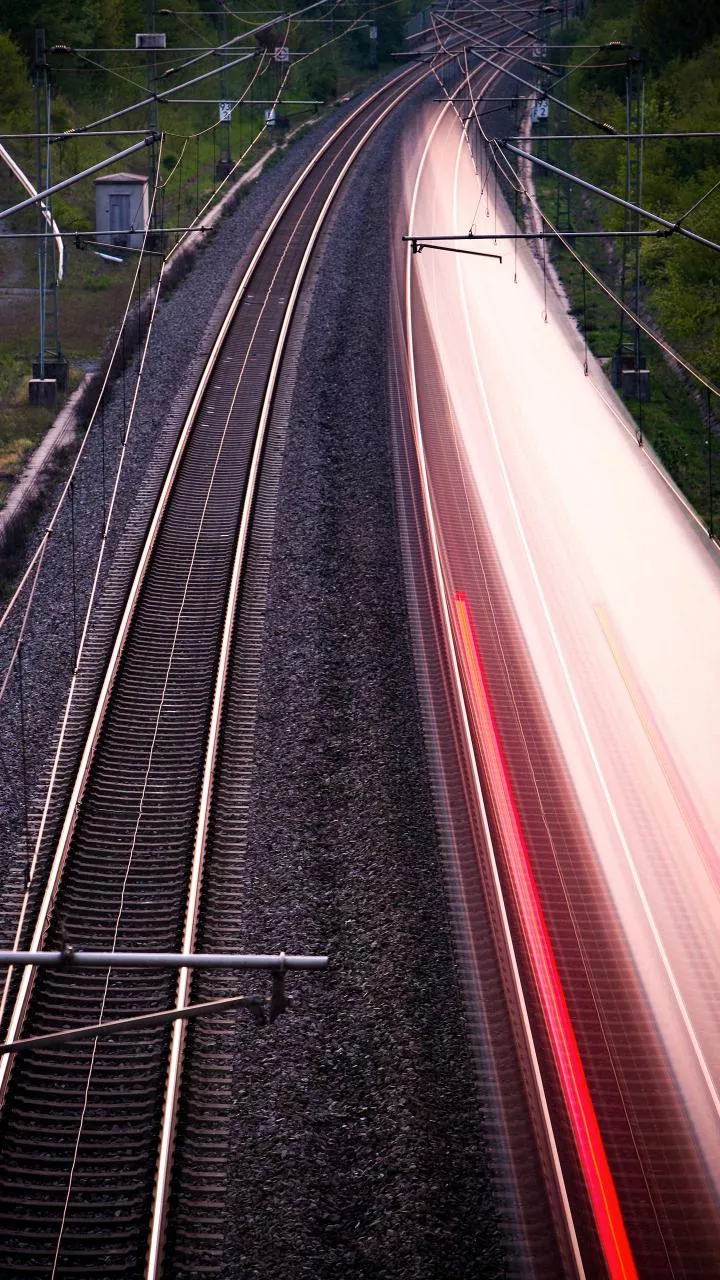
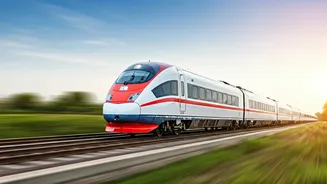
The recent announcement of the Mumbai-Pune high-speed rail corridor signals a significant shift in transportation dynamics between these two bustling cities.
The introduction of high-speed trains promises to drastically reduce travel times, which currently can extend for several hours depending on the mode of transport and traffic conditions. This new infrastructure aims to provide a reliable and efficient alternative, enhancing the daily lives of commuters. By minimizing travel time, the project enables individuals to maximize their productivity and enjoy more free time. Beyond commuters, the enhanced connectivity facilitated by the corridor is expected to boost the regional economy, fostering more opportunities for businesses and increasing overall economic activity. The high-speed rail corridor exemplifies a strategic investment in infrastructure, designed to streamline travel and advance economic growth in the region.
Infrastructure Enhancements Planned
The Mumbai-Pune high-speed rail project involves extensive infrastructure upgrades, encompassing the construction of dedicated expressways and high-speed rail lines. These improvements are crucial to support the operation of faster trains and accommodate the anticipated increase in passenger traffic. Specifically, the development of new expressways is designed to complement the rail network, offering multiple transportation options for people. These expressways will provide alternate routes for private vehicles, easing congestion on existing roads, especially during peak hours. Simultaneously, the establishment of high-speed rail lines signifies the integration of advanced railway technology, which will facilitate higher speeds and improved safety features. The strategic integration of both expressways and rail infrastructure underscores a commitment to enhance the overall transportation ecosystem. This comprehensive strategy ensures a more seamless and efficient movement of people and goods, reinforcing the area's economic competitiveness.
Impact on Commuters
The most visible benefit of the Mumbai-Pune high-speed rail corridor will undoubtedly be the positive impact it will have on commuters. Primarily, the project offers a substantial reduction in travel time, making it easier for people to travel between the two cities. Commuters can expect a consistent and dependable service, regardless of weather or road conditions. This improved efficiency is particularly beneficial for professionals and those who regularly travel for business or personal reasons. Moreover, the project promotes increased convenience and comfort. Modern high-speed trains typically feature comfortable seating, ample legroom, and amenities such as Wi-Fi, enhancing the overall travel experience. Ultimately, the high-speed rail corridor is intended to transform the commute from a time-consuming activity to a more enjoyable experience, thereby improving the quality of life for many commuters. This infrastructure improvement has a substantial impact on the mobility of people, facilitating easier access between Mumbai and Pune.
Economic and Regional Benefits
Beyond its immediate benefits for commuters, the Mumbai-Pune high-speed rail corridor holds considerable economic advantages for the region. The project is expected to boost economic activity by making it easier for businesses to operate and facilitating efficient movement of goods and services. A robust transportation network helps in trade and commerce. More efficient travel times also open avenues for increased tourism, which can have positive consequences on local economies by stimulating revenue for the hospitality and service industries. Moreover, the initiative promotes job creation during construction and operation phases, which supports employment and enhances the local economy. The high-speed rail corridor serves as a catalyst for overall regional development, promoting increased economic opportunities, and boosting prosperity by optimizing travel and transport between Mumbai and Pune.