




Expressway's Swift Arrival
The recently inaugurated Delhi-Dehradun Expressway has dramatically transformed travel accessibility for residents of Delhi, making the "Gateway of Uttarakhand,"
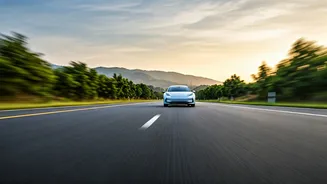
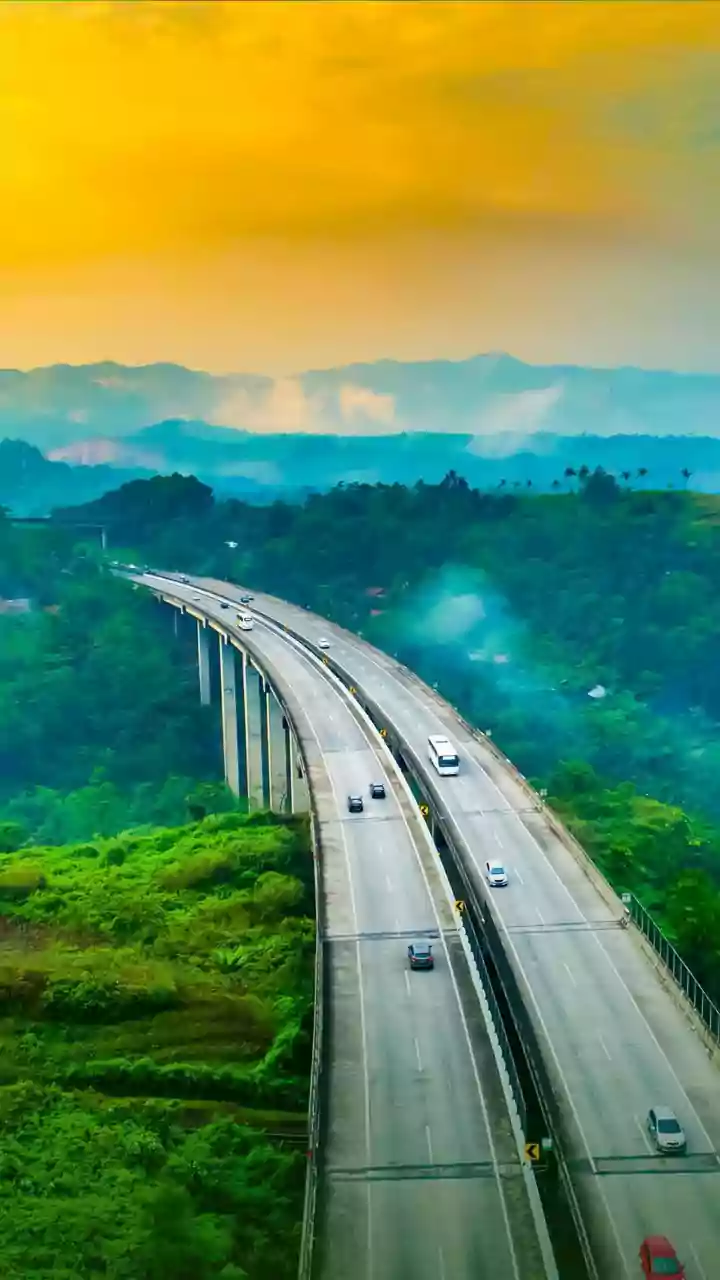
Dehradun, far more reachable than ever before. This impressive 210-kilometer, access-controlled corridor is designed to connect the nation's capital, Delhi, directly with Dehradun, the capital of Uttarakhand. The highway is a composite of several independent highway stretches, including National Highway 709B, National Highway 307, National Highway 344G, and the Eastern Peripheral Expressway, enhancing overall connectivity, notably extending to the Char Dham highway from Haridwar. Its design incorporates a 6-lane structure with provisions for future expansion to 8 lanes, featuring 16 entry and exit points to facilitate seamless integration with intermediate cities like Baghpat, Baraut, Shamli, and Saharanpur. Furthermore, the expressway incorporates advanced features such as multiple elevated sections to bypass local traffic and minimize environmental impact. A significant 14-kilometer wildlife corridor has been integrated through Rajaji National Park, with early indications of animals actively using this passage, and a 340-meter tunnel at the southern end of this corridor further ensures minimal disruption to wildlife.
Weekend Traffic Woes
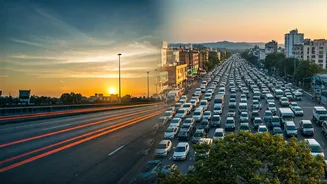
While the Delhi-Dehradun Expressway significantly slashes the travel time between the two cities to a mere 2.5 hours, this newfound ease of access has inadvertently created a substantial challenge within Dehradun city itself. The expressway has witnessed an overwhelming influx of tourists from Delhi, particularly over the weekends, leading to severe traffic congestion within the city limits. Social media platforms have been abuzz with users sharing their experiences, highlighting how the journey to Dehradun might be quick, but traversing the city upon arrival can now take as long as an additional two hours. This situation has prompted suggestions from the public, such as the need for a bypass route directly to Mussoorie to divert traffic away from Dehradun's core. Interestingly, some anecdotal evidence suggests a decline in tourist traffic to Rishikesh, as visitors are now opting for the direct route to Dehradun via the new expressway, indicating a shift in travel patterns caused by the improved connectivity.