
Solar Storms Unveiled
Solar storms are a fascinating interplay of energy and particles emanating from the sun. The NOAA (National Oceanic and Atmospheric Administration) issued
a G2 solar storm watch, which suggests an increased likelihood of auroras, sometimes called the Northern or Southern Lights, but also the potential for disruptions to satellite signals. These storms result from fluctuations in the sun's magnetic field, often associated with solar flares and coronal mass ejections (CMEs). During these events, the sun discharges enormous quantities of energy and charged particles into space, reaching Earth in a matter of hours or days. The impact of these particles with Earth's atmosphere leads to the stunning display of auroras, a phenomenon that can be witnessed in high-latitude regions. Simultaneously, these storms can interfere with technologies that we use daily. Communications, GPS systems, and power grids become vulnerable due to the increased radiation and magnetic disturbances, underscoring the necessity of understanding and preparing for space weather events.
The Aurora Borealis
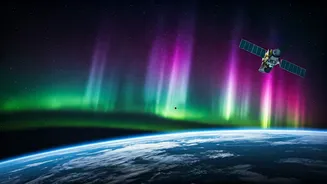
Auroras, a visual spectacle, are the result of interactions between charged particles from the sun and the Earth's atmosphere. When these charged particles, propelled by solar winds, collide with atmospheric gases like oxygen and nitrogen, they energize those gases, creating light. The color of the aurora depends on the type of gas involved and the altitude at which the interaction occurs. Oxygen produces green and red hues, while nitrogen results in blue and purple. The G2 storm watch enhances the chances of seeing auroras, especially at higher latitudes, making it an excellent opportunity to witness this natural wonder. To see these brilliant auroras, those in regions with clear skies and minimal light pollution should check the aurora forecast provided by NOAA. The vivid curtains of light, dancing across the night sky, make these occurrences a sight to behold. Therefore, if you reside in the appropriate region, you must keep an eye open for the aurora borealis, given the ongoing G2 storm watch.
Satellite System Risks
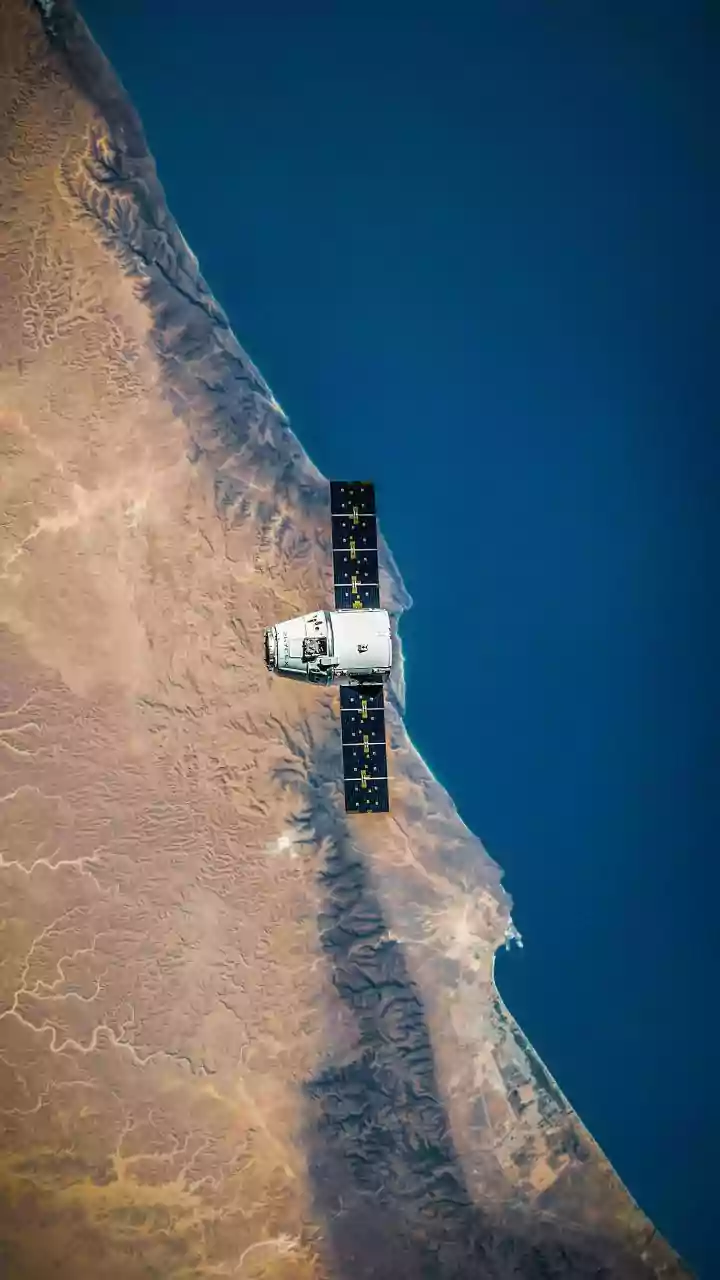
While the auroras offer an alluring visual display, the G2 solar storm carries potential hazards for technological systems. Satellites orbiting Earth are particularly at risk, as they are exposed to the intensified radiation. This radiation can cause damage to sensitive electronic components, leading to operational disruptions and service outages. Communications satellites, essential for television, internet, and phone services, could experience signal interference or loss. Additionally, the navigation systems, such as GPS, are vulnerable, which affects everything from air travel to mobile navigation. Power grids are also at risk. The geomagnetic disturbances from solar storms can induce electric currents in power lines, potentially causing blackouts. Because of these risks, agencies, like NOAA, closely monitor space weather and provide warnings to give operators time to mitigate potential damage. These proactive measures include adjusting satellite operations, preparing power grids, and issuing public advisories to minimize the impact of solar storm events on daily life and important services.
Preparedness Measures
Understanding and preparedness are important to manage the impact of solar storms. NOAA's Space Weather Prediction Center provides forecasts and alerts that help people stay informed. These alerts give satellite operators and grid managers advance warning to take protective measures. Satellite operators may temporarily turn off some instruments or adjust their orientation to reduce exposure. Power companies can prepare for potential grid disturbances by implementing protective measures such as the use of surge protectors and backup systems. Individual users can also take steps to prepare for possible disruptions. Having backup communication options, such as radios or satellite phones, can be beneficial in cases where regular services are disrupted. Having an awareness of space weather forecasts and being ready for any potential disruptions can help one navigate through solar storm occurrences. The combined efforts of weather agencies, service providers, and informed citizens will increase resilience against these events.