







Coolant System Vigilance
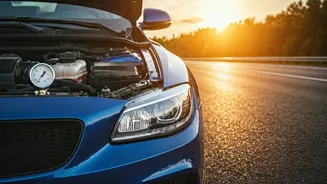
During scorching summer months, your car's engine works extra hard to stay cool, making the coolant system a critical area for attention. It's imperative
to consistently check that the coolant level is maintained within the recommended range and that the coolant itself is in good condition. Insufficient or degraded coolant can quickly lead to the engine overheating, a potentially severe issue that can cause significant damage. Beyond just the fluid, take the time to inspect all hoses and the radiator for any signs of leaks, as even small drips can compromise the system's efficiency. Proactive monitoring of your coolant can prevent the extreme stress that high temperatures place on your engine, averting costly repairs down the line.
Tyre Pressure Precision
The rising temperatures of summer have a direct impact on the air within your car's tyres. As the heat intensifies, the air inside expands, leading to increased pressure. This expansion raises the risk of overinflation, which can compromise tyre integrity and, in worst-case scenarios, lead to dangerous blowouts. It is therefore crucial to check your tyre pressure more frequently than you might during cooler seasons. Always adhere to the manufacturer's specified pressure levels, typically found in your car's manual or on a sticker inside the driver's side doorjamb. Additionally, a thorough visual inspection of your tyres for any visible cracks, cuts, or excessive wear is essential, as the heat can accelerate the degradation of the rubber compound, making them more susceptible to damage.
Battery Health Check
Much like extreme cold, intense heat poses a significant threat to your car's battery. High temperatures can cause the internal fluids within the battery to evaporate more rapidly, a process that can substantially shorten its overall lifespan and reduce its efficiency. To mitigate these risks, ensure that the battery terminals are kept clean and free from corrosion, as a clean connection is vital for optimal performance. Furthermore, if your car battery is approaching or has exceeded the 2- to 3-year mark, it is highly recommended to have it professionally tested. This simple check can help identify any underlying issues or a decline in its capacity, preventing the inconvenience and potential safety hazards of a sudden battery failure.
Interior Sun Defense
The relentless summer sun can wreak havoc on your car's interior, leading to a host of aesthetic and functional problems. Prolonged exposure to direct sunlight can cause upholstery to fade, dashboard materials to crack, and the cabin itself to become excessively hot, making it uncomfortable to enter. To combat these effects, implement simple protective measures. Employing sunshades on your windshield and windows is an effective way to block direct UV rays. Whenever possible, choose to park your vehicle in shaded areas, such as under trees or in covered parking lots. Investing in fabric or UV-protective seat covers can also shield your seats from damage and help maintain a more pleasant cabin temperature when you return to your car.
AC System Efficiency
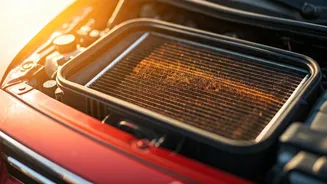
For a comfortable driving experience during the hot summer months, a properly functioning air conditioning system is indispensable. If you start noticing a decline in cooling performance, strange or unpleasant odours emanating from the vents, or a weak, inconsistent airflow, it’s a clear signal that your AC system needs attention. Common issues can often be resolved with simple maintenance. This includes cleaning or replacing the cabin air filter, which can become clogged with dust and debris, impeding airflow. Ensuring that the refrigerant levels are adequate and that there are no leaks within the system will also dramatically improve its cooling capacity and overall efficiency, ensuring you stay cool on the road.