






Current State of Affairs
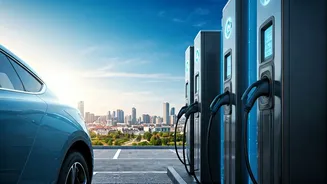
India's electric vehicle sector has seen notable expansion, with more and more EVs appearing on the roads. A major hurdle for this growth, however, is the availability
of charging stations. Despite backing from the government, the roll-out has been slower than expected. This situation has led to delays in the widespread acceptance of EVs, affecting consumer confidence and the overall growth of the market. The availability of charging points is a key determinant for people looking to switch to EVs. Many potential buyers are hesitant because they worry about range and the availability of places to recharge their vehicles. The slow expansion of charging networks thus affects the entire market and slows down the shift to EVs. Boosting the number of charging stations is essential to ensure a smooth transition and boost EV adoption rates across the country.
Government Initiatives Overview
The Indian government has introduced several schemes and policies to promote electric vehicles and boost the development of charging infrastructure. These policies offer financial incentives, such as subsidies and tax benefits, to encourage the purchase of EVs and the establishment of charging stations. Several initiatives aim to accelerate the installation of charging points across cities and highways. These strategies create a supportive environment for both manufacturers and consumers. The government recognizes the importance of electric mobility in reducing pollution and enhancing energy security. By promoting EVs and the necessary infrastructure, the country can move towards a cleaner and more sustainable transportation system. These concerted efforts are focused on driving down the cost of ownership, improving the technology, and making EVs accessible to a larger population.
Overcoming Obstacles
Despite government support, the progress of EV charging infrastructure faces many hurdles. Land acquisition, regulatory approvals, and financial viability challenges slow down the implementation of new charging stations. Securing suitable land for these stations is complex, especially in crowded urban areas. The approval processes can be time-consuming and difficult. Furthermore, ensuring financial sustainability for charging station operators remains a significant challenge, requiring innovative business models and strategic investments. These obstacles require focused attention and strategic solutions. Streamlining regulations, accelerating land approvals, and offering attractive financial incentives can help improve the expansion of charging infrastructure. Encouraging public-private partnerships can also play a vital role. By removing obstacles and promoting collaboration, India can foster faster and more reliable charging networks, thereby supporting EV adoption across the nation.
Future Outlook and Prospects
The future of EV charging infrastructure in India appears bright, with significant scope for advancement. As technology improves and more investments are made, charging networks are set to become more efficient, convenient, and widespread. With continuous innovation, charging times will reduce, and charging stations will integrate more advanced technologies, providing seamless user experiences. Furthermore, the convergence of renewable energy sources and EV charging can create more sustainable energy ecosystems, reducing the environmental footprint. Government support, private investment, and technological advancements will drive this growth. This progress could accelerate the adoption of EVs and lead to cleaner transportation systems. As India pursues its goals for clean energy, expanding the charging infrastructure becomes increasingly vital. This will support the EV revolution and make the transportation sector more sustainable and eco-friendly.