






Document Deep Dive
Before handing over any cash, a thorough examination of the vehicle's paperwork is paramount. You'll need to scrutinize the Registration Certificate (RC)
to confirm the owner's details match the seller and that there are no discrepancies. Equally important are the insurance policy documents, the latest pollution under control (PUC) certificate, and any available service history. A quick check for any outstanding loans or legal encumbrances on the vehicle is also a non-negotiable step. Ensuring all these documents are in order and legitimate will save you from significant legal and financial complications down the line, protecting your investment and peace of mind.
Physical Condition Assessment
Beyond the initial appeal, a meticulous physical inspection of the car's exterior and interior is vital. Start by walking around the vehicle, looking for signs of rust, particularly around wheel arches, door sills, and the undercarriage. Examine the paintwork for any inconsistencies, overspray, or uneven panel gaps, which could indicate previous accident repairs. Check the condition of all tyres for wear and tear, ensuring they are evenly worn. Inside, inspect the upholstery for damage, test all electronic features like lights, wipers, and infotainment systems, and ensure everything functions as it should. A careful look at the body panels can reveal a lot about the car's past.
Service & Maintenance Record
Understanding a car's maintenance history provides invaluable insight into its past care. Requesting complete service records from the seller is a critical step in assessing how well the vehicle has been looked after. Regular servicing at authorized service centers or reputable garages suggests a history of responsible ownership and prompt attention to necessary repairs. A well-maintained car is generally more reliable and less prone to unexpected breakdowns. This documentation can reveal if major components have been replaced or if there have been recurring issues that might require attention soon after purchase.
Engine & Performance Check
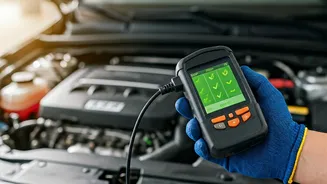
The heart of any car is its engine, and its health is crucial. When you start the engine, listen intently for any unusual noises such as knocking, rattling, or whining. Observe the exhaust for excessive smoke – blue smoke can indicate oil burning, while white smoke might point to coolant issues. Check for any visible oil leaks under the car or around the engine bay. A smooth and steady idle, without excessive vibrations, is a good sign of a healthy engine. Any anomalies during this initial check should prompt further investigation or raise a red flag about the vehicle's condition.
The Crucial Test Drive
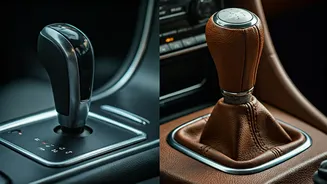
A test drive is your opportunity to feel how the car truly performs on the road. It's not just about cruising; drive it on various surfaces and at different speeds to assess its handling and responsiveness. Pay close attention to the braking system – do the brakes feel firm and effective, or is there any sponginess or pulling to one side? Test the steering; it should be precise and not feel loose or overly stiff. Evaluate the clutch and gear shifts for smoothness and ease of operation. Listen for any abnormal sounds from the suspension, engine, or transmission during acceleration, braking, and cornering. This hands-on experience is indispensable.