

A Park That Floats
Imagine a national park that doesn't sit on solid ground but drifts gently with the water. This is the reality at Keibul Lamjao National Park, situated
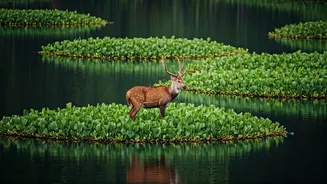
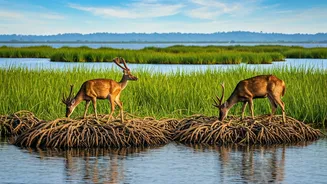
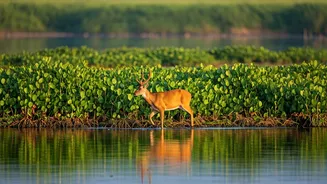
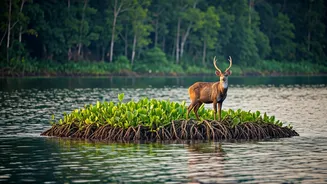
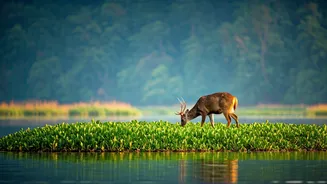
in the picturesque state of Manipur, Northeast India. Covering an impressive 40 square kilometers, it's an integral part of Loktak Lake, the region's largest freshwater body. What makes this park truly singular is its foundation: it's built entirely upon 'phumdis,' dense, buoyant mats formed from accumulated vegetation. These natural rafts are not static; they shift and change with the ebb and flow of the seasons, creating a dynamic and ever-evolving landscape. Visitors often describe the sensation of standing on these phumdis as a subtle sway, a gentle undulation that connects them intimately with the lake's pulse. The atmosphere is often serene, punctuated only by the calls of diverse birdlife and the rustling of reeds, making it an extraordinary natural sanctuary.
Encounter the Sangai
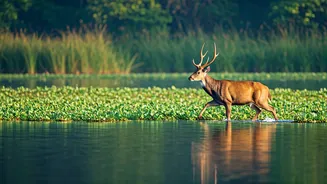
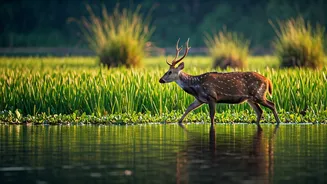
The undisputed jewel of Keibul Lamjao is the rare and enchanting Sangai, also known as the "dancing deer." This critically endangered species is endemic to Manipur and can only be found in this floating haven. Observing the Sangai in its natural habitat is a truly magical experience. Its slender build and delicate hooves allow it to move with remarkable grace across the undulating phumdis, appearing to dance with each step. Each sighting is a precious moment, as the Sangai's population is small, making these encounters feel exceptionally significant. The deer's unique ability to navigate this ephemeral environment highlights the park's extraordinary biodiversity and the delicate balance of its ecosystem. Conservation efforts are paramount here to ensure the survival of this magnificent creature.
Wildlife and Lake Life
While the Sangai is the main draw, Keibul Lamjao teems with other fascinating wildlife and captivating lake life. The park is a haven for over 100 different species of birds, providing endless opportunities for birdwatchers and nature enthusiasts. From vibrant kingfishers to majestic eagles, the skies and wetlands are alive with avian activity. Beyond the birdlife, the lake itself supports a rich ecosystem, with various fish species and aquatic plants contributing to the park's biodiversity. The surrounding lush vegetation and the serene waters create a habitat that sustains a wide array of flora and fauna. Even if the elusive Sangai remains hidden, the constant presence of other creatures and the sheer beauty of the wetland environment ensure a continuously engaging experience for all visitors.
Planning Your Visit
To best experience the ethereal beauty of Keibul Lamjao, planning your visit strategically is key. Early morning is often the most rewarding time, as the morning mist begins to dissipate, revealing the landscape and increasing the likelihood of spotting wildlife. Engaging a local guide is highly recommended; they possess invaluable knowledge about the phumdis, understanding which areas offer stable footing and which might be more submerged, ensuring your safety and enhancing your exploration. Accommodations are not available within the park itself; visitors typically stay in nearby areas around Loktak Lake. The local cuisine, deeply intertwined with the flavors of the land and lake, offers a delightful culinary journey that complements the overall natural experience. The ideal period to visit is between November and March, characterized by clear skies, calm waters, and heightened wildlife activity. It is advisable to avoid the monsoon season due to potentially unpredictable water levels and accessibility challenges.