


A Culinary Welcome
The evening commenced with an appetizer named 'Varnila,' designed to awaken the senses with a vibrant explosion of tastes and textures, reminiscent of cherished
Old Delhi street food. This innovative starter featured delicate crisps made from baby spinach, complemented by spheres of creamy yogurt. The flavor profile was expertly balanced with the sweet and tangy notes of tamarind-date chutney and a refreshing cilantro relish. A dusting of authentic Old Delhi masala added a characteristic savory depth, all presented atop a crisp made from Jowar, also known as Sorghum, a resilient ancient grain. This dish, totaling 213 kcal per 100g, set a sophisticated tone for the meal to follow, highlighting the event's theme of blending development with heritage.
Flavors of the Himalayas
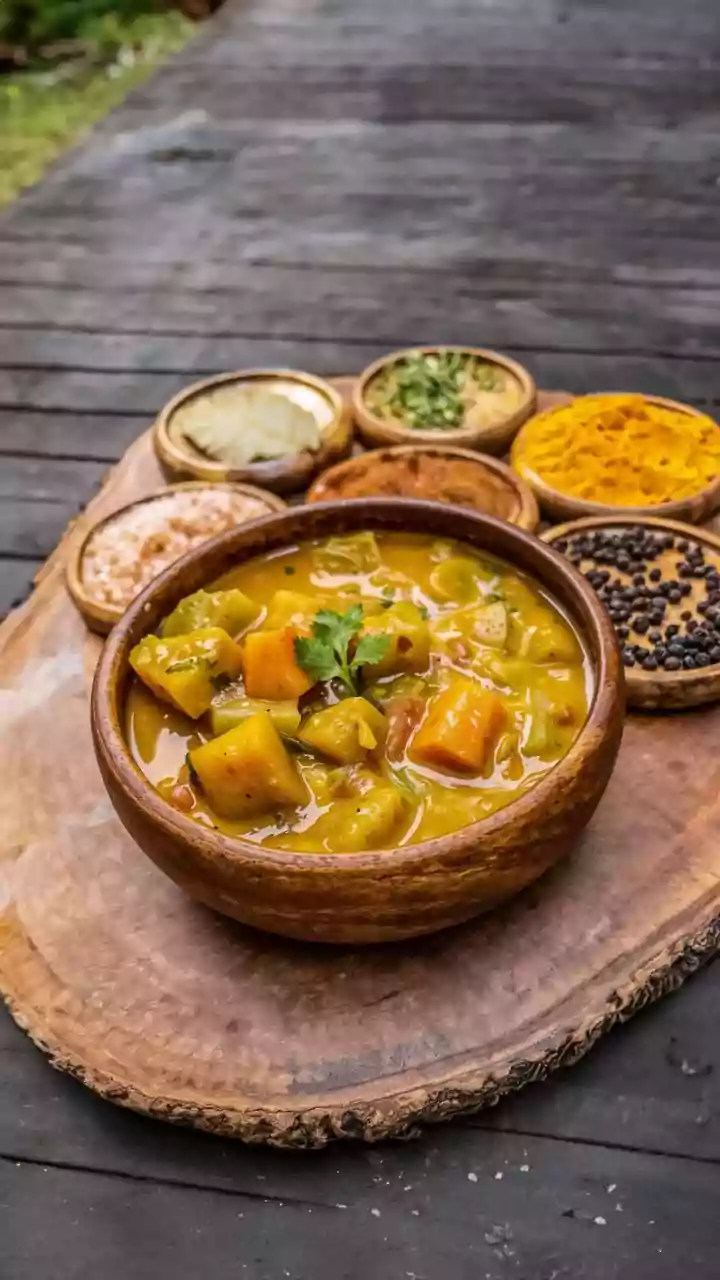
The main course, aptly named 'Sasya' meaning 'The Harvest,' transported diners to the picturesque Kumaon region of Uttarakhand, celebrating its distinctive 'Pahadi' (mountain) culinary traditions. A star of this course was the GI-tagged Munsyari Rajma, a special variety of kidney beans originating from Uttarakhand, celebrated for its exceptionally smooth, creamy texture and a subtle nutty flavor. Accompanying this were grains of fragrant rice and Jhangora, a type of Barnyard Millet, prepared as a delightful pulao. The dish was further enhanced by Kumaoni Aloo Gutke, tender chunks of potato seasoned with Jakhya, a traditional Himalayan spice, served alongside a velvety smooth sauce infused with tomato and pomegranate. This hearty and flavorful main course contained 331 kcal per 100g, deeply rooted in the region's agricultural bounty.
Artisanal Breads Showcase
Complementing the main course was a thoughtfully curated selection of artisanal breads, each representing a distinct and revered baking tradition from across India. From Uttar Pradesh, guests were offered Taftaan, a beautifully leavened flatbread delicately infused with saffron, known for its airy, almost flaky, texture. Adding to the regional diversity, Kashmiri Girda was presented – a classic round bread characterized by its unique dimpled surface, baked fresh to embody the authentic spirit of the Kashmir Valley. These breads provided a flavorful and textural counterpoint to the rich main dishes, showcasing the breadth of Indian culinary heritage through its staple accompaniments.
A Fusion of Desserts
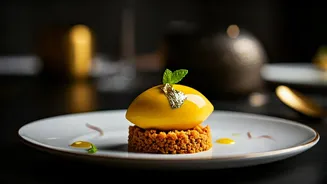
The culinary journey concluded with 'Nisarga,' meaning 'Nature’s Creation,' a dessert course that masterfully married traditional Indian sweet-making techniques with contemporary global pastry innovations. The centerpiece was a remarkable Rasmalai Tres Leches, featuring a delicate chena cake sponge, a form of Indian cottage cheese, expertly soaked in a luscious sweetened milk mixture. This creation was served atop a bed of Bajra, or Pearl Millet, streusel, offering a delightful crunch, and accompanied by a seasonal winter berry preserve, adding a touch of tartness. The beverage selection included traditional Kashmiri Kahwa, rich South Indian Filter Coffee, and aromatic Darjeeling Tea. The evening was rounded off with an exquisite Indian Rose and Mishri Gulkand Chocolate Leaf, a delightful interpretation of the traditional paan, providing a sweet and aromatic conclusion.
Strategic Millets Message
The thoughtful inclusion of various millets like Jowar, Jhangora, and Bajra throughout the menu was a deliberate strategic choice, directly supporting India's ongoing 'Millet Mission.' This emphasis powerfully communicated to the gathered global leaders that sustainable and climate-resilient agricultural practices are not merely an agricultural priority but are intrinsically linked to the nation's ambitious plans for AI-driven food security. By showcasing these ancient grains in a sophisticated, modern context, the dinner served as a tangible demonstration of India's commitment to leveraging technology and heritage for a secure and sustainable future, resonating deeply with the summit's core themes.