




Solar Maximum's Impact
The year 2026 is projected to coincide with the solar maximum, a period characterized by heightened activity on the sun. This activity includes an increased
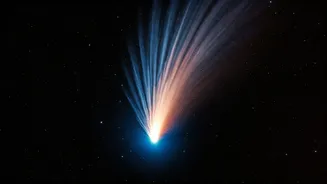
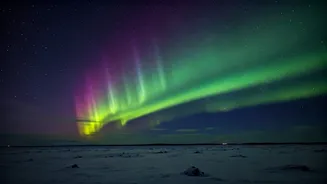
frequency of solar flares and coronal mass ejections (CMEs). These events release massive amounts of energy and charged particles into space. When these particles interact with the Earth's magnetic field, they cause geomagnetic storms. These storms are the driving force behind auroras, creating the stunning light displays that we know as the Northern Lights and, in the southern hemisphere, the Southern Lights. The more intense the solar activity, the more spectacular and frequent the auroral displays are likely to be.
Geomagnetic Storms Unveiled
Geomagnetic storms, triggered by the sun's increased activity, are a key element in predicting the visual spectacle of the auroras. When CMEs reach Earth, they interact with our planet's magnetic field, causing it to compress and release energy. This interaction energizes the upper atmosphere, causing the atmospheric gases, such as oxygen and nitrogen, to glow. The color of the aurora depends on the type of gas being excited and the altitude at which it's excited. Green is the most common color, produced by oxygen, while red is often seen at higher altitudes. Blue and purple hues are associated with nitrogen. The strength of these storms, often measured on the G-scale, directly influences the visibility and intensity of the auroras.
Predicting Auroral Displays
Forecasting auroral displays relies on monitoring solar activity and predicting the arrival of CMEs. Space weather agencies, like NOAA, continuously observe the sun and issue alerts about potential geomagnetic storms. These alerts provide information about the expected intensity of the storms, helping observers to know where and when to look for the lights. Forecasting models take into account various factors, including the speed and density of the solar wind, the direction of the interplanetary magnetic field, and the Earth's magnetic field configuration. By analyzing these factors, scientists can predict not only the likelihood of auroras but also their potential intensity and geographical reach. Increased solar activity during 2026 increases the chances for stunning displays.
Viewing the Spectacle
Witnessing the Northern Lights is an unforgettable experience, and the increased solar activity in 2026 promises more opportunities to see them. Optimal viewing conditions require clear, dark skies, away from light pollution. Locations at higher latitudes, near the Arctic Circle, are ideally suited to observe auroras. However, during strong geomagnetic storms, the auroras can be seen at lower latitudes. Checking aurora forecasts and alerts is crucial to plan your viewing trip. The forecasts give you the estimated intensity and the most probable locations for the aurora to be seen. Also, it's a good idea to bring a camera with a long exposure setting, as this will help capture the full beauty and color of the lights.
Potential Disruptions
While the increased solar activity brings the promise of amazing auroras, it also carries the potential for disruptions. Geomagnetic storms can impact technology on Earth, including power grids, communication systems, and satellite operations. Strong storms can induce currents in power lines, which can overload electrical systems and cause blackouts. Radio communications may be disrupted, and satellite navigation systems, such as GPS, can be less accurate. Space weather agencies are constantly monitoring these potential risks, issuing warnings when necessary, and the goal is to mitigate any impacts.