
Ancient Origins of Clowns
The origins of clowns and their signature red noses can be traced back to ancient times. In ancient Greece and Rome, jesters and comedic performers were
common, often characterized by exaggerated features and behaviors. While their appearance varied, the emphasis was on physical comedy and mockery, essential elements of clowning. These early entertainers paved the way for the modern clown, with their performances influencing the development of comedic tropes that persist to this day. Although the specific use of a red nose is not recorded during these eras, the foundational principles of clowning were established, setting the stage for the evolution of the clown's iconic image.
The Rise of Circus Clowns
As circuses emerged, clowns became a staple, taking center stage with comedic routines. The circus environment, with its large audience and need for visual humor, was the perfect venue for clowns. Their performance style evolved, integrating physical comedy, slapstick, and interactions with animals and other performers. These clowns, with their outlandish makeup and costumes, captured the attention of audiences. The red nose, a simple yet effective tool for emphasizing the clown's facial expressions and making them easily identifiable, likely gained prominence during this period. It enhanced the comedic effect, making the performer more visible and memorable in the bustling circus setting.
The Symbolism of Red
The color red possesses a rich symbolism, which contributes significantly to the impact of the clown's nose. Red is a bold, attention-grabbing color that immediately draws the eye, making the clown's features more striking. In Western cultures, red is often associated with energy, vitality, and even danger. When applied to the nose, it transforms a natural facial feature into something exaggerated and comedic. It is a visual cue signifying that this individual is not meant to be taken seriously, preparing the audience for laughter and amusement. Furthermore, the redness can represent a sort of 'foolishness' or 'embarrassment,' traits inherent to the character of a clown.
Evolution of the Red Nose
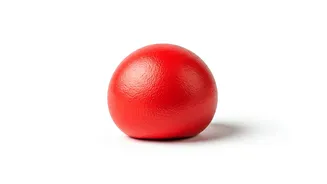
The red nose's specific shape and material have evolved over time, but its function has remained consistent. Early red noses may have been rudimentary, crafted from painted wood or fabric. As clowning became more sophisticated, so did the design of the nose. Modern clown noses are typically made from lightweight, durable materials like foam rubber, plastic, or even specialized paints. The shape, ranging from a simple circle to more elaborate designs, may vary depending on the clown's style and the specific performance. This continued evolution ensures the clown's identity is clearly projected, helping to create a recognizable and memorable character for each performer.
The Red Nose in Comedy
The red nose plays an essential role in comedy. It’s a tool for physical comedy, allowing the clown to exaggerate facial expressions. The exaggerated appearance of the red nose is inherently funny, and the contrast with the clown's other features magnifies its comedic effect. The red nose helps to establish the clown's persona and provides an easy visual cue that the performer is about to deliver a joke or act. It immediately signals the beginning of humor, making the audience prepared to enjoy physical comedy or humorous skits. From a comedic perspective, the red nose can be a prop used for visual gags or a simple symbol that evokes laughter.
Beyond the Circus Ring
The red nose transcends its origins as a circus prop, finding its way into various contexts. It has become a symbol of joy and lightheartedness. It is adopted during celebrations, festivals, and charity events. Clowns use the red nose to bring smiles to children in hospitals, offering them momentary respite from their pain. The red nose has even made its way into popular culture, appearing in movies, cartoons, and other forms of media. These examples showcase the broad appeal of the red nose and its role as a signifier of fun and playfulness.