
Solar Maximum Explained
The sun's activity isn't constant; it fluctuates in cycles, with a peak period called the solar maximum. During this phase, the sun experiences a surge
in solar flares and coronal mass ejections (CMEs). These events release vast amounts of energy and charged particles into space. The Earth's atmosphere interacts with these particles, leading to auroras. These displays are typically observed closer to the polar regions. While visually spectacular, these solar events can also interfere with technology. The solar maximum is a crucial aspect of the sun's natural cycles and is central to predicting the frequency and intensity of auroral displays.
Auroras: A Celestial Show
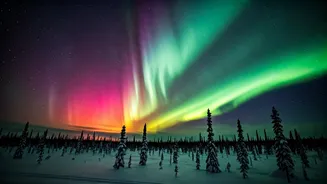
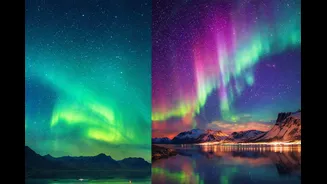
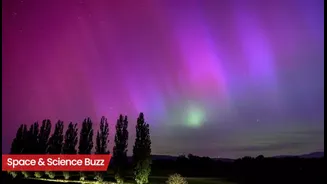
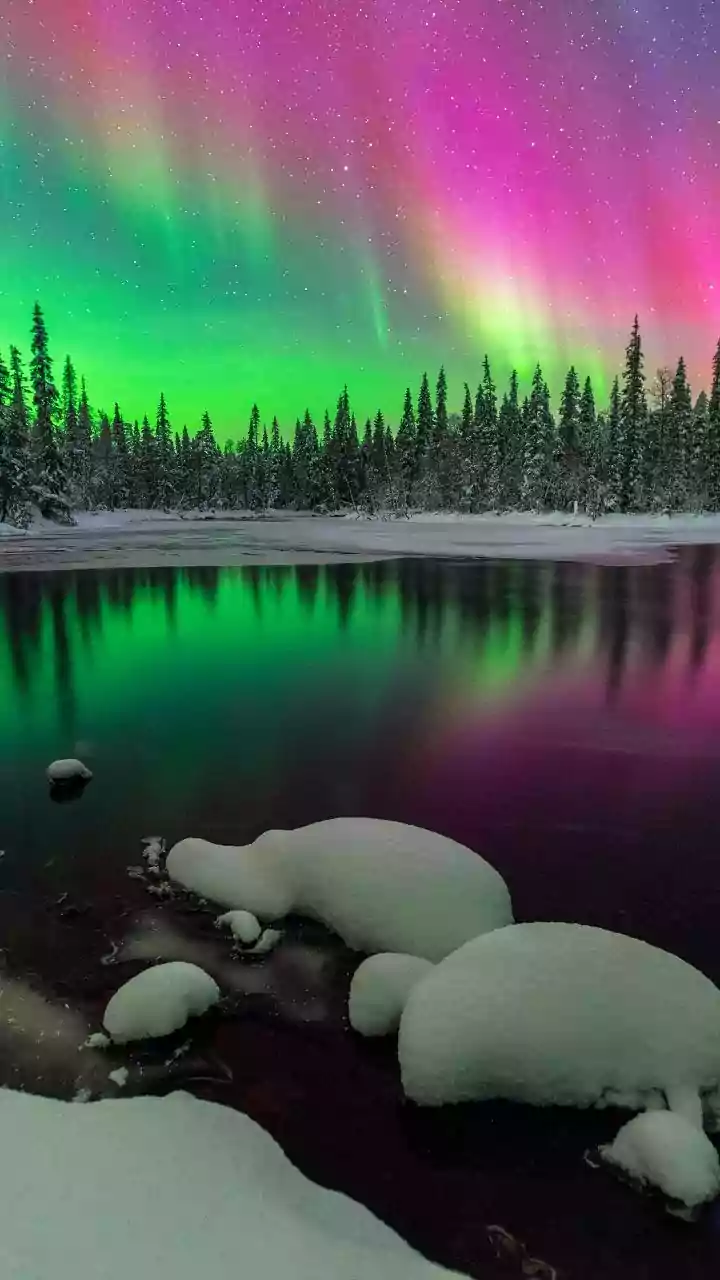
Auroras, often called the Northern Lights or Southern Lights, are stunning light displays in the sky, primarily visible at high latitudes. They are created when charged particles from the sun interact with the Earth's magnetic field and atmosphere. These particles, propelled by solar events, collide with atmospheric gases such as oxygen and nitrogen. This collision causes these gases to glow, producing vibrant colors. The most common colors are green and red, although blue, purple, and yellow can also be seen. The intensity of an aurora is directly correlated with the strength of the solar event. A stronger solar event means a more dazzling aurora. Understanding auroras involves studying the sun's behavior, the Earth's magnetic field, and atmospheric interactions.
2026: Aurora Predictions
Experts anticipate that 2026 will bring exceptional auroral displays. This prediction stems from the timing of the solar maximum, which influences the frequency and intensity of solar storms. The years immediately following the solar maximum are known for heightened solar activity. This means there is an increase in the number of CMEs and solar flares, leading to more frequent and intense auroras. The forecast suggests that those living in regions close to the poles should anticipate more frequent sightings. The interplay of the sun's activity with Earth's atmosphere is expected to create more memorable auroral displays. The post-solar maximum phase is thus an excellent time for aurora enthusiasts.
Impacts of Solar Storms
While auroras offer a breathtaking spectacle, solar storms can also have adverse effects. These storms have the potential to disrupt satellite communications, GPS navigation, and even power grids. The charged particles released by the sun can interfere with the electronic components of satellites, leading to signal loss or damage. Similarly, fluctuations in the Earth's magnetic field can induce currents in power grids, potentially causing blackouts. Therefore, it is essential to monitor solar activity to mitigate these potential risks. Scientists and space agencies constantly track solar events to forecast the impacts of these storms and issue alerts when necessary. Understanding the implications of solar events is crucial for maintaining technological infrastructure.
Best Viewing Spots
If you're planning to witness the Northern Lights in 2026, consider the best locations for optimal viewing. Countries like Canada, Alaska, Norway, Iceland, and Finland are excellent choices. These regions are located near the auroral oval, where auroras are most frequent. The timing of viewing is crucial. The peak aurora activity usually occurs during the nighttime hours, from late evening through early morning. To improve your chances of spotting the lights, get away from light pollution. Find a dark location with an unobstructed view of the northern horizon. The presence of clear skies is also vital, so check the local weather forecasts. Preparation is key to ensuring you have the best opportunity to experience the magnificence of the auroras.