
SUV Segment Showdown
The midsize SUV segment is poised for a significant transformation in 2026. This is due to the anticipated arrival of multiple new models, including the Renault
Duster and the Tata Sierra. These vehicles will directly challenge established contenders like the Hyundai Creta and the Kia Seltos, intensifying the rivalry. The Duster's entry, particularly, is expected to create ripples, potentially making 2026 a challenging year for the Creta. Furthermore, with the confirmed launch of the Volkswagen Tayron R-Line by March 2026 as a locally assembled model and the Skoda Kushaq facelift also on the horizon, the competition will be even fiercer. These developments point towards a dynamic and competitive market environment, where consumers can look forward to a diverse range of choices.
EV Market Expansion
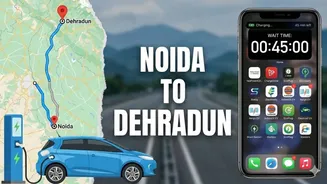
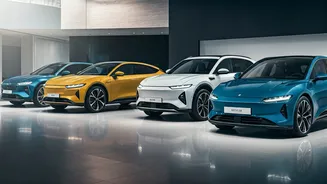
The electric vehicle market in India is expected to see a boost with the introduction of new models, further expanding the choices available to consumers. With an ever-growing interest in electric vehicles, manufacturers are making moves. The availability of top 10 premium EVs, that claim the highest range in India, is bound to entice customers. Additionally, this creates opportunities for existing players to launch new variants. This will accelerate the adoption of EVs and intensify competition. The expansion of charging infrastructure and government incentives are also likely to drive growth in this segment. The increasing variety of options, combined with improved infrastructure, is expected to encourage more consumers to consider EVs, thus changing the Indian automotive market.
Premium Bike Challenges
The premium motorcycle segment is likely to experience considerable changes in 2026. With new models like the KTM 390 Adventure R, Royal Enfield Continental GT 750, and updated Triumph Tiger 1200, the market is set to become very competitive. The arrival of these models would challenge the existing players, as consumers are offered a wider selection. Changing trends, along with a preference for mid-sized motorcycles, would create further challenges for premium bikes. These circumstances suggest that the market dynamics are constantly evolving and manufacturers will need to adapt their strategies to thrive in the competitive landscape.
Volkswagen's 2026 Strategy
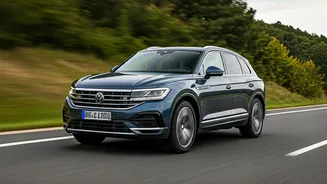
Volkswagen has confirmed its commitment to the Indian market, announcing five launches for 2026. The India-spec Volkswagen Tayron R-Line, set to launch by March 2026 as a locally assembled model, indicates a strategic focus on expanding its SUV offerings. With the addition of the Tiguan, Virtus, and Taigun, which are currently available with discounts, the company aims to broaden its appeal to a wider range of customers. These moves are a part of Volkswagen's broader plan to solidify its presence in the Indian market. The company is poised to make a significant impact with its expanded portfolio and its emphasis on locally assembled vehicles. This strategy aims to enhance its competitiveness and cater to the changing needs and preferences of Indian consumers.
Midsize Sedan Developments
The year 2026 could see a resurgence in the midsize sedan market. This sector is expected to attract renewed attention from both manufacturers and consumers. With several new models expected to be released, competition in this space would become intense. This could be due to factors like changing consumer preferences, new features and technologies, and competitive pricing strategies adopted by manufacturers. As new entrants and existing players vie for a greater market share, the midsize sedan segment might become more dynamic. This shift could provide consumers with a broader range of options, thus driving innovation and offering greater value.
Other Market Influences
Several external factors are expected to influence the automotive market in 2026. The potential implications of the India-EU FTA on luxury car prices are a topic of interest, along with government policies that may affect the industry. The impact of the Bharat NCAP testing program on the safety standards and consumer choices is also a key consideration. The 2026 Modern Classic Car Rally, scheduled for January 31, further indicates a continued interest in the history of vehicles. These factors, taken together, will shape the overall market environment, influencing consumer behavior and the strategies of automakers. This confluence of internal and external factors will contribute to the ongoing evolution of the Indian automotive sector.