




Accelerated Travel Times
A monumental infrastructure project, the proposed greenfield expressway connecting Pune and Bengaluru, is on the cusp of final approval. This ambitious
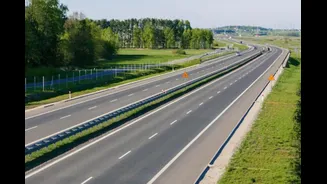
highway has been recognized nationally, appearing on a list of 25 crucial greenfield highways across India, highlighting its strategic importance. The central government is in the final review stages, with a decision anticipated within the next month. Upon receiving the go-ahead, the immediate next steps involve land acquisition, followed by the commencement of construction. A detailed project report has already been submitted for this crucial review. Currently, navigating the Pune-Bengaluru route via National Highway 48 is a lengthy ordeal, often taking 14 to 15 hours due to considerable traffic congestion, encroachments, narrow road sections, and a high incidence of accidents. The new expressway aims to revolutionize this connectivity, promising a drastically reduced travel duration of approximately seven hours, thus offering a much swifter and more efficient transit option for travelers and goods alike.
Connecting Two States
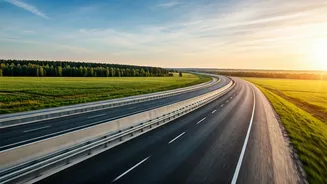
This significant new highway is poised to dramatically enhance the links between Maharashtra and Karnataka. The planned route will traverse through important districts within Maharashtra, including Satara and Sangli. Following this, it will enter Karnataka via Belagavi, extending its reach across Bagalkot, Gadag, Vijayanagar, Davanagere, Chitradurga, and Tumkur, ultimately culminating its journey in Bengaluru. Further enhancing regional connectivity, a proposed ring road at Kanjale-Khopegaon is slated for integration with the expressway. This entire initiative is expected to be a major catalyst for the Mumbai-Pune-Bengaluru industrial corridor, facilitating smoother logistics for goods and strengthening the trade networks between these vital economic centers. As part of the broader Bharatmala Project, this greenfield expressway will cover an extensive distance of approximately 700 kilometers and is designed as a six-lane highway, with provisions for expansion to eight lanes on certain segments.
Village Routes and Impact
The construction of the new expressway will impact several villages, particularly in the Sangli district of Maharashtra, spanning multiple talukas. In Khanapur taluka, specific areas like Mahuli, Valkhad, Vaijegaon, Bhendwade, Salshinge, Jondhalkhindi, Madhalmuthi, Vasumbe, Renavi, Revanagaon, Ghoti Budruk, Ghoti Khurd, Shirgaon, Hatnoli, Bastawade, Sawalaj, Vajrachaunde, Manerajuri, and Gavan are on the proposed alignment. Moving to Tasgaon taluka, the route will encompass Kacharewadi, Narsewadi, Kindarwadi, Vijaynagar, Ped, Morale, and Manjarde. In Kavathe Mahankal taluka, the highway is set to pass through Borgao, Malangaon, Haroli, Deshing, Banewadi, Shindewadi, Kuktoli, Rampurwadi, and Kognoli. Additionally, in Miraj taluka, villages such as Salgare, Belanki, and Santoshwadi are anticipated to lie along the planned path. The project's land acquisition phase is a point of close observation for farmers and local communities, with many actively tracking developments, especially in light of other major infrastructure projects like the Shaktipeeth highway. The estimated cost for this extensive project is between Rs 45,000 crore and Rs 50,000 crore, requiring approximately 20,000 acres of land.
Economic and Developmental Boost
Upon its completion, the Bengaluru-Pune Expressway is projected to significantly elevate connectivity standards, drastically reduce transit times, and optimize the efficiency of logistics operations. Beyond these immediate benefits, the expressway is expected to act as a powerful engine for industrial expansion, invigorate trade activities, and create numerous employment opportunities along its path. The enhanced accessibility to rural areas traversed by the route is anticipated to accelerate overall economic development across both Maharashtra and Karnataka. Union Minister Nitin Gadkari has recently reviewed the project's advancement, underscoring its critical role within the nation's broader infrastructure development agenda. The successful execution of this project signifies a major step forward in India's commitment to building world-class transportation networks that foster economic growth and improve the quality of life.