





Dance and Robots
The research, a groundbreaking investigation, spotlights the potential for integrating cultural practices with advanced robotics. The study suggests that
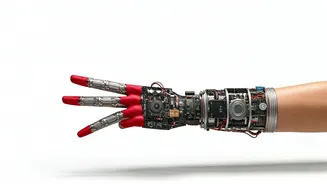
the nuanced hand movements, or mudras, used in Indian classical dance, could serve as a model for developing more sophisticated and precise robotic hand control. Researchers are examining the intricate gestures of various dance forms to map them onto robotic systems, allowing them to perform tasks with improved dexterity and accuracy. This cross-disciplinary approach blends artistic traditions with cutting-edge technology, aiming to create robots capable of mimicking complex human hand motions.
Mudras: The Key
Mudras, the specific positions of the hands and fingers, each carry symbolic meanings. Indian classical dance employs a complex system of these hand gestures to convey stories, emotions, and ideas. The researchers are studying these mudras to create a comprehensive library of hand movements that can be translated into robotic commands. The precision and variety of these gestures provide a rich dataset for training robotic hands. The ultimate goal is to enable robots to manipulate objects and perform tasks with a level of dexterity and finesse previously unattainable, potentially impacting fields such as manufacturing, healthcare, and exploration.
Advancing Technology
This innovative application has exciting implications for the future. The ability to program robots with the intricate movements of the human hand opens up possibilities. This includes more effective surgical robots, adaptable manufacturing systems, and robots capable of handling delicate or complex tasks. This method demonstrates how traditional cultural elements can serve as a foundation for innovation. The fusion of ancient art forms and modern technology has the potential to enhance robotics capabilities, making them more versatile, efficient, and capable of adapting to complex environments.
Cultural Influence
The project emphasizes the value of incorporating cultural diversity into technical design. The use of Indian dance mudras provides a distinctive approach to creating effective robotic systems. The researchers hope that this study will inspire collaborations across various disciplines. By merging artistic traditions with technological research, they aim to create innovations that represent a more inclusive and culturally rich future. It also underscores the importance of exploring traditional knowledge bases for creative solutions.