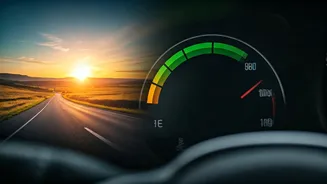








Drive Smoothly
Transforming your driving style is a cornerstone of enhancing your car's fuel economy. By adopting a smoother approach behind the wheel, you can dramatically
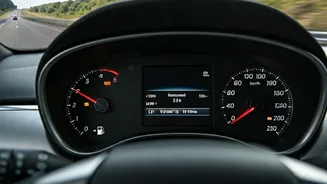
reduce the amount of fuel your vehicle consumes. This involves consciously avoiding abrupt actions such as sudden acceleration and hard braking. Instead, focus on maintaining a consistent and steady speed, particularly when you're cruising on highways or open roads. This gentle driving technique not only conserves fuel but also significantly lessens the strain on your car's engine, potentially prolonging its lifespan and contributing to overall better performance. Embracing this habit is one of the most accessible yet impactful ways to achieve better mileage and contribute to a more eco-friendly drive.
Tyre Pressure Matters
The condition of your tyres plays a more significant role in fuel efficiency than many drivers realize. When tyres are underinflated, they create increased rolling resistance. This means your car's engine has to work considerably harder to propel the vehicle forward, inevitably leading to a higher fuel consumption. To combat this, it's crucial to regularly check your tyre pressure and ensure it's maintained at the manufacturer's recommended levels. Not only will properly inflated tyres help your car achieve better mileage, but they also contribute to enhanced road safety and can extend the life of your tyres, saving you money in the long run.
Trim Unnecessary Weight
The principle is quite straightforward: the heavier your car, the more fuel it demands. Carrying around superfluous weight acts as an additional burden on your engine, forcing it to expend more energy and thus more fuel to move the vehicle. Take a moment to assess the contents of your car, especially the boot. If there are items that you don't regularly need for your journeys, it's best to remove them. Even seemingly small amounts of extra weight can accumulate and make a noticeable difference in your car's overall fuel efficiency. Keeping your vehicle as light as practically possible is a simple yet effective strategy for improving your mileage.
Plan Smart Trips
Strategic trip planning is a powerful tool for maximizing your car's fuel efficiency. Frequent, short journeys, especially those made during peak traffic hours, can be particularly detrimental to your mileage. Wherever possible, try to consolidate multiple errands into a single outing to minimize the number of cold starts and short-distance drives. Furthermore, making an effort to avoid periods of heavy congestion can lead to substantial fuel savings, as stop-and-go traffic is notoriously inefficient. By mapping out your routes in advance and choosing less crowded times to travel, you not only conserve fuel but also save valuable time and reduce overall travel costs.
Minimize Engine Idling
Leaving your car's engine running unnecessarily, known as idling, is a significant drain on your fuel resources. Modern vehicles are designed to use very little fuel for restarting, making it a more efficient option than prolonged idling in many situations. A good rule of thumb is to switch off your engine if you anticipate waiting for more than a minute. This simple habit, while seemingly minor, can accumulate considerable fuel savings over time. It's a practical and easy-to-implement strategy that directly contributes to improving your car's mileage and reducing wasted fuel.
Right Gear, Right Time
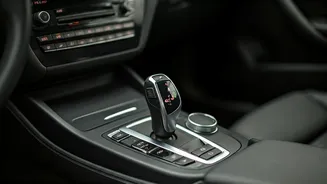
Utilizing the correct gear at the appropriate moment is crucial for optimizing your car's fuel consumption. Engaging in overly aggressive engine revving in lower gears is inefficient and wastes fuel. Instead, focus on shifting gears smoothly and at the optimal points in your driving cycle. This ensures that your engine operates within its most efficient performance range. By mastering the art of timely gear changes, you can maintain a more consistent and economical drive, reducing fuel usage and promoting better overall engine health and longevity.
Regular Car Servicing
Consistent and timely maintenance of your vehicle is paramount for achieving optimal fuel efficiency. A well-serviced engine performs at its peak, utilizing fuel more effectively. Key components like clean air filters, fresh engine oil, and properly functioning spark plugs all contribute to efficient combustion and reduced fuel consumption. Conversely, a neglected car with worn-out parts will inevitably require more fuel to operate. Prioritizing regular servicing ensures that your vehicle remains in excellent mechanical condition, leading to better mileage and saving you money on fuel costs in the long run.