


Trade Deal Overview
A significant trade agreement has been announced between India and the United States, marked by noteworthy tariff adjustments. According to reports, India has taken
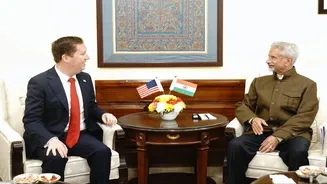
steps to eliminate tariffs on goods imported from the US, while a reduction from 25% to 18% has been applied on Indian goods. The agreement reflects a strategic shift in the trade dynamics, aiming to strengthen economic ties between the two nations. This move indicates a commitment from both sides to enhance the ease of doing business and foster mutual economic growth. Further details are anticipated to emerge, possibly elaborating on specific products and timelines. The collaboration signifies a broadening of economic partnerships and signifies a step towards greater integration within the global economic framework. This move is intended to stimulate trade volumes and create positive impacts across various sectors in both India and the US. The agreement is also seen as a platform for deeper engagement, facilitating cooperation across various other strategic areas.
Modi & Trump's Exchange
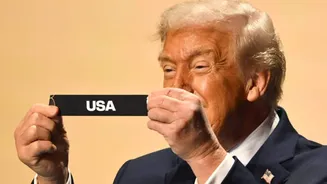
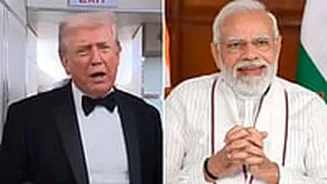
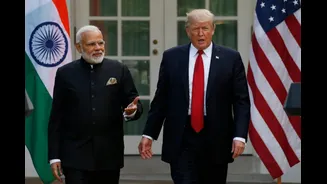
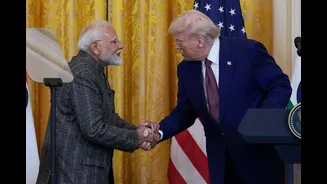
The trade agreement was the subject of conversation between Prime Minister Modi and former President Trump, reflecting its importance at the highest levels of government. PM Modi has extended gratitude to Trump for his cooperation, underscoring the collaborative spirit between the two nations. This exchange also highlighted the significance of the reduction of the 18% tariff on Indian goods, considered a critical element of the trade agreement. The leaders’ interaction and public statements indicate a strong commitment to strengthening the bilateral relationship. This signifies the importance of personal diplomacy in shaping international economic relations. The appreciation expressed by both sides is a confirmation of the value they attach to their economic partnership. The trade deal's success depends on the continued cooperation and open communication channels. These factors are considered essential for navigating the complexities of international trade. It is projected that this accord will establish a constructive foundation for future engagements.
Railway Budget Allocation
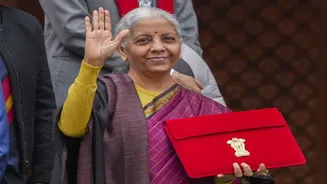
The recent railway budget features a dedicated allocation of Rs 4,769 crore for the state of Uttarakhand, as announced by Ashwini Vaishnaw. This allocation signifies the government's commitment to enhancing infrastructure development within the region. The investment is intended to bolster the railway network, improving connectivity and facilitating economic activity. This highlights the important role that infrastructure investments play in driving regional growth and development. Improved transport infrastructure can improve accessibility and provide new opportunities for communities in Uttarakhand. The investment underscores the government's strategic focus on strengthening public transportation networks. It is a sign of long-term vision and commitment to the development of the region. The comprehensive approach to infrastructure spending is anticipated to produce favorable outcomes.
Strategic Alliances
Recent discussions and collaborations extend beyond trade and are related to strategic partnerships, as demonstrated by the Muizzu-Trump dialogue concerning the Chagos deal, involving the United States' continued presence on Diego Garcia. Additionally, the announcement from Egypt regarding its STREAM initiative highlights India's strategic positioning within the Mediterranean gateway. This demonstrates the wider aspects of the India-US relationship, including the collaboration in foreign policy and global strategic matters. These partnerships signify an increasing convergence of interests and a commitment to address shared challenges. These are key elements to the broader strategic goals of both nations. The deepening of alliances is expected to influence the geopolitical landscape.