



Silent Language of Stripes
The sprawling Indian railway network, a lifeline for millions, relies on an ingenious, unspoken code to maintain order amidst the bustling platforms and
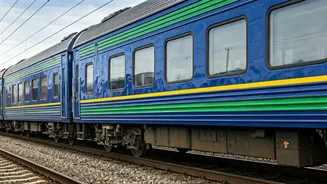
intricate schedules. These distinct color stripes adorning the sides of train coaches are not merely decorative elements; they serve as a vital visual language. This systematic color-coding acts as an immediate identifier for various coach types, significantly aiding both passengers in navigating their way and railway personnel in efficient operations. In the dynamic environment of a busy railway station, these simple markings provide essential clarity, streamlining the boarding process and contributing to the overall safety and accessibility of train travel for a diverse passenger base.
Yellow for Accessibility
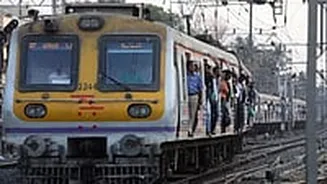
A prominent yellow stripe painted on a railway coach signifies a special designation, primarily reserved for passengers with disabilities and medical personnel. This visual cue is crucial for ensuring that individuals requiring specific accommodations can easily locate their designated coaches without confusion. It highlights the railway's commitment to prioritizing accessibility, making sure that boarding and disembarking are as smooth and stress-free as possible, even during peak travel times when station platforms can be exceptionally crowded. The clear visibility of the yellow stripe allows passengers and staff to quickly direct those in need to the appropriate carriage, embodying inclusivity in the transport system.
Blue for Reserved Classes
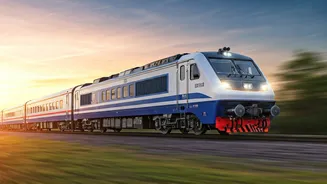
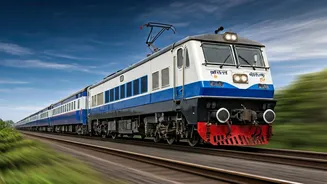
The ubiquitous blue stripe is a common sight and typically indicates a reserved second-class coach. This designation clearly differentiates these compartments from the general, unreserved ones, helping passengers quickly identify their ticketed seating arrangements. By marking reserved coaches with a distinct color, Indian Railways simplifies the process for travelers who have pre-booked their tickets, preventing potential disputes and ensuring they board the correct section of the train. This visual distinction is a practical measure that contributes to a more organized and predictable travel experience for a large segment of passengers.
Other Colors' Roles
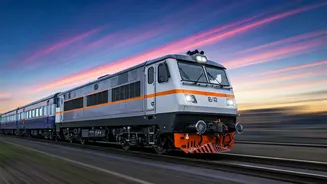
Beyond yellow and blue, a spectrum of other colors plays specific roles in this comprehensive signaling system. A white stripe typically marks general coaches, serving as a broad category. For enhanced safety and convenience, especially for women traveling alone, green stripes are allocated to ladies' coaches, providing a dedicated and secure space. Premium travel experiences are signaled by red stripes, which are commonly found on AC First Class or Executive Class compartments, indicating higher tiers of comfort and service. This array of colors forms a cohesive and easily decipherable map on the exterior of the train.
Systemic Benefits and Impact
The implementation of this color-coded stripe system across the entire Indian railway network yields significant advantages. It systematically reduces ambiguity for passengers, making the complex process of finding the right coach much more straightforward. This clarity, in turn, accelerates the boarding process, which is critical for maintaining punctuality. Furthermore, the system enhances safety; for instance, women seeking the dedicated ladies' coach can swiftly locate the green-striped carriage, and differently-abled passengers are easily guided to the yellow-striped ones by railway staff. This standardization fosters a more efficient, accessible, and secure travel environment for all.