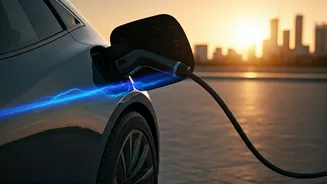



Leverage DC Fast Chargers
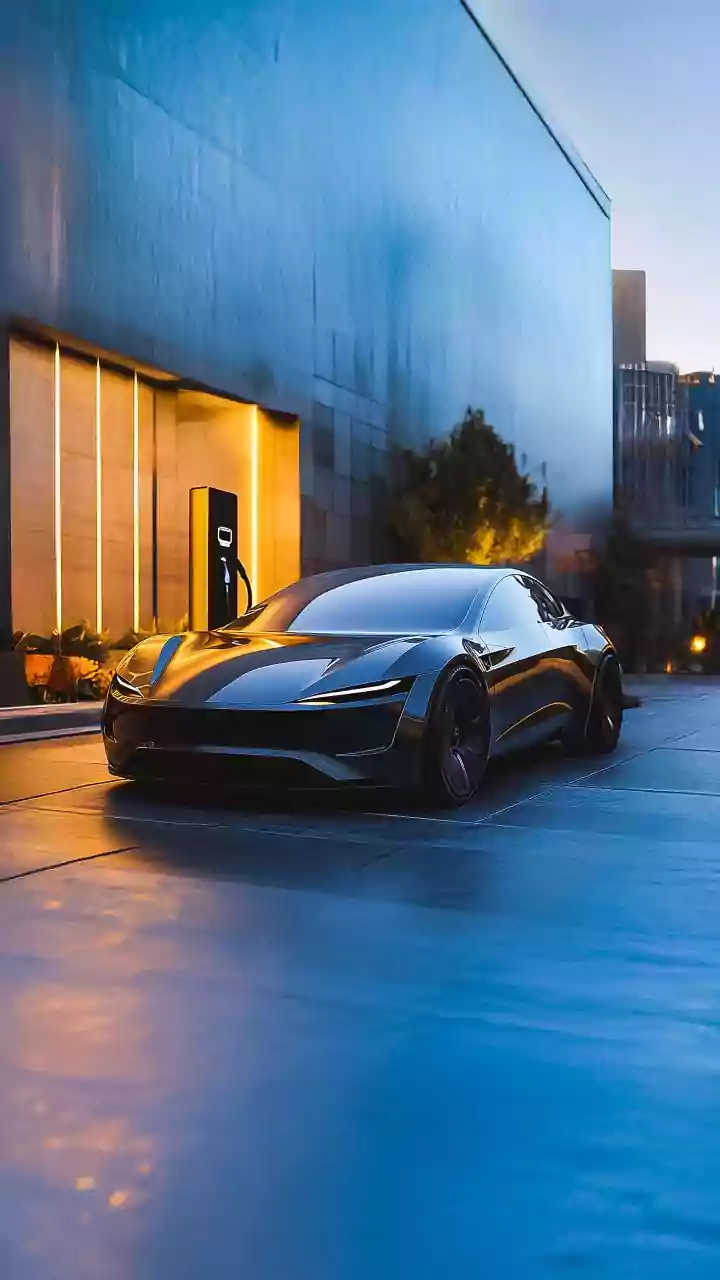
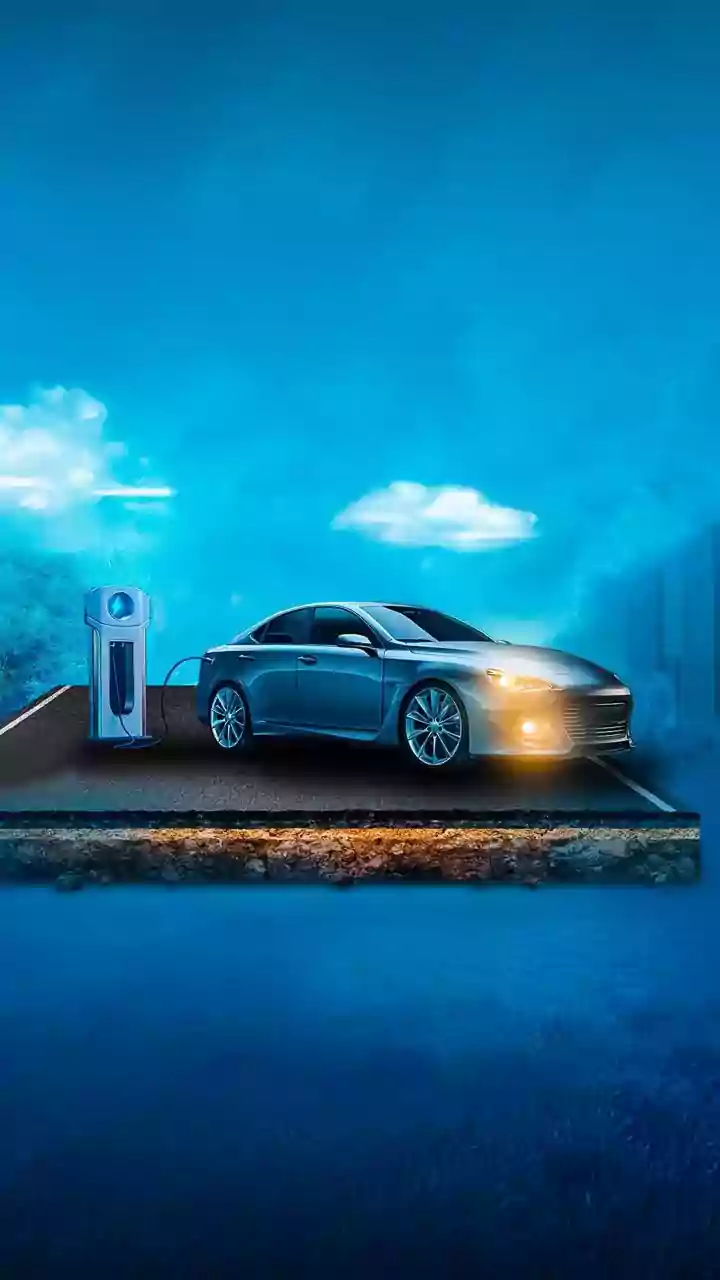
When seeking to significantly reduce charging time, opting for DC fast chargers is your most effective strategy. These advanced charging stations deliver
a considerably higher wattage compared to standard Level 2 or home chargers, allowing most electric vehicles to reach an 80% charge in a fraction of the time. This makes them ideal for longer journeys or when you're pressed for time. The key is that they bypass the car's onboard charger and feed DC power directly to the battery, which is a much faster process. While they are excellent for convenience, it's wise to use them judiciously as part of a balanced charging routine to maximize battery lifespan.
Maintain Optimal Battery Range
For the quickest and most battery-friendly charging sessions, aim to initiate charging when your EV's battery is between 20% and 80% capacity. The charging rate naturally slows down as the battery approaches full capacity to prevent overcharging and protect the cells. Therefore, plugging in your vehicle when it's moderately depleted and unplugging once it reaches around 80% will optimize the speed of energy transfer. This practice not only saves you time but also minimizes stress on the battery, contributing to its overall longevity and consistent performance over years of use.
Precondition Your Battery
Many modern electric vehicles are equipped with a feature that allows you to prepare the battery for charging. This 'preconditioning' function can either warm up a cold battery or cool down an overheated one to bring it to its ideal operating temperature. A battery at its optimal temperature can accept a charge much more efficiently, thereby reducing the total time spent connected to the charger. If your EV supports this, activating it before you head to a charging station, especially a fast charger, can make a noticeable difference in how quickly you can get back on the road.
Guard Against Extreme Temps
The performance of your EV's battery, including its charging speed, is significantly influenced by ambient temperatures. Extremely hot or cold conditions can impede the battery's ability to accept a charge quickly. To mitigate this, try to park your vehicle in a shaded area if it's hot outside, or in a garage if it's frigid. Even simple measures like these can help maintain the battery within its optimal temperature range, ensuring more consistent and faster charging speeds. This proactive approach also contributes to better battery health over the long term.
Use Recommended Chargers
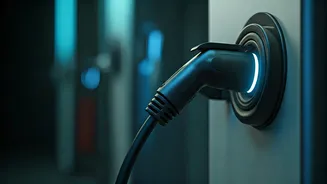
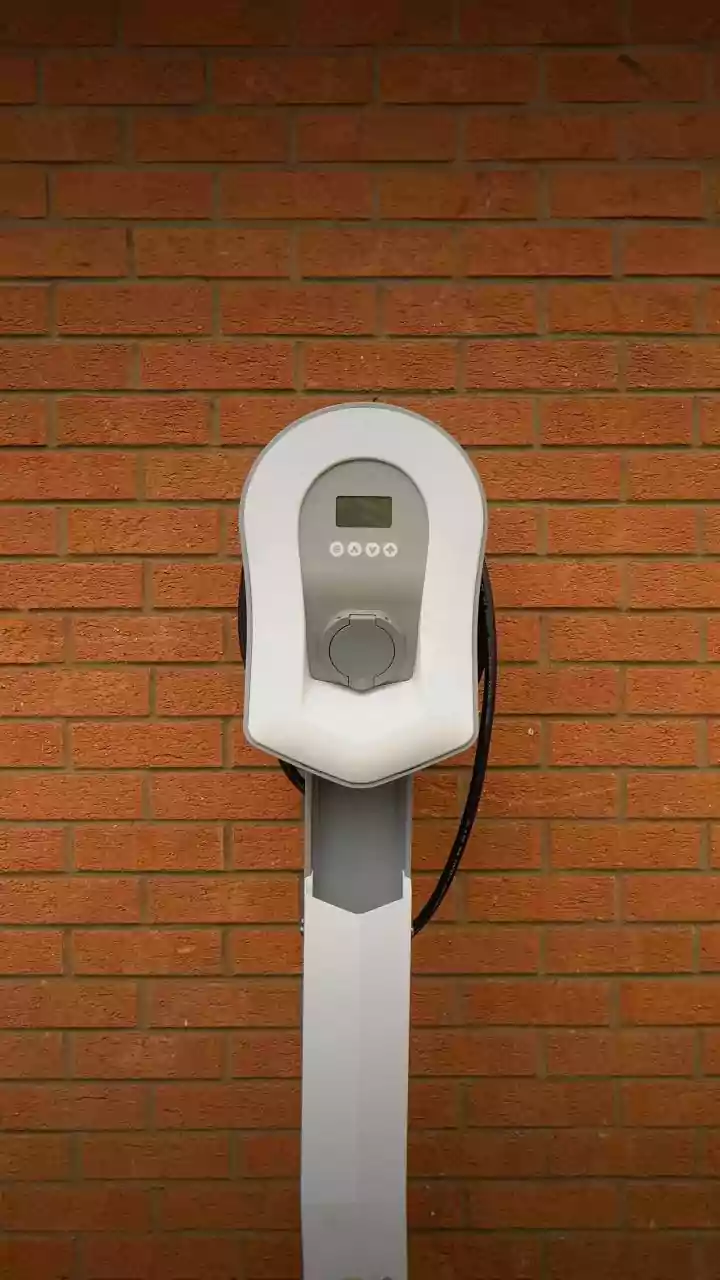
For the safest and most efficient charging experience, always prioritize using chargers that are explicitly recommended or approved by your electric vehicle's manufacturer. These chargers are designed to provide a stable and appropriate power output, calibrated to work harmoniously with your car's battery management system. Using non-approved chargers, especially those that might deliver inconsistent power or voltage, could potentially lead to slower charging times or, worse, damage the battery over time. Sticking to manufacturer guidelines ensures both speed and the preservation of your battery's integrity.