






Misjudging Real-World Range
A frequent misstep for new electric car purchasers is fixating solely on the manufacturer's stated driving range. In reality, the distance an EV can cover
on a single charge is significantly influenced by a multitude of factors. These include your driving habits, such as how aggressively you accelerate or brake, the density of traffic encountered, prevailing weather conditions (extreme temperatures can impact battery performance), and the extent to which you utilize climate control systems like the air conditioner. It's far wiser to consult independent user reviews and, crucially, to undertake thorough test drives under conditions that mimic your typical daily commute. This hands-on experience will provide a much more accurate picture of the vehicle's practical range, preventing potential disappointment and inconvenient mid-journey charging stops.
Neglecting Charging Logistics
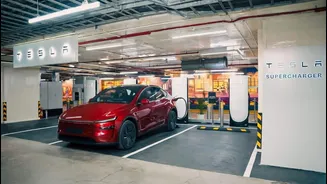
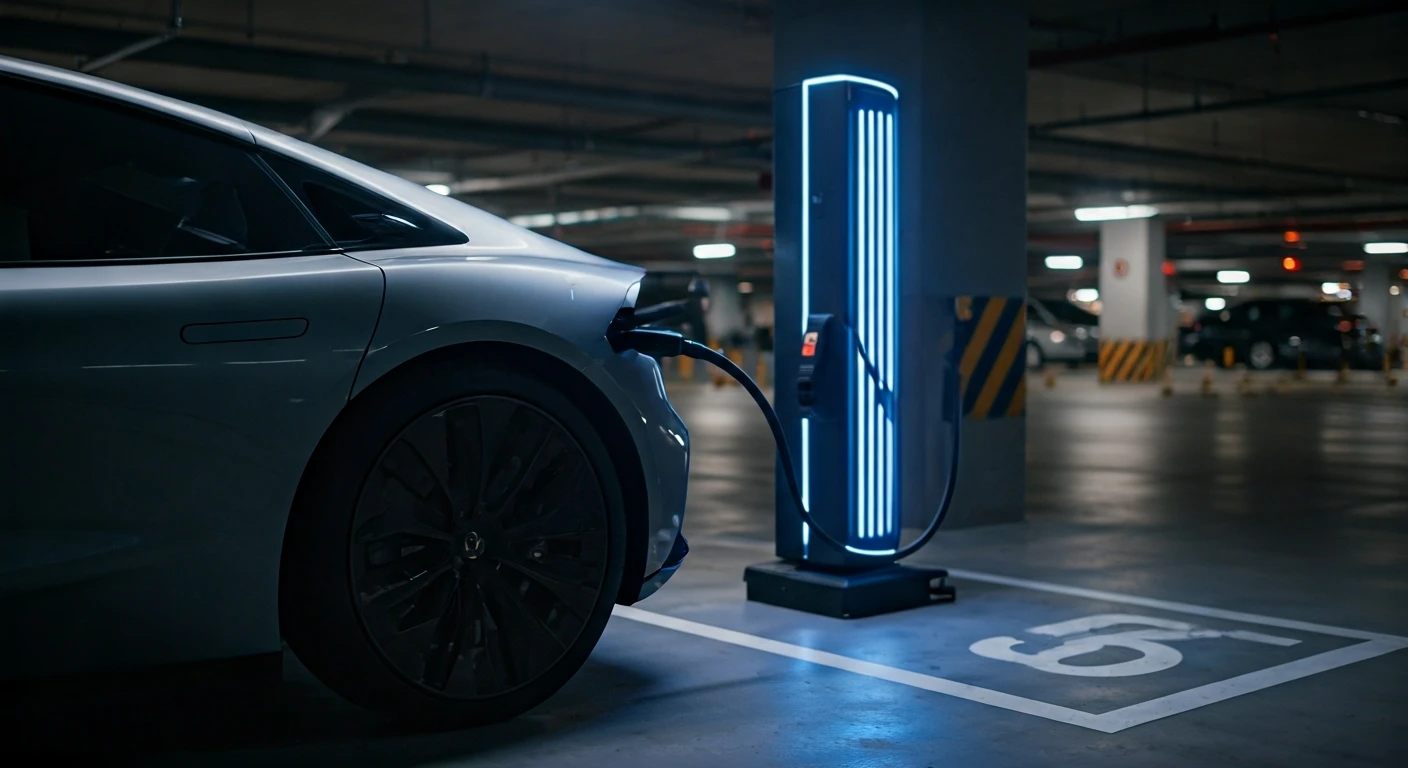
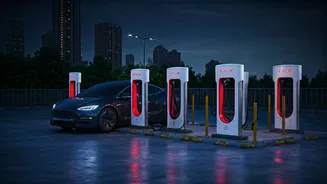
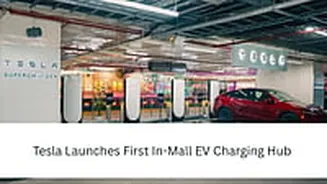
A critical oversight for many first-time electric car buyers is failing to adequately assess the available charging infrastructure in their immediate vicinity and along their regular travel routes. The convenience of an electric vehicle hinges on accessible charging solutions. If public charging stations are scarce or inconveniently located, and if installing a home charging setup presents challenges, daily use can become a source of significant frustration. It's imperative to map out your common journeys and confirm that charging points are readily available, whether at home, at your workplace, or along your most frequently traveled paths. Proactive planning here is key to ensuring seamless operation and avoiding the inconvenience of being caught without a power source.
Underestimating Charging Duration
A common pitfall is the failure to appreciate the time commitment involved in recharging an electric vehicle compared to the swift process of filling a conventional petrol or diesel car. While fast-charging technology is advancing, these rapid chargers are not universally accessible, and even they require a substantial block of time. Buyers must thoroughly understand the charging timelines associated with both home charging solutions and public charging stations. Being aware of these durations – which can range from a couple of hours for a significant boost on a fast charger to overnight for a full charge at home – is crucial for managing expectations and preventing daily operational anxieties, ensuring that charging fits into your routine without undue stress.
Ignoring Battery Health & Warranty
The battery pack represents the single most expensive component of an electric vehicle, and its longevity and warranty terms are often overlooked by new buyers. Over time, all EV batteries experience some degree of degradation, which can affect their capacity and performance. Therefore, it is absolutely vital to scrutinize the battery's warranty coverage, understanding precisely what it entails and for how long it is valid. Additionally, gaining an understanding of the expected lifespan of the battery and the potential costs associated with its eventual replacement is a critical step in calculating the true long-term ownership expenses and avoiding unexpected financial burdens down the line.
Skipping Total Ownership Cost
While electric cars might present a higher initial purchase price, their long-term operational savings can be substantial. However, a significant mistake is failing to conduct a comprehensive calculation of the total cost of ownership. This involves looking beyond the sticker price and factoring in all associated expenses. These include the cost of electricity for charging (which varies by tariff and time of use), routine maintenance requirements (which are typically lower than for internal combustion engine vehicles), insurance premiums, and, importantly, the potential future cost of battery replacement. A complete financial assessment provides a realistic perspective on the overall economic benefits and long-term affordability.