




Expressway Versus Train
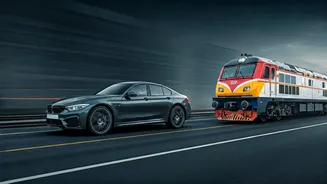
The recently opened Delhi-Dehradun Expressway presents a compelling new option for commuters, drastically reducing travel time to just 2.5 hours. This
new infrastructure challenges the established Vande Bharat train, which officially takes approximately 4 hours and 45 minutes to cover the same distance. The expressway's impact on travel efficiency is significant, prompting a closer look at which mode of transport is superior for this route. For those considering a journey between Delhi and Dehradun, understanding these differences is key to making an informed decision about their travel plans. The highway offers a swift alternative that directly competes with the convenience and speed previously dominated by rail travel.
Bus Travel Efficiency
Buses utilizing the Delhi-Dehradun Expressway now offer a travel time of around 2.5 to 3 hours, making them a highly competitive option. This efficiency extends to cost as well. Currently, a one-way ticket for a Volvo Non-Stop bus from Delhi's Kashmiri Gate to Dehradun ISBT is priced at approximately Rs 709. In contrast, opting for the Vande Bharat Express comes at a higher price point. A chair car seat on the Vande Bharat is priced at Rs 1075, and an Executive car costs Rs 1900. This disparity makes buses a notably more economical choice for individual travelers seeking to balance speed and budget on this route, providing a clear advantage for those prioritizing affordability without a substantial time penalty.
Car Travel Savings
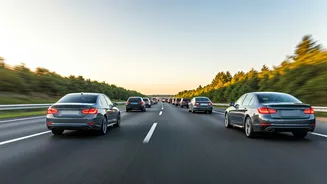
For groups, traveling by car via the Delhi-Dehradun Expressway presents an even more attractive proposition, offering both speed and significant cost savings. Consider a group of four embarking on this journey in a car that achieves 15 kmpl mileage. Starting from Akshardham in Delhi, the total distance is approximately 213 km. This would necessitate about 14.2 liters of petrol. With petrol priced at Rs 94.77 per liter in Delhi, the fuel cost amounts to roughly Rs 1345.73. Adding the expressway toll fee of Rs 675, the total expenditure for the trip reaches approximately Rs 2020.73. This breaks down to a per-person cost of just Rs 505, making it considerably more economical than individual bus or train tickets, especially for larger groups.
Final Verdict
When comparing the Delhi-Dehradun Expressway and the Vande Bharat train, the expressway emerges as the more efficient choice for most travelers. For solo commuters, the bus offers the best combination of speed and affordability, completing the journey in roughly the same amount of time as a car but at a lower individual cost. Group travelers will find personal vehicles exceptionally cost-effective, with the per-person expense dropping significantly. While both options provide a swift connection, the expressway's advantage in terms of reduced travel time and overall lower costs, particularly for groups, makes it the winning option for this route.