




Early Rail Beginnings
The genesis of train travel to Mumbai is a tale interwoven with progress and the evolution of India. Railway systems were introduced during the British
colonial era, reshaping the nation's infrastructure and the way people moved across vast distances. These early trains served as a vital link, connecting the rapidly growing city of Mumbai with different parts of the country. This marked a significant shift from slower modes of transportation like bullock carts and river transport. As the network expanded, it facilitated trade, commerce, and cultural exchange. The early trains not only transported goods but also played a role in connecting communities, thus laying the groundwork for the future growth of Mumbai as a major metropolis. The early Mumbai-bound trains were also a reflection of the engineering ingenuity and logistical challenges of that period.
Naming Conventions Uncovered
The names of trains often bear hidden significance, acting as silent storytellers of history, culture, and aspirations. The Pushpak Express, for instance, draws its name from the 'Pushpak Viman', the mythical flying chariot from Hindu mythology, which reflects a sense of speed, luxury, and cultural connection. This choice aims to evoke a feeling of swift and reliable travel, echoing the legendary mode of transport. In contrast, the Godan Express takes its name from a well-known literary work, symbolizing a journey connected to the common man and the values of rural India. The name reflects a sense of connection with the common folk and evokes a more grounded travel experience. The naming choices represent the diverse perspectives through which the railways are perceived, showcasing how the trains are integral to the nation's identity.
Routes and Realities
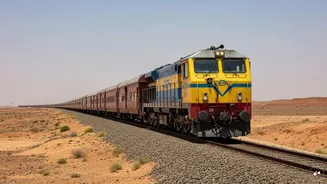
The routes followed by trains heading to Mumbai are a carefully planned network. They are engineered to cater to diverse landscapes, connecting different regions. The routes showcase the engineering expertise needed to overcome the geographical challenges, from vast plains to the Western Ghats. These routes often reflect the evolution of railway technology and route planning. The Godan Express, for instance, might follow a route passing through key agricultural regions, connecting Mumbai with the heartlands of India. The Pushpak Express might cater to more commercial routes, linking Mumbai with industrial and business hubs. Each route is a testament to the logistical complexities and the enduring role of trains in connecting regions and fostering economic activity.
Heritage On Wheels
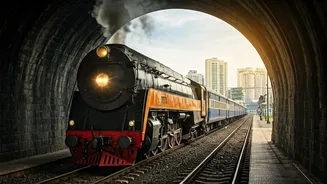
The trains themselves are more than just a means of transport; they are a repository of heritage, carrying stories within their very structure. The design of these trains often mirrors the architectural trends of their time, and the interior decor is a reflection of the culture they pass through. The carriages and compartments have evolved from their early colonial designs to become more comfortable and modern. The evolution also reveals changing technologies and passenger expectations. Some trains may still have elements of their original design, serving as tangible links to the past. These include vintage interiors, old signaling systems, and specific locomotives that evoke a sense of nostalgia. Preserving this heritage is important for the railways.
Impact and Evolution
The introduction of trains to Mumbai changed both the city and the nation. Trains enhanced Mumbai’s growth by connecting it with markets and resources, making it a hub for trade, industry, and commerce. The impact extended beyond economics, influencing social structures, cultural exchanges, and the way communities interacted. Trains broke down the barriers of distance and helped accelerate the movement of people and ideas. Over time, the railways have adapted, introducing advanced technologies, improved passenger facilities, and updated infrastructure to meet the rising demands of a growing population. These upgrades include better safety measures, more efficient engines, and digital booking systems. The evolution of Mumbai-bound trains also mirrors India's larger journey of modernization and progress, cementing their position as an essential part of the nation’s infrastructure.