







Bridging Cities Seamlessly
The arrival of the Samruddhi Mahamarg has fundamentally altered the travel experience between Mumbai and Nashik. Previously, journeys were arduous, often
marred by congested roads through Thane, Bhiwandi, and Kasara, especially during monsoon seasons. This necessitated lengthy travel times, typically ranging from 4.5 to 6 hours, making reliable arrival times a distant dream for many. The old routes forced long-distance travelers to contend with local traffic, leading to unpredictable delays and a generally fatigued journey. The new expressway, however, operates on a distinct principle: separating high-speed, long-distance transit from local urban movement. With dedicated entry and exit points, it minimizes interruptions, allowing for sustained, higher speeds. This structured approach ensures a more consistent and comfortable drive, transforming Nashik into an easily accessible destination for weekend getaways or day trips.
Navigating the New Route
Embarking on the Mumbai-Nashik journey via the Samruddhi Mahamarg is a streamlined affair. While it's not a single, unbroken stretch, the primary section allows for remarkable speed. Typically, travelers will enter the expressway at designated access points near Thane or Bhiwandi. After traversing the main corridor of the expressway, the exit point is usually located on the Igatpuri side. From this exit, a network of state highways seamlessly guides you the rest of the way into Nashik city. A significant advantage of this routing is the complete bypass of the challenging Kasara Ghat. This means an end to the winding, often slow-moving roads that characterized previous journeys, leading to a significantly reduced overall travel time. Under optimal conditions, the journey now typically takes between 2.5 to 3 hours, a stark contrast to the older, more time-consuming routes. This signal-free driving experience and the higher permissible speeds are key contributors to this dramatic improvement.
Understanding Toll Costs
Finances for the journey are an important consideration, and the Samruddhi Mahamarg operates on a toll-based system that varies with your specific entry and exit points. For individuals driving private cars towards Nashik, the estimated one-way toll charge generally falls within the range of Rs 600 to Rs 800. It's crucial to note that the use of FASTag is mandatory across the entire expressway, and cash payments are largely not accepted at the toll plazas. Drivers should also be aware that there might be minor additional toll charges on the connector roads that lead onto and off the main expressway. For commercial vehicles, the consistent driving speeds and smooth road conditions often translate into more predictable fuel consumption patterns, potentially offsetting some of the toll expenses through efficiency gains.
Prioritizing Commuter Safety
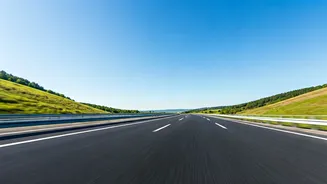
Safety has been a paramount consideration in the design and operation of the Samruddhi Mahamarg. The expressway features divided carriageways, a critical design element that significantly reduces the risk of head-on collisions, a common hazard on many older highways. Furthermore, the controlled entry and exit points effectively restrict unauthorized vehicles, such as two-wheelers, from accessing the expressway, ensuring a safer environment for permitted traffic. For those traveling during the night, reflective signs are strategically placed to enhance visibility and guide drivers effectively. To further bolster security, regular patrolling is conducted along the stretch. Speed limits are clearly defined and differ based on vehicle types, with passenger cars generally allowed higher speeds than heavier commercial vehicles. Lane discipline is also actively monitored to maintain orderly traffic flow.
Maximizing Travel Efficiency
While the Samruddhi Mahamarg offers a significantly faster route, timing your journey can still optimize your travel experience. Early morning departures, ideally between 5:00 AM and 8:00 AM, are often recommended to navigate Mumbai's exit traffic with greater ease. In the evening, around 8:00 PM, city traffic tends to be lighter, making it a more favorable time to leave. It's important to be mindful of seasonal conditions; during the monsoon months, regulated speeds might marginally increase travel time, though the overall delays remain substantially less than those experienced on the older ghat routes. Fog can be a factor, particularly in the colder months near Igatpuri and surrounding areas during early winter mornings, so drivers should remain vigilant. The reduced travel time has also made Nashik more accessible for shorter visits, allowing travelers to focus on specific attractions like Trimbakeshwar Temple, vineyards, Panchavati, or Anjaneri Hills within a more manageable timeframe.