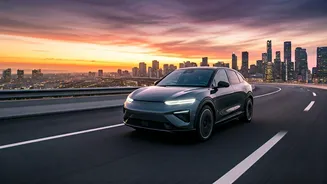

EV Landscape Unveiled
The Indian automotive market is experiencing a significant shift towards electric vehicles (EVs). Consumers are increasingly drawn to the environmental
and economic benefits of electric vehicles, leading to increased demand. This surge in popularity has prompted automakers to launch a variety of EV models to cater to different segments of the market. The availability of diverse models and the focus on enhancing driving range are contributing to the growth and development of the EV sector across India. The introduction of new models also indicates a competitive environment among automakers, fostering innovation in this rapidly expanding segment. The variety allows consumers to choose vehicles based on their needs, preferences, and budgets.
Tata Sierra's Position
The Tata Sierra stands out as a noteworthy contender within the EV market. The model is highlighted for its significance and popularity among consumers, which is reflected in its booking numbers. Specific data indicates that diesel variants of the Tata Sierra account for a substantial percentage of total bookings. The Sierra’s presence in the market underscores the consumer's trust in Tata Motors and the vehicle's appeal. Additionally, the attention the Sierra has garnered indicates its contribution to the competitiveness within the electric vehicle industry. This positioning emphasizes the importance of understanding consumer preferences when looking at the developments within the automotive landscape.
Mahindra XUV 7XO's Features
The Mahindra XUV 7XO is another notable entry in the Indian EV segment. The XUV 7XO adds to the variety of offerings and caters to a different segment of the market. Reviews of the XUV 7XO and the launch of its EV counterpart give insight into the competitive landscape, emphasizing the automakers’ focus on electric mobility. The features in the XUV 7XO show the industry's focus on innovative technology and customer-centric design. The model's features and its presence in the market help expand the choices for potential EV buyers, highlighting the efforts of manufacturers to meet varied consumer needs.
Other Notable Contenders
The landscape of EVs in India is populated by other significant players as well. While the main focus remains on the models with the longest ranges, several other vehicles have also made an impact. The BMW iX3, showcased with next-generation technology, demonstrates the industry’s focus on technological advancement. The Kia Seltos contributes to the variety, catering to diverse consumer needs, while models from Maruti Suzuki and Volkswagen add to the growing pool of options. This mix highlights a competitive market, driven by innovation, technological advancements, and consumer demand. These vehicles, including the Tata Harrier and the Vinfast VF7, emphasize the industry's evolution and the continuous refinement of electric vehicles.
Sales Surge in 2025
In 2025, EV sales showed a remarkable increase, hitting record highs. The surge of 77 percent in sales underscored the growing adoption of electric vehicles by consumers. This growth suggests rising consumer acceptance and a shift towards sustainable transportation options. This jump in EV sales also signals a robust market and shows the potential for continued expansion. With the increasing interest in EVs, the industry is witnessing an encouraging trend, reflecting the increasing importance of electric vehicles in the Indian automotive market. This significant growth also encourages the development of EV infrastructure.
Charging Network Expansion
The expansion of charging infrastructure is critical to the broader adoption of electric vehicles in India. The Ather fast charger network, for example, has expanded to over 5,000 charging points. This expansion in charging infrastructure addresses one of the primary hurdles for EV owners, and provides convenience. Furthermore, this expansion enhances the accessibility of electric vehicles. The growing charging network, combined with the other advances in the EV market, indicates the industry's dedication to meeting the needs of EV owners. These charging points facilitate smoother and more convenient driving experiences for EV users, and signal a shift towards a more sustainable automotive sector.
Pricing and Discounts
The pricing strategies of automakers play a crucial role in attracting customers. Price hikes on models like the Toyota Fortuner, Innova Crysta, and Hycross were observed, with increases of up to Rs 74,000. Conversely, companies such as Volkswagen provided discounts of up to Rs 3 lakh on models like the Tiguan, Virtus, and Taigun. These varied price adjustments directly influence consumer purchasing decisions and market competitiveness. The pricing adjustments show how companies react to market trends, and give insight into the financial strategies within the automotive sector. This helps consumers make informed choices.
Awards and Recognition
The recognition that models receive from the automotive community further validates their market position. The 2026 Autocar India Awards saw the Tata Sierra and TVS Apache RTX 300 take top honors. These awards serve as indicators of the quality, innovation, and consumer preference of the vehicles in question. Receiving awards increases brand reputation and consumer trust in the models. Furthermore, they contribute to the competitiveness within the automotive industry, and encourage manufacturers to aim for the highest standards.
Market Dynamics
The market dynamics involve a range of factors that influence sales, consumer preferences, and business strategies. While specific figures for the top 10 vehicles are not detailed, the article mentions various factors shaping the market. The launch of new models, like the Mahindra XUV 3XO EV at a starting price of Rs 13.89 lakh, highlights the changing landscape. The diversity in choices, including those from brands such as Suzuki and Kawasaki, encourages competition. All this reflects the dynamism of the Indian automotive sector. The market's response to the new models and changing preferences drives innovation and influences the strategic decisions of automakers.
Looking Ahead
As the EV market continues to evolve in India, a few factors will be crucial for its future growth. The focus on improving range, charging infrastructure, and affordability will be important. The introduction of cutting-edge technologies and the expansion of the charging network will continue. The strategies of the automakers will determine the competitive landscape. As the EV market grows, the industry must respond to the changing consumer preferences and regulatory changes. All the developments will guide the Indian automotive industry toward an eco-friendly and sustainable future. This forward-looking approach indicates the industry's commitment to making EVs mainstream.