

Master the Lid Technique
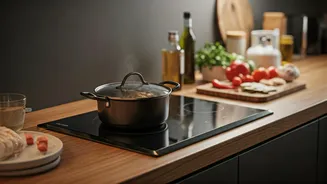
A fundamental yet often overlooked method for conserving cooking gas involves consistently using a lid on your pots and pans. This simple action traps
heat and moisture effectively within the vessel, accelerating the cooking process. Without a lid, heat dissipates rapidly, forcing your stove to remain on for extended periods, thus consuming more fuel. By ensuring your cookware is covered, you can noticeably shorten cooking times, leading to a direct reduction in your LPG consumption. This technique is especially beneficial for dishes that require simmering or boiling.
Right Burner, Right Pot
Gas stoves are equipped with burners of varying sizes, but many home cooks default to using the largest one regardless of the utensil. This practice leads to considerable fuel wastage, as the flame on a large burner can extend far beyond the base of a small pot, heating the surrounding air rather than the food. It's crucial to match the burner size to your cookware; opt for smaller burners for smaller vessels and reserve the larger ones for larger pots or when cooking substantial meals. This mindful pairing ensures that the heat is directed efficiently where it's needed most, preventing unnecessary gas expenditure.
Soak for Faster Cooking
Before placing grains like rice or pulses like lentils and beans onto the heat, consider soaking them in water. This pre-treatment allows them to absorb moisture, softening their structure considerably. Consequently, they require significantly less time to cook on the stove. Even a short soaking period of 30 minutes to an hour can yield substantial reductions in cooking duration, translating directly into savings on your LPG usage. This method not only conserves gas but also often results in a better texture for the cooked food.
Smaller Veggie Chunks
The size at which you prepare your vegetables plays a role in how quickly they become tender and ready to eat. Large pieces of vegetables inevitably take longer to cook through, demanding more time on the stove and, therefore, more gas. By cutting your vegetables into smaller, uniform pieces, you increase their surface area exposed to heat, allowing them to cook more rapidly and evenly. This simple preparation step can noticeably decrease the overall cooking time for your dishes, contributing to gas conservation.
Batch Cooking Strategy
Frequent ignitions and re-ignitions of your gas stove throughout the day can collectively consume a surprising amount of fuel. A more efficient approach is to plan your cooking sessions strategically. Aim to prepare multiple dishes concurrently whenever possible. For instance, while a lentil dish is simmering, you could be stir-frying vegetables or boiling rice in separate pots. Consolidating your cooking tasks into fewer, longer sessions rather than numerous short ones can significantly reduce overall gas consumption.
Simmer Down Heat
A common habit that leads to gas wastage is maintaining a high flame even after the contents of a pot have begun to boil. Once your food or water reaches its boiling point, a lower heat setting, or a simmer, is typically sufficient to continue the cooking process. Keeping the flame unnecessarily high at this stage does not expedite the cooking further but instead burns through your LPG supply at an accelerated rate. Adjusting the flame to a simmer once boiling is achieved is a straightforward way to conserve fuel.
Sparkling Clean Burners
The efficiency of your gas stove can be compromised by dirty burners. Over time, food particles, grease, and spills can accumulate and clog the tiny holes where the gas emerges. This obstruction can lead to uneven flames and inefficient combustion, meaning more gas is used for less effective heating. Regularly cleaning your burners ensures a consistent, strong blue flame, which is indicative of optimal gas burning and helps your cylinder last longer.
Perfect Pot-Flame Harmony
An often-repeated error in the kitchen involves using cookware that is disproportionately small for the size of the burner flame. When the flame flares up and extends beyond the base of the utensil, a significant amount of heat energy is lost to the surrounding atmosphere. To maximize efficiency, it is essential to select pots and pans whose bases are appropriately sized to be fully encompassed by the burner's flame. This ensures that nearly all the heat generated is transferred to the food, minimizing waste.
Flat Bottom Advantage
The design of your cookware can influence cooking speed and gas consumption. Vessels with flat bottoms are generally superior in absorbing heat from the gas burner compared to those with rounded undersides. A flat base sits evenly on the stove, allowing for more uniform heat distribution across the entire cooking surface. This leads to faster and more consistent cooking of your food, thereby reducing the duration the flame needs to be active and conserving LPG.
Off-Heat Cooking Power
Many dishes can continue to cook effectively even after the gas supply has been turned off, thanks to the residual heat retained within the cookware and the food itself. By anticipating the final stages of cooking, you can switch off the flame a minute or two before the dish appears completely done. The trapped heat will then gently finish the cooking process without any additional gas consumption. This small adjustment can contribute to significant savings over time.