





Understanding Jean Types
Men's jeans come in a wide variety of styles, each offering a unique fit and aesthetic. Straight-leg jeans are a classic choice, offering a balanced look
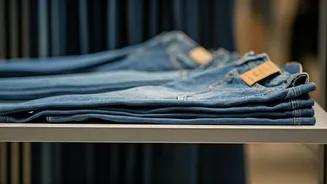
suitable for most body types. Slim-fit jeans provide a more modern silhouette, hugging the legs closely, ideal for a contemporary style. Tapered jeans narrow towards the ankles, combining the comfort of a relaxed fit with a sleek finish, perfect for pairing with sneakers or boots. Bootcut jeans, characterized by a slight flare from the knee down, offer a retro appeal, often worn with boots. Choosing the right style depends on personal preference and the occasions for which they will be worn. Considering different washes and finishes helps enhance the style. For example, a dark wash often looks more formal, while a light wash has a casual feel.
Factors: Fit and Comfort
Fit is arguably the most critical aspect when selecting jeans. The right fit ensures both comfort and a flattering appearance. Consider the rise of the jeans: the distance from the crotch to the waistband. Low-rise jeans sit below the natural waist, offering a more casual and relaxed look. Mid-rise jeans are the most common, sitting at the natural waistline, providing a versatile fit. High-rise jeans sit above the natural waist, often elongating the legs and providing a vintage-inspired aesthetic. Examining the leg opening is also important. A wider opening may work well for casual styles, while a narrower opening provides a more streamlined fit. Furthermore, the material composition influences both comfort and durability. Jeans with a small percentage of spandex or elastane offer added flexibility, promoting ease of movement. Be sure to check online reviews that can provide valuable information about how a certain fit actually works.
Denim Fabric Matters
The fabric of jeans affects both their look and feel. The primary material used in jeans is denim, a sturdy cotton twill fabric. Different weights of denim provide varying degrees of comfort and durability. Heavier denim, often over 12 ounces, is very durable and provides a structured fit, ideal for workwear or colder climates. Lighter denim, below 10 ounces, is more comfortable and flexible, suited for warmer weather. The wash and treatment of the denim can transform its appearance. Raw denim, which has not been pre-washed, retains its original dark color and can fade uniquely over time. Washed denim, on the other hand, undergoes various processes to soften the fabric and provide a worn-in appearance. Different washes, such as stonewashing or acid washing, can create distinct looks. Careful consideration should be given to the type of denim and how it impacts both aesthetic appeal and longevity. The fabric composition is critical.
Picking Color and Wash
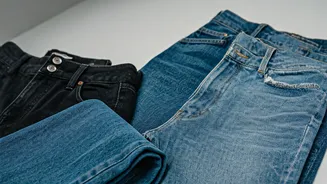
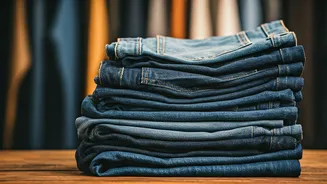
The color and wash of jeans influence their versatility and how they can be styled. Dark wash jeans, such as indigo or black, are often considered more formal and can be paired with dressier shirts and shoes. They create a sleek and polished look suitable for various occasions. Lighter wash jeans, like light blue or stonewashed, are more casual and relaxed, fitting well with t-shirts and sneakers for a laid-back vibe. Medium wash jeans provide a balance between the two, offering versatility for both casual and semi-formal settings. Choosing the correct color depends on the desired look and the existing wardrobe. Consider the color's compatibility with other items in your closet. Lighter washes are more prone to showing wear and tear, and they often work well during spring or summer. Conversely, darker washes are easier to maintain, and their versatility is a benefit. Experiment with various options to discover those that enhance your personal style.
Caring for Jeans
Proper care and maintenance can significantly extend the life and appearance of your jeans. Washing jeans less frequently helps preserve their color and fit. Turn the jeans inside out before washing to reduce fading and damage to the fabric. Use cold water to prevent shrinkage and color loss. Avoid using harsh detergents, as they can break down the fabric and fade the color. When washing, you can either machine wash or hand wash, depending on the care label. Air drying your jeans is ideal, as it prevents shrinkage and minimizes wear and tear. If using a dryer, use a low heat setting and remove the jeans while still slightly damp to avoid excessive shrinking. Following these care tips ensures that your jeans remain in great condition and look their best for longer periods, thus increasing their lifespan.