







Fuel Station Infrastructure
Fuel stations are a vital part of India's infrastructure, supporting millions of vehicles daily. These stations, commonly known as petrol pumps, are not
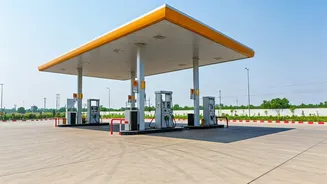
just places to refuel; they are becoming crucial hubs offering multiple services to cater to the diverse needs of consumers. The design and operation of fuel stations have become increasingly sophisticated, with modern stations featuring advanced dispensing systems, robust safety measures, and a commitment to environmental sustainability. Proper infrastructure planning and regular maintenance are crucial for uninterrupted service delivery. Fuel stations face challenges, including maintaining infrastructure in harsh weather conditions and dealing with increased traffic volumes. Furthermore, compliance with safety regulations is paramount, requiring stations to invest in fire suppression systems, emergency response plans, and regular safety inspections. These measures ensure that fuel stations are safe and efficient, providing essential services to support the country's economic activity.
Strategic Importance Unveiled
Fuel stations hold a significant strategic role in India's economy, extending beyond just supplying fuel. Their strategic location along major highways and in urban centers means they are essential for transportation and supply chains. Fuel stations contribute substantially to government revenue through taxes and duties on fuel sales. They also act as economic catalysts, providing jobs and supporting local businesses through partnerships. The operations of fuel stations are affected by geopolitical factors such as global oil prices and supply chain disruptions. In India, managing these complexities requires strategic planning, including diversifying fuel sources and implementing efficient logistics to maintain supply continuity. The development and effective management of fuel stations are therefore essential for supporting India's economic growth and ensuring energy security.
Meeting Consumer Needs
Fuel stations in India are undergoing transformation to meet the evolving demands of consumers, going beyond just providing fuel. Nowadays, fuel stations offer convenience services like car washing, tire inflation, and basic vehicle maintenance to provide greater value. Furthermore, fuel stations are expanding their retail offerings to include convenience stores, food outlets, and ATMs, making them integrated service points. Consumer expectations are rising, and fuel stations must ensure quick and efficient service while maintaining the highest safety standards. This includes well-trained staff, easy-to-use payment systems, and clean facilities. The success of a fuel station today greatly depends on its ability to offer a complete experience, satisfying both the fuel and non-fuel needs of its consumers. Addressing these needs effectively is crucial for building customer loyalty and ensuring long-term success.
Industry Challenges Ahead
The fuel station industry in India faces several significant challenges, from operational issues to market dynamics. Maintaining consistent fuel supply in the face of supply chain disruptions is a major concern. Fluctuations in global oil prices and their impact on profitability present another hurdle for operators. Stiff competition within the industry necessitates strategies such as enhanced customer service and competitive pricing. The rise of electric vehicles (EVs) creates new challenges, especially for fuel stations that need to adapt and install EV charging infrastructure. Adapting to the changing regulatory environment and complying with environmental standards add to the complexity. Fuel stations that recognize and strategically manage these challenges will likely secure a strong position in the market. Adaptability, innovative service offerings, and strong operational efficiency are essential for the continued success of fuel stations in India.
Future Trends Explored
The future of fuel stations in India is evolving, driven by technological innovations and changing consumer habits. The industry is seeing a transition towards digital platforms for online payments and loyalty programs. The integration of electric vehicle (EV) charging stations and the development of alternative fuel options are gaining traction. Fuel stations are also using data analytics to improve their operations, focusing on customer preferences, and optimizing fuel supply. The focus is now on sustainability, with stations looking at renewable energy sources and eco-friendly practices. Fuel stations are poised to develop into integrated mobility hubs that provide a variety of services, catering to both traditional and future vehicle needs. To succeed, fuel stations must embrace these emerging trends, invest in new technologies, and focus on customer-centric services. These strategic adjustments will enable fuel stations to meet evolving consumer needs and thrive in a dynamic market environment.