






Breathe Easy: Filter Care
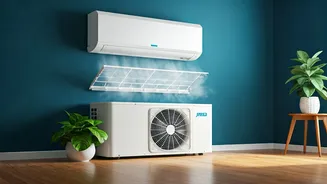
The primary reason your air conditioner might be guzzling more power than it should often lies with its air filters. When these filters become clogged
with dust, dirt, and debris, they severely impede the unit's ability to circulate air effectively. This forces the AC system to exert considerably more effort, consuming a disproportionate amount of electricity to achieve the desired cooling. To combat this, it's highly recommended to clean your AC filters diligently every two months. This simple act not only enhances the efficiency of your cooling system, ensuring it operates at peak performance, but also directly contributes to a noticeable reduction in your monthly energy expenses. A clean filter means better airflow, less strain on the unit, and ultimately, a more economical operation.
Clear the Air: Outdoor Unit
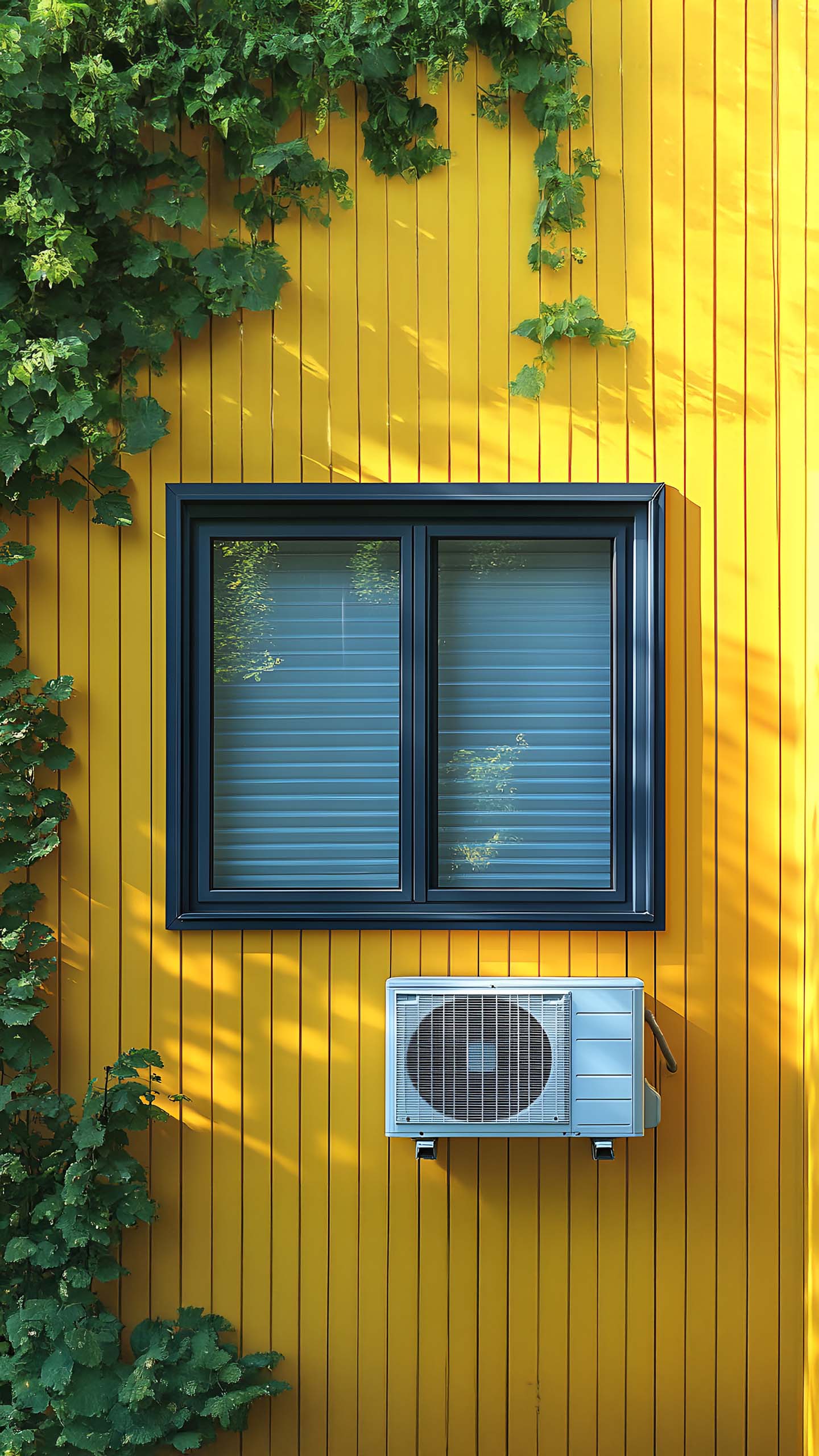
Beyond the indoor components, the outdoor unit of your air conditioner also requires regular attention to maintain optimal performance and energy efficiency. Accumulations of leaves, dust, dirt, and other environmental debris around the exterior unit can obstruct airflow, much like a dirty filter indoors. This obstruction hinders the unit's ability to dissipate heat effectively, compelling it to work harder and consume more power. By dedicating time to regularly clean away any obstructions from the outdoor unit, you ensure that it can function as designed. This maintenance practice is crucial for preventing energy wastage and maintaining the AC's cooling capacity, thereby helping to keep your electricity bills in check.
Professional Check-ups Matter
Just like any complex machinery, your air conditioner benefits immensely from periodic professional servicing. A technician can identify and address potential issues that might not be apparent during routine cleaning, ensuring all parts are functioning correctly. Regular servicing is paramount for two key reasons: it guarantees superior cooling performance and plays a vital role in lowering power consumption. Adhering to the service intervals recommended by the AC manufacturer is a wise strategy. These professional tune-ups can prevent minor problems from escalating into major repairs, while also fine-tuning the system for maximum efficiency, ultimately translating into reduced electricity usage and cost savings.
Ideal Temperature Settings
The temperature setting on your AC has a direct and significant impact on your electricity consumption. According to energy experts, maintaining your thermostat between 24°C and 26°C is a highly effective strategy for reducing energy usage. While it might be tempting to crank the AC to its lowest setting during extreme heat, doing so dramatically increases the workload on the unit and, consequently, escalates your electricity bill. By adopting this recommended temperature range, you achieve a comfortable environment without overworking your AC, making it one of the most straightforward yet impactful ways to lower your monthly energy expenses.
Seal the Cool Air
A significant portion of your cooled air can escape your home through unnoticed gaps and cracks, especially around windows and doors. This leakage forces your air conditioner to run longer and harder to compensate for the lost cool air, leading to increased energy expenditure. Proactively sealing these openings is a simple yet highly effective maintenance task. By using appropriate sealants or weatherstripping, you create a more airtight environment within your home. This ensures that the cool air generated by your AC remains trapped inside, allowing the unit to reach and maintain the desired temperature more efficiently, which in turn, contributes to a lower electricity bill.
Fan for Efficiency
Incorporating a ceiling fan into your cooling strategy can be a surprisingly effective way to enhance comfort while reducing reliance on your air conditioner, thereby lowering electricity costs. When a ceiling fan is in operation, it creates a wind chill effect by circulating air, making the room feel several degrees cooler than it actually is. This means you can comfortably set your thermostat a few degrees higher – perhaps within the recommended 24°C to 26°C range – without sacrificing comfort. By allowing your AC to operate less frequently or at a less intense setting, you achieve significant savings on your electricity bills over time. It's a complementary solution that boosts comfort and cuts down on energy usage.