


Expressway Now Fully Operational
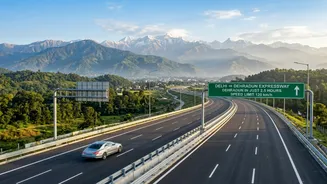
The highly anticipated Delhi-Dehradun Expressway has officially commenced operations, marking a significant advancement in connectivity between the national
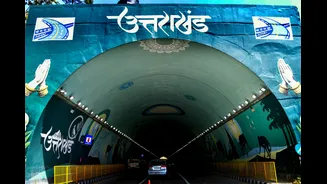
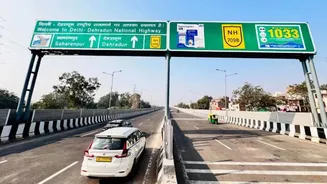
capital and the picturesque city of Dehradun. Inaugurated by Prime Minister Narendra Modi on April 14, 2026, the entire 213-kilometer stretch, commencing from the iconic Akshardham temple in Delhi and culminating in Dehradun, is now accessible to the public. This development promises to revolutionize travel between these two key locations. While the expressway is open, travelers should be aware that some supplementary facilities, such as petrol pumps, rest areas, restrooms, and dining establishments, are still in the process of being fully readied. Consequently, minor inconvenconveniences might be encountered during the initial phase of operation. However, these are expected to be resolved swiftly, ensuring a seamless experience for commuters in the near future.
Drastically Reduced Travel Time
One of the most striking benefits of the new Delhi-Dehradun Expressway is the dramatic reduction in travel time. Previously, the journey between Delhi and Dehradun would typically consume about six hours of driving. With the inauguration of this state-of-the-art expressway, this travel duration has been more than halved. Commuters can now anticipate reaching Dehradun from Delhi in an astonishingly short period of approximately 2.5 to 3 hours. This substantial decrease in transit time will undoubtedly boost tourism, facilitate business interactions, and make weekend getaways to the Himalayan foothills far more accessible and convenient for residents of the Delhi-NCR region.
Key Route and Access Points
The Delhi-Dehradun Expressway traverses a strategically planned route, passing through several significant towns and cities. The path includes Loni, Khekra in Baghpat, Baraut, Shamli, Muzaffarnagar, Saharanpur, Ganeshpur, and Asharodi before reaching its final destination in Dehradun. For travelers, understanding the key entry and exit points is crucial for seamless navigation. The expressway begins at Akshardham in Delhi, serving as the primary starting point. Other vital access points along the route include Loni, Khekra (Baghpat), Lohadda, Karonda, Mahajan, Khyawari, Saharanpur, Ganeshpur, and Asharodi, with Dehradun marking the ultimate endpoint. This well-defined network ensures convenient access for commuters from various regions.
FASTag Toll Charges Explained
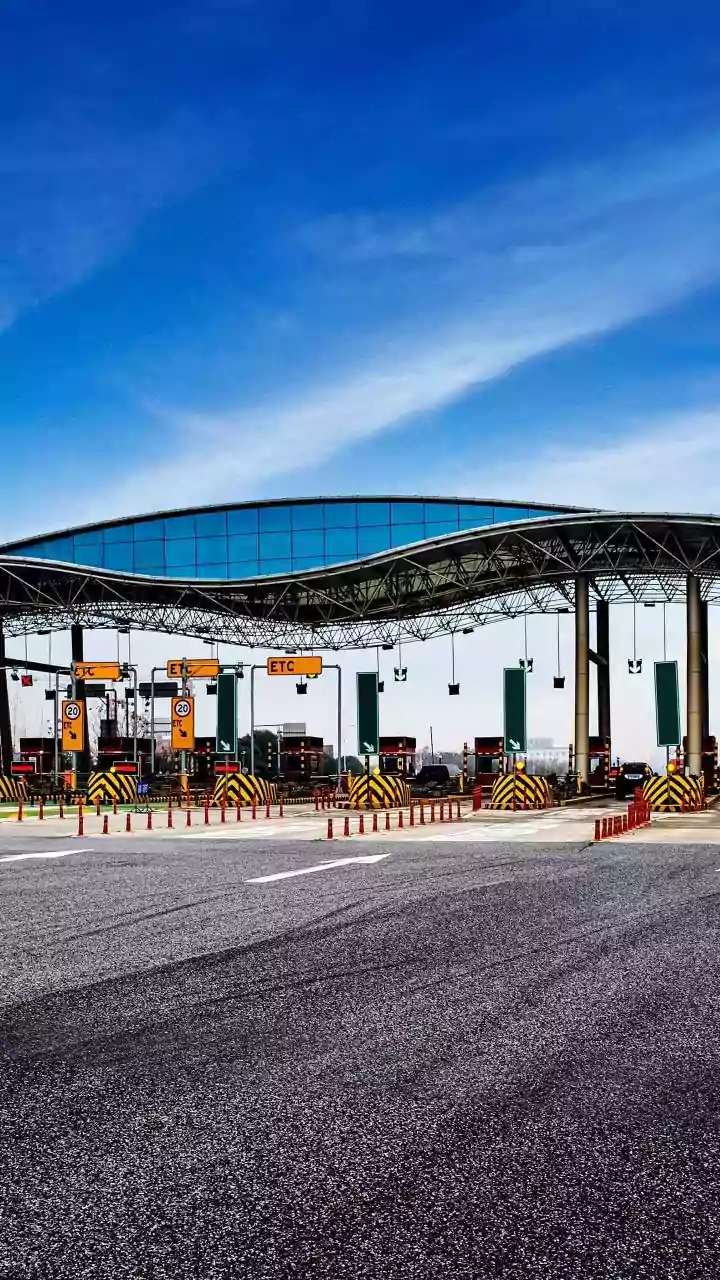
The Delhi-Dehradun Expressway is equipped with five toll plazas, all fully integrated with the FASTag system for efficient toll collection. For users of cars and sedans, a one-way trip is estimated to cost between Rs 670 and Rs 675. Those planning a round trip, returning within a 24-hour period, can expect the toll charges to be approximately Rs 1,000. It is important to note that while the infrastructure is in place, not all toll plazas have achieved complete operational status yet. Travelers are advised to stay updated on the operational status of individual toll points to ensure a smooth payment process.
Unique Wildlife Corridor
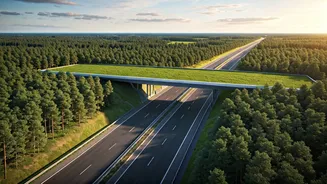
A remarkable feature of the Delhi-Dehradun Expressway is its commitment to environmental integration, particularly through the inclusion of Asia's longest elevated wildlife corridor. Spanning approximately 12 kilometers within the Rajaji National Park, this 6-lane access-controlled corridor is designed to allow wildlife to move freely and safely across the expressway, minimizing human-wildlife conflict. This innovative design showcases a conscious effort to balance infrastructure development with ecological preservation, setting a precedent for future projects. The corridor ensures that the natural habitat remains largely undisturbed, a critical aspect for the biodiversity of the region.
Future Extension Plans
Looking ahead, there are promising plans to further extend the Delhi-Dehradun Expressway all the way to Mussoorie. This proposed extension aims to significantly alleviate traffic congestion within the capital city of Uttarakhand. By providing a direct and efficient link to the popular hill station, the extension is expected to enhance accessibility for tourists and residents alike, while also easing the burden on existing road networks leading to Mussoorie. This future development underscores the strategic importance of the expressway in enhancing regional connectivity and promoting tourism.