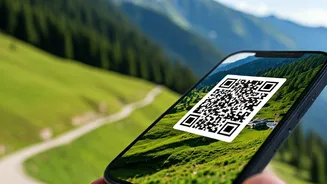







Fortifying Tourist Security
In response to a deeply unfortunate terror attack in Pahalgam's Baisaran meadow on April 22, 2025, which resulted in the loss of 25 tourists and a local
operator, Jammu and Kashmir authorities have implemented a groundbreaking safety measure. This initiative centers around a sophisticated QR code-based identification system designed to significantly enhance the security and verification process for individuals operating within the tourism sector. The system is being rolled out across key tourist destinations throughout the Valley, aiming to provide real-time digital assurance for visitors and restore faith in the region as a safe travel destination. This proactive approach is a direct consequence of the need to prevent future incidents and ensure that tourists can engage with service providers with confidence and peace of mind, knowing they are interacting with legitimate and vetted individuals.
Digital Verification of Providers
The core of this new safety protocol involves bringing approximately 25,000 individuals who are integral to the tourist experience under a digital umbrella. This includes a wide array of service providers such as pony-ride operators, photographers, vendors, shopkeepers, and external workers who frequent popular tourist locations in Kashmir. Each of these individuals must undergo a thorough police background check and complete an Aadhaar-linked registration. Upon successful verification, they are issued a unique QR code. Tourists can then easily scan this code using their mobile phones to instantly access essential information, including the provider's full name, contact number, residential address, their official registration status, and confirmation of their police verification. This streamlined digital verification process is crucial for ensuring transparency and accountability among those interacting with visitors.
Enforcement at Key Hotspots
To ensure the effective implementation of the QR code system, authorities have established a robust enforcement mechanism. In Pahalgam alone, 17 to 18 high-traffic areas have been identified as crucial points for strict QR code verification. Similarly, other popular tourist destinations across Kashmir will have a comparable number of checkpoints where this verification process will be diligently observed. This systematic approach aims to prevent unauthorized individuals from operating within tourist zones and to guarantee that all service providers engaged by visitors have successfully passed the required background checks. The strict enforcement at these identified hotspots is pivotal in deterring fraudulent activities and ensuring that tourists are only interacting with legitimate and verified local operators, thereby safeguarding their experience.
Restoring Visitor Confidence
The paramount goal behind this innovative QR code identification system is to decisively rebuild and reinforce visitor confidence in the safety and reliability of tourist services in Jammu and Kashmir. By providing an immediate and transparent method for verifying the credentials of service providers, the administration aims to foster a sense of security among travelers. This initiative is also projected to play a significant role in mitigating instances of fraud and preventing overcharging, common concerns for tourists. The digital documentation of stakeholders allows security agencies to maintain a more vigilant oversight and quickly identify any potentially suspicious individuals present in sensitive areas. Ultimately, this move is a substantial stride towards making Kashmir a more secure and welcoming travel destination, enhancing its reputation globally.
Stakeholder and Tourist Endorsement
The new QR code system has garnered widespread support from both local stakeholders and visiting tourists, signaling its positive reception. Mohammad Rouf, Vice-President of PonyWallah in Pahalgam, expressed strong approval, highlighting that every tourist stakeholder, from pony operators to shopkeepers and guides, has undergone verification. He emphasized that this provides a significant sense of security for customers, allowing them to confirm the authenticity of service providers with a simple scan. Tourists, such as Mohit Khanna, also lauded the initiative as a "great initiative" that instills happiness and security. He noted the ease of instantly checking a person's verification status, making travel experiences significantly smoother and safer. This collective endorsement underscores the system's effectiveness in building trust and enhancing the overall tourist experience.