





Journey Reimagined
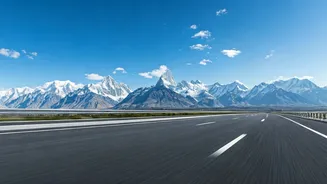
The Delhi-Dehradun Expressway heralds a new era of intercity travel, drastically reducing the journey from the national capital to the picturesque hills
of Dehradun. What once required a commitment of approximately six hours has been compressed into a mere two hours and fifty-five minutes. This remarkable transformation, validated by test drives, prioritizes passenger convenience and the efficiency of transit. The inauguration of this vital artery signifies a monumental leap in connectivity, ensuring that the 'long drive' is now a swift and manageable sprint, opening up new possibilities for weekend getaways and regular commutes.
Fares Take a Dive
In tandem with the reduced travel duration, a substantial reduction in bus fares has been implemented, making the journey even more appealing. This fare adjustment is a direct benefit stemming from the expressway's efficiency, leading to lower fuel consumption for transport operators. For those opting for premium Volvo services, the cost has dropped from Rs 945 to Rs 709, offering a saving of Rs 236. Travelers choosing AC class will now pay Rs 557, a decrease from the previous Rs 704, resulting in a saving of Rs 147. Even the ordinary bus services have become more economical, with fares lowered from Rs 420 to Rs 355, a saving of Rs 65. These significant cuts make travel more accessible and budget-friendly for everyone.
Engineering Marvel
Beyond its impact on travel time and cost, the Delhi-Dehradun Expressway stands as an impressive feat of engineering, designed for optimal performance and safety. The highway accommodates a high speed limit of up to 100 km/h, contributing to its swift transit capabilities. Its extensive route spans from Akshardham in Delhi, progressing through Loni, Baghpat, Baraut, Shamli, and Saharanpur before reaching Dehradun, featuring a width that varies between 6 to 12 lanes depending on the segment. A crucial addition is a 50.7 km spur that provides rapid access to Haridwar, cutting down travel time to that city to just about 2 hours from Delhi. Furthermore, the project incorporates a significant 12 km overhead bridge, recognized as the longest wildlife corridor in Asia, passing through the ecologically sensitive Rajaji National Park, ensuring the safe passage of wildlife.