







Battery Tech for All
A significant shift is underway in the electric vehicle sector, with a prominent automotive manufacturer set to integrate cutting-edge semisolid-state
batteries into its highly popular compact hatchback model, specifically targeting the European market. This strategic initiative is designed to make advanced battery capabilities, which have historically been exclusive to luxury electric vehicles, accessible to a much broader consumer base. By focusing on large-scale production, the company aims to accelerate the industrial adoption of this technology and drive down manufacturing expenses. This move signifies a pivotal moment for the electric vehicle industry, potentially setting a new standard for performance and affordability in the mass market and paving the way for more widespread EV adoption across the continent.
Safer, Longer-Lasting Power
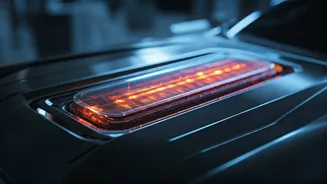
The introduction of semisolid-state batteries marks a considerable leap forward compared to current lithium-ion battery designs. These next-generation batteries boast superior energy density, meaning vehicles can travel further on a single charge. Furthermore, they are engineered with enhanced safety features and a substantially longer lifespan, capable of enduring more charge and discharge cycles. The core innovation lies in the electrolyte; instead of a fully liquid substance, these batteries utilize a semisolid material. This crucial difference significantly reduces the likelihood of dendrite formation, a common issue that can lead to battery failure, and greatly mitigates the risk of thermal runaway, a critical safety concern for electric vehicle owners. For automotive manufacturers and their research and development divisions, this advancement points towards the development of scalable powertrain systems that could fundamentally alter the existing supply chain structures within the electric and hybrid vehicle technology domain.
Affordable EV Expansion
In the face of an increasingly competitive European electric vehicle market, characterized by aggressive pricing strategies, this automaker's decision to equip its affordable compact hatchback with enhanced battery technology is a strategic masterstroke. The company has been aggressively expanding its presence throughout Europe and is actively investigating the possibility of establishing local manufacturing facilities. This move is intended to circumvent potential tariff issues and streamline logistical operations. By upgrading the MG4, already recognized as a budget-friendly electric car option, with batteries that offer improved range and performance without incurring a significant price increase, the company aims to strongly appeal to a diverse customer base, including fleet operators and business-to-business partners who prioritize a low total cost of ownership. This strategy directly supports their ambitious growth plans in the region.
Supply Chain Realignment
The implications for the automotive supply chain are profound and far-reaching. This manufacturer's approach relies heavily on established battery suppliers based in Asia, known for their high-volume production capabilities. This reliance could potentially disrupt the established positions of traditional European and North American automotive component manufacturers. Consequently, companies operating in the powertrain and battery materials sectors will need to adapt by investing in compatible battery chemistries and implementing rigorous new testing protocols. The testing and diagnostics sector, in particular, will experience a surge in demand for specialized equipment designed to accurately assess the performance of semisolid-state batteries under real-world driving conditions, including rapid charging scenarios and exposure to extreme temperature fluctuations.
Manufacturing Evolution
From a production standpoint, incorporating these advanced batteries necessitates upgrades to existing assembly lines within the automotive manufacturing and production operations sectors. The company's strategy of industrializing through sheer scale has the potential to reduce the cost per unit by an estimated 20-30%, a figure that could serve as a significant benchmark for rival manufacturers. Forge strong industry partnerships with battery technology developers will be absolutely essential, mirroring the collaborative ecosystems already thriving within China's electric vehicle landscape. This collaborative approach will be key to navigating the complexities of integrating novel battery technologies into mass-produced vehicles efficiently and cost-effectively.
Navigating Regulations
Compliance with evolving regulatory frameworks, particularly concerning safety and environmental standards within Europe, plays a crucial role. Innovations like semisolid-state batteries, which offer improved safety in the event of a collision and enhanced recyclability, are likely to be favored by these stringent regulations. Policymakers might further encourage the adoption of such advanced technologies through financial incentives. These advancements are particularly beneficial for connected and autonomous driving systems, where the unwavering reliability and performance of the battery are paramount to ensuring operational integrity and passenger safety, making them a key enabler for future mobility solutions.
Strategic Executive Focus
At the executive level, the drive for localized sourcing of components aligns with broader global trends observed in supply chain and logistics management. Research and development teams are strongly advised to closely monitor advancements in cathode material science, as the combination of nickel-rich formulations with semisolid electrolytes can significantly boost battery efficiency. Furthermore, the ongoing digital transformation within the IT and digital solutions space will play a vital role in enhancing battery management systems (BMS). The integration of artificial intelligence for predictive maintenance will ensure optimal battery health and performance throughout the vehicle's lifecycle.
Leading Future Designs
Looking ahead, this strategic deployment positions the manufacturer as a frontrunner in vehicle design and engineering, specifically focusing on the creation of advanced yet affordable electric vehicles. Other original equipment manufacturers (OEMs) and their suppliers should proactively assess potential partnerships to gain access to this transformative technology. Such collaborations could fundamentally reshape global electric vehicle supply chains and manufacturing paradigms. This development further underscores the significant influence of Asian innovation in the battery sector, acting as a powerful impetus for Western companies to accelerate their own research and development initiatives to remain competitive.