





Runway Closure Details
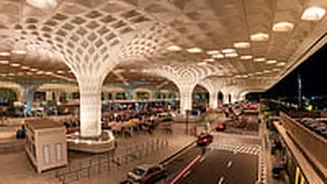
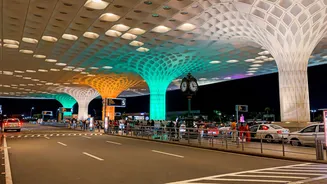
On a recent Thursday, Mumbai's Chhatrapati Shivaji Maharaj International Airport (CSMIA) ceased all air traffic operations for a critical six-hour period,
commencing at 11:00 AM. This unusual but necessary shutdown involved simultaneously taking offline both the primary 09/27 runway and the secondary 14/32 runway. The airport, a bustling hub handling over 1,000 flight movements daily and often functioning as a single-runway facility, experienced a complete halt to accommodate its annual pre-monsoon maintenance. This essential upkeep is designed to ensure the airport's infrastructure is robust and safe for the challenging monsoon season ahead, preventing potential disruptions caused by adverse weather conditions. The maintenance activities included critical tasks such as the removal of rubber deposits from the runway surfaces, thorough cleaning of drainage systems to prevent waterlogging, and vital repairs to the Instrument Landing System (ILS), crucial for safe landings in low visibility. Despite the runway closure, the airport's passenger terminals remained fully operational, allowing travelers to access amenities while awaiting the resumption of flights.
Airline Adjustments & Rebookings
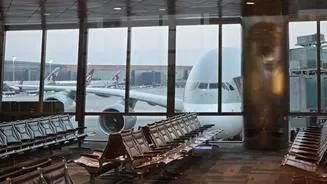
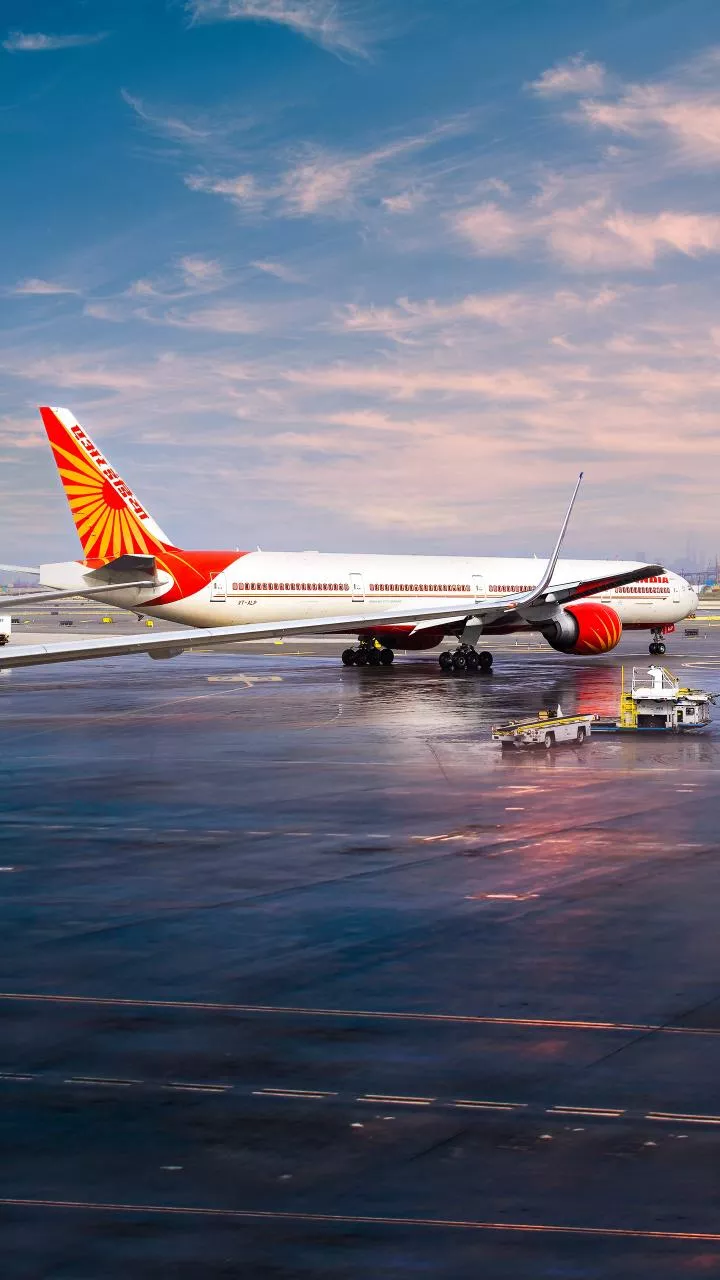
The temporary closure of Mumbai's airport runways necessitated immediate and significant adjustments from numerous international and domestic carriers. Airlines such as Emirates, British Airways, Air India, Qatar Airways, Lufthansa, and Singapore Airlines found themselves compelled to rework their flight schedules to mitigate the impact of the six-hour operational gap. Many flights were rerouted to alternate airports, with Pune, Ahmedabad, and Goa serving as diversion points for air traffic that could not be accommodated within the available time slots. For instance, Emirates proactively rebooked passengers onto earlier departure slots to ensure their flights departed before the 11 AM shutdown. British Airways strategically adjusted its outbound flight timings to guarantee timely departures ahead of the runway closure. Air India focused on modifying its domestic flight schedules to safeguard crucial international connections that might otherwise have been jeopardized by the disruption. This coordinated effort among airlines aimed to minimize passenger inconvenience and maintain operational continuity as much as possible under the circumstances.
Passenger Support & Waivers
In response to the inevitable flight disruptions caused by the runway maintenance, several airlines implemented measures to assist affected passengers and reduce the burden of rescheduling. Airlines recognized the potential for significant inconvenience and opted to offer flexibility and support. Lufthansa, for example, extended a customer-friendly policy, allowing passengers whose journeys were disrupted by the closure to reschedule their flights without incurring any additional fees. This waiver of change fees was a crucial step in appeasing travelers facing unexpected itinerary alterations. Singapore Airlines bolstered its customer service operations by deploying additional support staff at the airport. This increased presence was intended to manage the influx of queries, assist with rebooking processes, and provide real-time updates to passengers, ensuring a smoother experience amidst the operational changes. These proactive customer care initiatives highlight the airlines' commitment to managing the fallout from such essential, albeit disruptive, airport infrastructure work.