
The Caribbean Incident
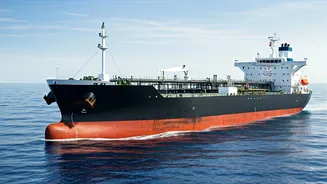
The US's seizure of an oil tanker in the Caribbean Sea constitutes a significant development in maritime operations. These seizures, often justified under
international regulations, are frequently linked to disputes over oil shipments and suspected violations of sanctions. Such actions often involve various agencies, including the Coast Guard, and are often carried out in international waters or areas of contention. The specific details of the recent tanker seizure, including the vessel's name, flag, and the exact reasons cited by US authorities, are critical to understanding the incident's context. The broader implications range from affecting oil prices to influencing relationships between nations. These maritime maneuvers are rarely isolated events; they usually reflect larger diplomatic or economic strategies.
Reasons Behind Actions
Multiple factors generally motivate the US's practice of seizing oil tankers. These actions frequently relate to enforcing international sanctions, particularly those affecting nations like Iran or Venezuela, where oil trades can occur. Suspected involvement in activities like illicit oil trading or violating environmental regulations are also possible triggers. Furthermore, such seizures can be part of efforts to curtail the funding of entities regarded as threats to US interests. The decision to seize a tanker can depend on a complex array of intelligence assessments, legal evaluations, and strategic considerations. The US, with its extensive naval assets and global reach, has positioned itself to assert its maritime laws, especially within regions it deems crucial to its national security and economic interests. This incident potentially reflects a wider pattern of asserting dominance in key sea routes.
Global Market Impact
These kinds of events often have direct consequences on the global oil market. Taking an oil tanker off the market, even temporarily, can influence oil prices, especially if the seized vessel carries a substantial amount of crude oil or refined products. The geopolitical tensions surrounding such events can also trigger price fluctuations. These fluctuations can be influenced by perceptions of supply disruption and the possibility of further actions or retaliatory moves. Moreover, these maritime actions affect the insurance and shipping industries. Increased risk premiums and potential disruptions to trade routes could result in long-term consequences that ripple through many industries. Oil-importing nations and end consumers are especially vulnerable to the economic impacts that can arise from these events.
Legal & Regulatory Frames
International law, including the Law of the Sea, establishes a framework for maritime operations and sets conditions for vessel seizures. The US often relies on this framework to legitimize its actions. These seizures often depend on the legal interpretations of international sanctions, which can be contentious depending on the nations involved. Another issue involves the jurisdiction of these actions, particularly in international waters or in zones claimed by various countries. The legal justifications for seizing oil tankers must be balanced against the necessity of preserving freedom of navigation and protecting the economic interests of all nations. The US's actions might also draw responses from the impacted nations, who may challenge the legal validity of the seizures, potentially leading to long-lasting disputes in international courts.
Broader Implications Examined
Beyond the immediate effects on the oil market, the US's seizure of the oil tanker can have significant geopolitical repercussions. These events sometimes serve as strong statements about US foreign policy objectives in areas of strategic importance. They may also affect alliances and relationships with other nations. These actions are seen as a signal to other players in the international arena, particularly those involved in similar practices. This can lead to a rise in tensions and a more assertive environment. The incidents can set a precedent, influencing how other countries approach maritime security and international law enforcement. The ongoing events could shape diplomatic efforts and could have a lasting impact on how nations interact within the complex realm of global trade and international relations.