

E20 Fuel Concerns
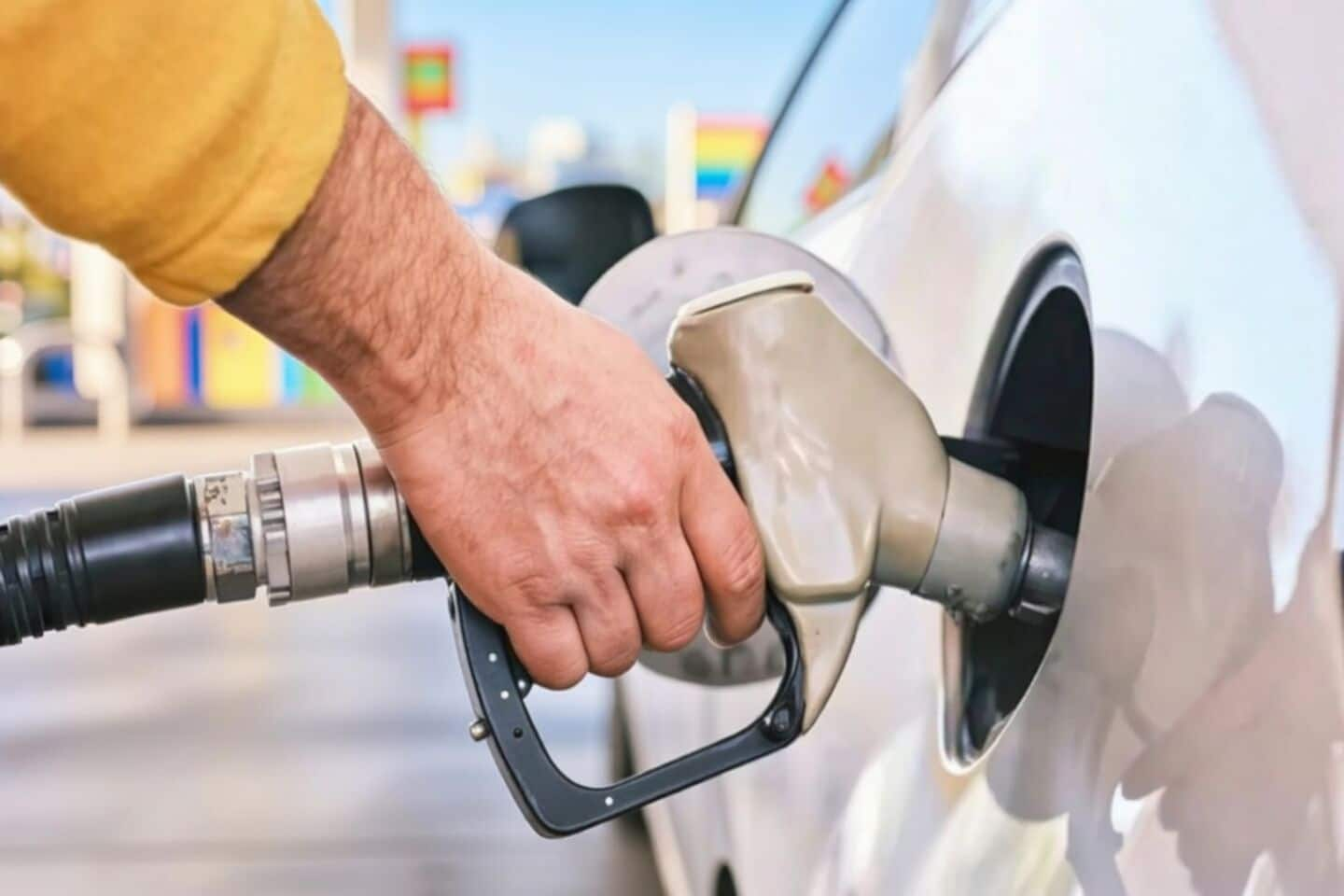
The recent government push towards E20 petrol, which contains 20% ethanol, has sparked significant anxiety among owners of older Royal Enfield motorcycles,
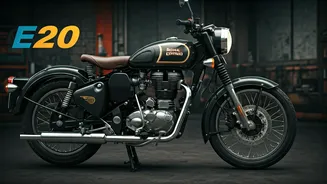
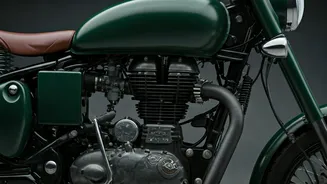
specifically those adhering to BS3 and BS4 emission standards. These classic machines, including beloved models like the Bullet 350, Classic 350, Electra, and Thunderbird, were not originally designed to handle the increased ethanol content. Ethanol is known to attract moisture and can be more chemically reactive than traditional gasoline. Over time, this can lead to deterioration of rubber components within the fuel system, causing them to become brittle, swell, or crack, ultimately impacting the engine's performance and longevity. This widespread concern prompted a need for a proactive solution from manufacturers to ensure these cherished motorcycles remain operational and reliable in the face of evolving fuel standards.
Royal Enfield's E20 Solution
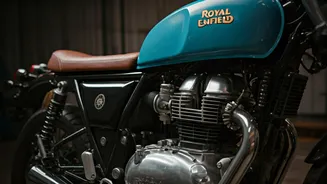
Royal Enfield has stepped in to address the E20 fuel compatibility issue for its older BS3 and BS4 models by offering specialized carburettor kits. For BS3 models, the E20-compliant carburettor is priced at approximately Rs 3,000, while the BS4 version comes in at around Rs 4,000. These revised kits incorporate enhanced seals, updated rubber parts, and modified internal components, all engineered to withstand the corrosive and moisture-attracting properties of E20 fuel. The company has also introduced updated injectors for the fuel-injected 500 cc models, available for Rs 2,500. These upgrades are crucial because the higher ethanol blend can negatively affect conventional fuel system materials, leading to premature wear and tear. The modified carburettor is specifically tuned to manage ethanol's characteristics, including its lower energy density which might lead to a slight increase in fuel consumption, although the primary goal is ensuring engine integrity.
Older Models Eligible
The primary focus of Royal Enfield's E20 fuel compatibility initiative is on their long-standing carbureted models. This includes iconic bikes such as the older versions of the Classic 350 and Bullet 350, alongside the Electra and Thunderbird series. These models, predating stringent emission norms, rely on carburettors for fuel delivery, which are more susceptible to degradation from ethanol blends. The provided kits are designed to directly replace or modify the existing carburettor setup, ensuring a seamless integration and a robust solution. While prices are subject to change, the investment is presented as a necessary step for owners who wish to continue using their classic Royal Enfields without compromising their mechanical health in the era of E20 petrol. The company's proactive approach aims to protect the legacy of these popular motorcycles.
BS6 Stage I & Other Brands
It's important to note that Royal Enfield has not yet announced any E20 fuel compatibility updates for its BS6 Stage I 650 cc motorcycles, which are currently designed for E10 fuel. The company's plans for future E20 compliance for these models remain undisclosed. In parallel, other manufacturers are also addressing the E20 transition. Bajaj Auto, for instance, offers a more budget-friendly approach for its BS3 and older engines. While their BS6-compliant bikes are already E20 ready, they suggest that using fuel system cleaners, available for about Rs 80-100 for a 40 ml bottle, can help mitigate the adverse effects of ethanol on older engines. These cleaners are accessible at fuel stations and service centers, providing an alternative for owners of various motorcycle brands who are concerned about E20 fuel's impact.