








AI-Powered Surveillance
In the lead-up to the Republic Day celebrations in 2026, the Delhi Police are gearing up to implement a sophisticated surveillance system. The core of
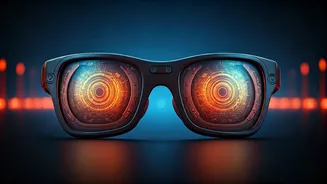
this system involves the deployment of AI-enabled smart glasses. These glasses are equipped with facial recognition capabilities, enabling them to scan and identify individuals within a crowd. The primary objective is to enhance security measures, focusing on the identification of potential threats among the large number of attendees expected at the event. The glasses will be connected to a database containing profiles of approximately 65,000 suspects. This allows the police to instantly cross-reference individuals in real-time. This technological advancement represents a significant step towards a more proactive approach to public safety and security management, offering an additional layer of protection.
Functionality and Technology
The smart glasses utilize cutting-edge technology, combining advanced optics with sophisticated AI algorithms. They work by capturing images of faces and comparing them against the pre-existing database. The system then analyzes various facial features, such as the distance between the eyes, the shape of the nose, and the structure of the jawline to determine a match. If a match is found, the system provides an alert to the wearer, notifying them of a potential suspect. This real-time identification allows the police to take swift and informed action. The AI algorithms are trained to operate efficiently in various lighting conditions and angles, providing reliable results. This ensures that the system is effective even in crowded environments. The integration of this technology showcases a modern approach to policing. It reflects the adoption of digital tools to safeguard large events.
Data and Database
The effectiveness of the AI-powered smart glasses relies heavily on the quality and comprehensiveness of the database. The Delhi Police's database contains information on about 65,000 suspects. This database includes individuals with prior criminal records, those who are under surveillance for suspicious activities, and those identified as potential threats. The data is constantly updated to include new information. This enhances the system’s accuracy. Strict protocols are in place to ensure the data’s security and privacy. The information is stored securely and accessed only by authorized personnel. The primary aim is to use the database as a tool to enhance public safety. It is also used to prevent potential incidents, while upholding the rights of individuals. The careful handling of data is a crucial aspect of this initiative. It is designed to ensure responsible and ethical technology usage.
Security Deployment Plan
During the Republic Day celebrations, the Delhi Police plans to strategically deploy the smart glasses. Officers will be equipped with these devices. They will be stationed at key locations. These locations include entry points, areas where large crowds gather, and along the parade route. This positioning will enable the police to quickly identify and monitor individuals. It helps to ensure that any potential threats are immediately detected. Additional support will come from a central command center, which will receive real-time data from the glasses and coordinate responses. The deployment strategy considers factors such as crowd density and potential vulnerabilities. These are addressed proactively. The deployment is designed to be unobtrusive. It is also designed to effectively deter any potential threats to public safety. This integrated approach highlights the police's commitment to creating a secure and protected environment.
Impact and Implications
The introduction of AI-powered smart glasses marks a significant evolution in policing methods. It demonstrates the ability to leverage technology to enhance security and improve response times. However, the deployment of this technology also raises important questions about privacy and civil liberties. Balancing the need for public safety with individual rights is a major consideration. The use of facial recognition technology has the potential to impact both individual freedoms and the community as a whole. The Delhi Police have to address these concerns. Their strategy is to ensure transparency and accountability in the use of this technology. This also includes educating the public about the capabilities and limitations of the system. The goal is to build trust and foster understanding. This encourages a responsible and ethical implementation of AI technologies in law enforcement.