
Essential Jacket Features
When selecting a winter jacket, several crucial features should be considered to ensure both warmth and comfort. First, insulation is vital; options include
down, synthetic materials, and wool blends, each offering different levels of warmth and breathability. Down jackets are known for their superior warmth-to-weight ratio, while synthetic alternatives are often more affordable and maintain their insulating properties even when wet. The jacket's outer shell is equally important, offering protection against wind, rain, and snow. Look for water-resistant or waterproof materials, such as nylon or polyester, with a durable water repellent (DWR) finish. Features like a hood, adjustable cuffs, and a secure zipper are also beneficial in blocking out the elements. Moreover, the fit of the jacket impacts comfort and mobility; it should allow for layering without feeling restrictive, ensuring warmth while moving freely.
Types Of Winter Jackets
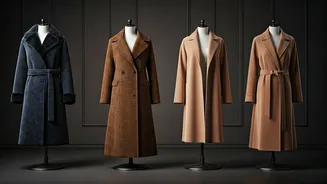
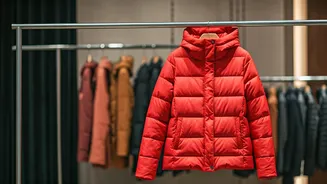
There's a wide range of winter jackets available, each designed to meet different needs and preferences. Parkas are a classic choice, offering extensive coverage with a long length and often featuring a fur-lined hood for added warmth. They typically use down or synthetic insulation and a water-resistant outer shell, making them suitable for harsh winter conditions. Puffer jackets, characterized by their quilted design, are another popular option. These jackets provide excellent insulation due to the pockets of air trapped within the quilted sections. They come in various lengths and styles, from short, sporty designs to longer, more elegant options. For milder winters or as layering pieces, insulated vests are ideal. These offer core warmth while allowing for greater arm mobility. They can be paired with sweaters or long-sleeved shirts. Lastly, trench coats or wool coats can be considered stylish options, though they may require strategic layering to provide sufficient warmth in very cold weather.
Smart Layering Techniques
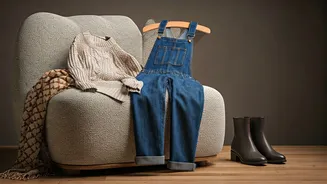
Smart layering is essential for maximizing warmth and adaptability in winter weather. The layering system typically consists of three main components: a base layer, a mid-layer, and an outer layer. The base layer, often made from moisture-wicking materials like merino wool or synthetic fabrics, helps to draw sweat away from the skin, keeping you dry and comfortable. The mid-layer, which includes fleece jackets, sweaters, or insulated vests, provides insulation to trap body heat. The thickness of the mid-layer can be adjusted depending on the weather conditions. The outer layer, typically a waterproof and windproof jacket, protects against the elements. Consider adding accessories, such as scarves, hats, and gloves, which are crucial for trapping heat and protecting exposed skin. Choosing items that can be easily added or removed allows for adjustments throughout the day. This layered approach ensures that you can regulate your body temperature and stay comfortable in various winter conditions.
Everyday Style Choices
Winter jackets can be both functional and fashionable; various styles cater to different tastes and occasions. For everyday wear, consider versatile options that can be paired with various outfits. A classic parka in a neutral color, such as black, navy, or olive, is a practical and stylish choice that complements most wardrobes. Alternatively, a puffer jacket in a vibrant color or with a unique design can add personality to your look. When choosing a jacket for work or more formal settings, opt for a tailored wool coat or a sophisticated trench coat. Pair it with a scarf and gloves to enhance the overall aesthetic. Consider the overall style of your outfits, and select a jacket that complements your personal fashion sense. Experimenting with different lengths, colors, and textures can help you find the ideal winter outerwear that expresses your unique style.
Care and Maintenance
Proper care and maintenance of your winter jackets extend their lifespan and ensure continued performance. Always check the care label on your jacket before washing it. Down jackets often require special care, such as washing with a down-specific detergent and tumble drying on low heat with dryer balls to restore loft. Synthetic jackets are generally easier to care for; they can often be machine-washed and dried on low heat. Regularly spot-clean stains and spills as soon as they occur to prevent them from setting. When not in use, store your jacket in a cool, dry place, away from direct sunlight, to prevent fading and material degradation. Avoid hanging heavy jackets for extended periods, as this can stretch the shoulders; fold them instead. Periodically reapply DWR to maintain the water resistance of your outer shell. With proper care, your winter jackets will continue to provide warmth and protection for many seasons.