







Brake Warning Light
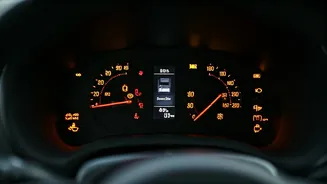
The brake warning light is often a red circle with an exclamation point inside or the word 'BRAKE.' This light illuminates for several reasons, and it's
essential to address it immediately. It could signal a problem with the parking brake, low brake fluid, or a more serious brake system issue. If the light comes on while driving, safely pull over and inspect the situation. Check brake fluid levels, and if the light remains on or there's a noticeable decrease in braking performance, avoid driving and seek professional assistance promptly. Ignoring this light can lead to significantly reduced braking ability, increasing the risk of accidents.
ABS Warning Light
The ABS (Anti-lock Braking System) warning light, typically an 'ABS' symbol within a circle, signals a malfunction in the anti-lock braking system. This system prevents the wheels from locking up during hard braking, allowing the driver to maintain steering control. If this light illuminates, the ABS may not function correctly. While your regular brakes will still work, the ABS feature, which prevents skidding, won't be operational. It's advisable to have the ABS checked by a mechanic as soon as possible. Driving without ABS increases the chance of losing control during emergency braking situations, especially on slippery surfaces.
Oil Pressure Light
The oil pressure light, often an oil can symbol, is one of the most critical warning lights. When this light illuminates, it indicates low oil pressure in the engine. This can be due to a lack of oil, a faulty oil pump, or a leak. Low oil pressure means inadequate lubrication, which can cause severe engine damage, including seizing. If the oil pressure light comes on, immediately pull over to a safe location and turn off the engine. Check the oil level and add oil if necessary. If the light persists even after adding oil, do not drive the vehicle; call for assistance to prevent irreversible engine damage.
Engine Temperature Light
The engine temperature light, typically a thermometer symbol, alerts you to an overheating engine. This could be caused by coolant leaks, a malfunctioning thermostat, or a failing water pump. If the engine overheats, it can lead to significant internal damage. If this light illuminates, immediately stop the vehicle in a safe spot and turn off the engine. Allow the engine to cool down before attempting to check coolant levels, as opening the radiator cap while hot can be dangerous. Overheating can cause warping of engine components, such as the cylinder head, resulting in costly repairs.
Airbag Warning Light
The airbag warning light, often an image of an inflated airbag or the letters 'SRS,' indicates a problem with the airbag system. This system is designed to deploy airbags during a collision to protect occupants. If the light is on, the airbags might not deploy in an accident. The causes can range from faulty sensors to electrical issues. Ignoring this light compromises your safety, as airbags are critical safety features. Have the system inspected by a qualified technician to ensure your safety in the event of a collision.
Engine Check Light
The engine check light, also known as the 'check engine' light, illuminates for a multitude of reasons. It's often a symbol of an engine block or the phrase 'check engine.' It could signify anything from a loose gas cap to a more serious engine problem. It's best to have the car diagnosed with a diagnostic tool to pinpoint the cause. Delaying diagnosis can sometimes lead to more severe and costly repairs. While the car may continue to run, ignoring the check engine light could lead to reduced fuel efficiency, increased emissions, and potential engine damage over time. Take it seriously, and address the underlying issue.
Battery Warning Light
The battery warning light, resembling a battery symbol, signals a problem with the charging system. This system includes the battery, alternator, and associated wiring. The light could illuminate if the battery is not charging correctly due to a faulty alternator or a loose connection. Driving with this light on will eventually drain the battery, leaving you stranded. If the light appears, first check battery connections. If the light persists, the alternator might need attention. The battery provides power to start the vehicle, and the alternator recharges it. A failing alternator can also cause other electrical problems.