






Engine Temperature Light
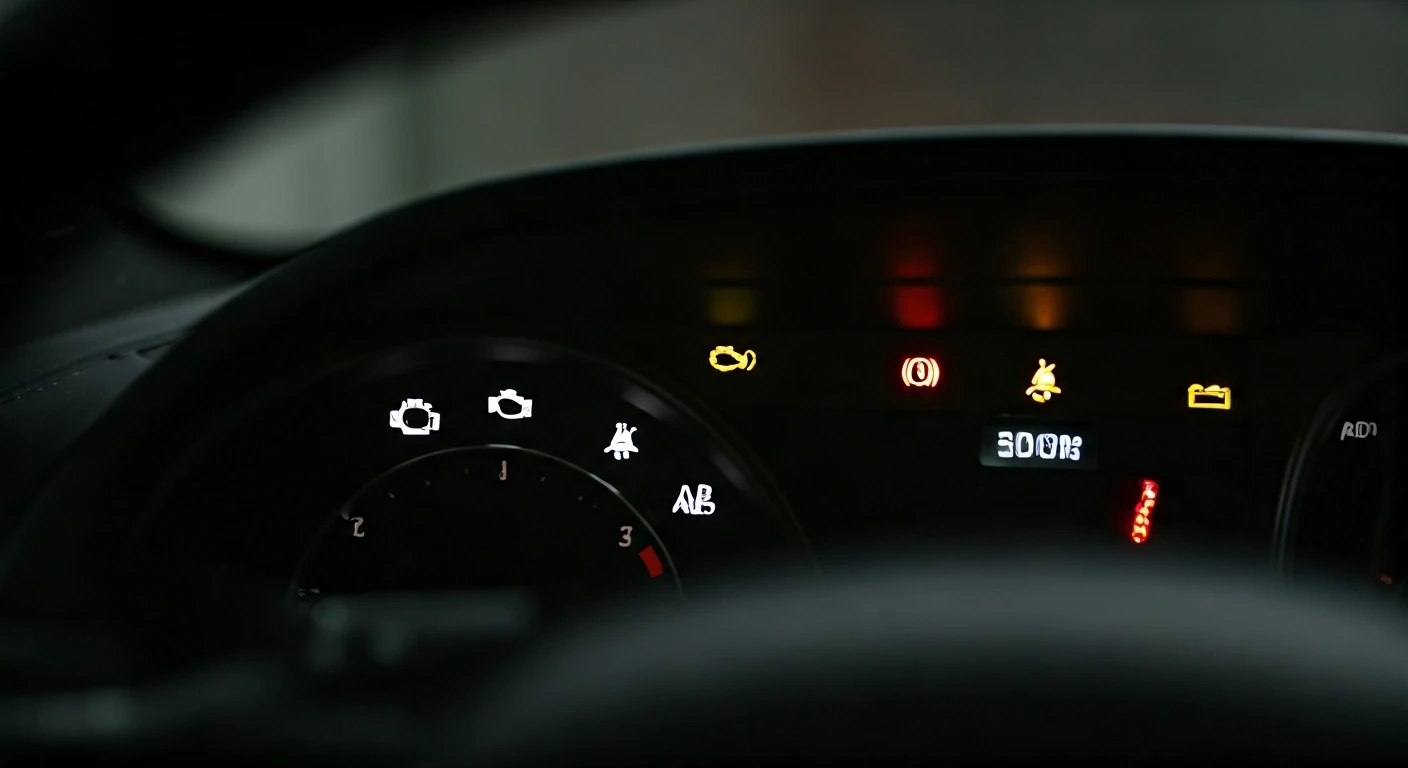
The engine temperature light, often resembling a thermometer, is a crucial indicator of your engine's health. When this light glows red, it signals that
your engine is overheating, a potentially dangerous situation that can lead to severe damage. Overheating can stem from various causes, including low coolant levels, a malfunctioning water pump, or a blocked radiator. If the engine temperature light comes on, it's vital to pull over safely as soon as possible and turn off the engine to allow it to cool down. Ignoring this warning can cause serious, expensive damage, such as a cracked engine block or warped cylinder heads. Regular coolant level checks and timely maintenance can help prevent this issue from occurring. Make sure to keep your coolant levels in a suitable range and keep an eye on this light to ensure your car is in good condition.
Brake Warning Light
The brake warning light, often displaying an exclamation mark inside a circle or the word "BRAKE," indicates a problem within your braking system. This light can signify multiple issues, the most common being that the parking brake is engaged, but it can also reveal low brake fluid levels or a more serious problem like a brake system failure. If the light illuminates while you're driving and the parking brake isn't engaged, it's crucial to check your brake fluid. Low fluid levels might suggest a leak or worn brake pads. Regardless of the cause, it's advisable to have your brakes checked by a qualified mechanic to ensure your safety on the road. Do not ignore this light as it may mean there is a serious malfunction within your brakes.
ABS Warning Light
The ABS (Anti-lock Braking System) warning light, typically the letters "ABS" inside a circle, signals a malfunction in the anti-lock braking system. This system prevents your wheels from locking up during hard braking, allowing you to maintain steering control. If this light turns on, your regular braking system will still function, but the ABS will be disabled. While you can still drive, it's best to have the ABS checked as soon as possible. A faulty ABS can impact your ability to steer during emergency stops. The issue might range from a sensor problem to a more complex issue with the ABS module. This light appearing means you should take your car to a mechanic to get it checked out.
Oil Pressure Light
The oil pressure light, often an oil can, is a crucial indicator of your engine's lubrication system. If this light illuminates, it means your engine's oil pressure is too low, signaling a potential problem that could lead to severe engine damage. Low oil pressure can be caused by various issues, including a leak, a faulty oil pump, or low oil levels. Immediately stop the vehicle and check the oil level. Adding oil might solve the problem if the oil level is low. If the light remains on even after adding oil, do not drive the car; have it towed to a mechanic. Driving with low oil pressure can result in catastrophic engine failure, costing thousands of rupees to repair. Protect your engine by responding quickly to this warning light.
Airbag Warning Light
The airbag warning light, often a person with a seatbelt and a circle in front, indicates a problem with the airbag system. This light can indicate a fault in any part of the airbag system, including the airbags themselves, the sensors, or the control module. If this light is on, your airbags might not deploy in a crash, putting you and your passengers at increased risk of injury. It is critical to have this issue inspected by a professional as soon as possible. Delaying this can leave you at risk. Airbags are a crucial safety feature. Address the light without delay.
Battery Warning Light
The battery warning light, commonly resembling a car battery, indicates a problem with your car's charging system. This light illuminates when the battery isn't receiving a charge, often due to a faulty alternator or a loose or damaged cable. A malfunctioning charging system can lead to the battery draining, leaving you stranded. If the battery light turns on, check the battery terminals for corrosion and ensure the drive belt is properly connected. If the light remains on, it is best to have your car inspected by a mechanic. Addressing the issue early can prevent a dead battery and the inconvenience of a breakdown. The appearance of this light is a warning that something is wrong with your car’s charging system.