
Energy Security Imperative
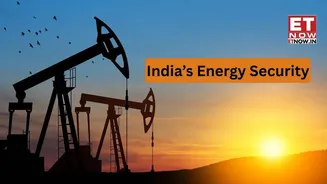
India's drive to secure its energy supplies is a crucial factor in its foreign policy. The nation's ever-growing economy requires a constant and reliable
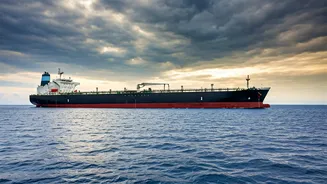
source of oil to fuel its expansion and societal development. This necessitates securing oil imports from various sources, making the nation less dependent on any single country. India's engagement with Russia and Venezuela is a strategic move to diversify its supply chains and counter the price volatility and geopolitical risks associated with relying on single-source suppliers. This strategy not only focuses on economic security, but also on strengthening India's resilience to external pressures, allowing it to maintain its strategic autonomy in energy matters and the wider world. By diversifying, India gains the flexibility to navigate complicated international relations and ensure its energy needs are met.
Russia-India Oil Partnership
The alliance between India and Russia has increased significantly, particularly since the imposition of Western sanctions on Russia. This partnership provided India with an opportunity to acquire oil at discounted prices. This arrangement is mutually beneficial, giving Russia an outlet for its oil exports while providing India with affordable energy. This has become a strategic advantage for India, helping it maintain a stable economy during a period of global price fluctuations. The deal, however, is not without its difficulties, as India needs to be very cautious of sanctions-related risks and associated regulatory hurdles. These logistical and financial challenges require a very thoughtful approach to ensure that transactions are compliant and seamless. The India-Russia oil deal is an example of India's skill in navigating complicated international relations to maintain its energy security.
Venezuela's Role in Oil
India also has a history of strategic ties with Venezuela, another nation with significant oil reserves. This relationship reflects India's ongoing efforts to diversify its oil import sources and cut reliance on specific markets. Cooperation with Venezuela, though often challenged by its own issues and geopolitical pressures, gives India another avenue to secure its energy needs. The collaboration could involve not only the purchase of crude oil but also technological assistance and investments in the Venezuelan oil infrastructure. This multifaceted cooperation helps India build strategic partnerships, but also strengthens its position as an important participant in the global oil market. India needs to navigate the difficulties with careful consideration and proactive planning in order to successfully benefit from the oil resources and foster greater international cooperation, and to guarantee mutually beneficial relations.
Navigating Geopolitical Complexities
India's engagement in the global oil market is a multifaceted strategy, affected by geopolitical tensions and sanctions. The nation has to carefully navigate the complex web of international politics and economic challenges to secure its energy supplies. Relationships with both Russia and Venezuela, while strategically valuable, involve complex challenges. India must consider the ramifications of international sanctions, trade restrictions, and potential diplomatic reactions. The key to India's success lies in balancing its strategic needs with its commitment to international norms and economic stability. By embracing a flexible and resilient strategy, India will be able to manage the challenges and strengthen its position as a major player in the global oil market.
Future Outlook for India
Looking ahead, India's energy strategy will continue to evolve, influenced by global events and domestic objectives. The country is expected to continue strengthening its relationships with traditional partners such as Russia and Venezuela while exploring new options to diversify its energy mix. India's focus on renewable energy and energy efficiency will also play a key role in its long-term strategy. Investments in renewable resources are crucial for reducing its dependence on fossil fuels and lowering its carbon footprint, helping in achieving the nation's climate goals. The path forward for India will require a balancing act. It is about maintaining a stable, accessible supply of energy while also adapting to the evolving global energy market and addressing environmental issues. This strategy will determine India's economic and strategic standing in the coming years.