





Exterior Evolution
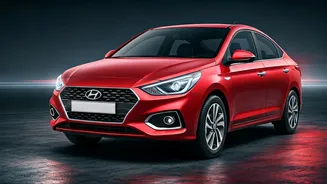
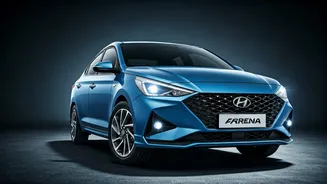
The latest Verna facelift introduces a series of understated aesthetic refinements rather than a radical transformation. At the forefront, a revised dark
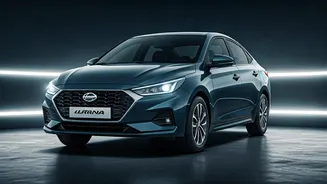
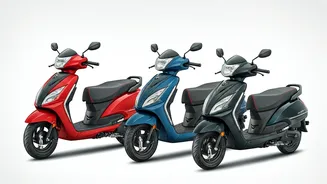
chrome grille now complements redesigned LED projector headlamps, housed within a cleaner glass enclosure. The front bumper has been subtly reshaped, featuring more pronounced contours that contribute to a wider visual presence. The signature connected LED Daytime Running Light strip remains consistent, with the brand's emblem continuing its placement on the bonnet. Along the flanks, updated 16-inch alloy wheels introduce a fresh design element. The rear of the vehicle sees minimal alterations, primarily comprising a revised bumper incorporating silver trim accents and diffuser detailing. The distinctive connected LED taillamps, complete with pixel-styled illumination, are carried over. Additionally, buyers now have the option to choose from two new exterior color palettes: Classy Blue and Titan Grey Matte, offering new personalization choices.
Interior Refinements
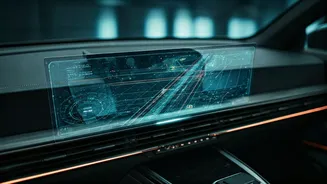
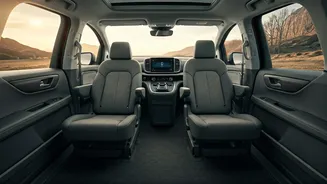
Stepping inside the refreshed Verna, the familiar dual-tone black-and-white cabin theme is preserved, maintaining a sense of continuity. The dashboard's fundamental layout remains unchanged, elegantly integrating twin 10.25-inch displays that serve for both the infotainment system and the driver's instrumentation. A notable enhancement is found in the digital cluster, which now boasts updated graphics for a more modern feel. A new three-spoke steering wheel, reminiscent of designs seen in other brand models like the Venue and Ioniq 5, introduces a touch of contemporary flair with its 'H' logo stylized in a Morse code pattern. To elevate passenger comfort, the cabin now features an 8-way power-adjustable driver's seat and a 4-way powered seat for the front passenger. Essential comfort features like ventilated front seats are retained, and rear passengers will appreciate the addition of a center armrest for added convenience during journeys.
Feature and Safety Upgrades
A significant highlight of this Verna update is the introduction of advanced safety technology, including segment-first Advanced Driver-Assistance Systems (ADAS) level 2 capabilities. This comprehensive suite of features enhances driver awareness and contributes to a safer driving experience. The safety enhancements also include an increase in the number of airbags from six to seven, providing an additional layer of protection. Higher trim levels are now equipped with a 360-degree camera system, significantly improving visibility during low-speed maneuvers and parking. On the convenience front, the facelift adds a memory function for the driver's seat, allowing users to save their preferred seating position, and introduces a 'boss mode' for the front passenger seat. This innovative feature empowers rear occupants to adjust the front passenger seat, offering greater flexibility and comfort for all occupants.
Pricing and Variants
The 2026 Verna facelift is positioned with an ex-showroom price range spanning from Rs 10.98 lakh to Rs 18.25 lakh. This pricing structure indicates an upward adjustment compared to the previous model, with the entry-level variant experiencing an increase of approximately Rs 18,000. The top-tier variant sees a more substantial price hike, estimated at around Rs 1.1 lakh. In line with brand strategy, Hyundai has also updated the variant nomenclature to align with other models like the Venue, introducing designations such as HX2, HX4, HX6, HX6+, HX8, and HX10. This revised lineup aims to streamline the model offerings. The Verna continues its competitive stance in the market, facing strong contenders such as the Skoda Slavia, Volkswagen Virtus, and Honda City.
Powertrain Continuities
From a mechanical standpoint, the Verna facelift maintains its existing powertrain options, ensuring that performance characteristics remain largely consistent with the outgoing model. Customers can choose between two capable petrol engines. The first is a 1.5-litre naturally aspirated petrol engine delivering 115 horsepower, offering a balanced blend of efficiency and power. For those seeking more dynamic performance, a 1.5-litre turbo-petrol unit is available, producing a robust 160 horsepower. Both engine options are offered with a standard 6-speed manual transmission, providing an engaging driving experience. Additionally, the naturally aspirated engine can be paired with a Continuously Variable Transmission (CVT) for smoother automatic shifts, while the more powerful turbo-petrol engine provides the option of a 7-speed dual-clutch automatic gearbox for swift and responsive gear changes.