




Relief for Busy Arteries
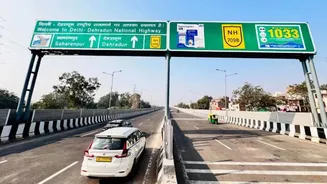
The recently inaugurated Delhi-Dehradun Expressway is poised to bring substantial relief to some of Delhi's most congested roadways, namely NH-44 and the
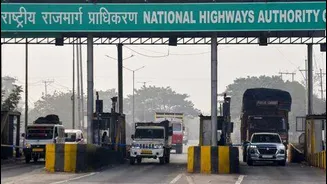
traditional Delhi-Meerut Road. These routes have long been plagued by persistent traffic gridlock, impacting daily commuters and freight movement. With the strategic implementation of bypasses integrated into the expressway's design, a significant volume of intercity and transit traffic is now being rerouted. This diversion is expected to create a much smoother and more efficient flow of vehicles across the entire region. Authorities anticipate a noticeable improvement in travel times and a reduction in the frustrating delays that have become commonplace for those using these vital corridors, especially during peak hours of travel. This infrastructural enhancement is a direct response to the growing traffic demands and aims to improve the overall commuter experience significantly.
Bypassing Delhi's Limits
A key benefit of the new Delhi-Dehradun Expressway is its ability to allow travelers originating from Haryana, specifically from areas like Yamunanagar, Ambala, and Saharanpur, to reach Dehradun without needing to traverse through the heart of Delhi. This strategic bypass is designed to significantly reduce the influx of trucks and private vehicles into the capital, particularly impacting the northern and eastern parts of the city. Traffic management officials estimate a considerable reduction in peak hour congestion, potentially falling between 30% to 40%, which translates to substantial time savings and a less stressful commute for millions. This feature ensures that inter-state traffic heading towards Uttarakhand bypasses urban bottlenecks, thereby easing the strain on Delhi's internal road network.
Swift Journey Achieved
Beyond merely easing congestion, the Delhi-Dehradun Expressway has dramatically slashed the travel duration between the national capital and the popular hill station of Dehradun. Journeys that once consumed approximately four to five hours can now be completed in a remarkably shorter period of about 2.5 hours. This impressive reduction in travel time is a direct result of the expressway's optimized alignment and the elimination of numerous choke points that previously hampered progress. The enhanced route promises not only speed but also a more comfortable and considerably less taxing travel experience for all passengers, making weekend getaways and business trips more feasible and enjoyable.
Engineering Marvel Details
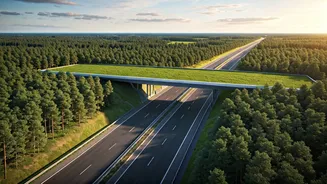
The expansive Delhi-Dehradun Expressway spans a total of 210 kilometers, with a notable 32 kilometers of its length passing through the Delhi region, connecting crucial entry and exit points such as Anand Vihar and Kashmere Gate ISBT. Constructed as a modern, six-lane highway, it is engineered to accommodate speeds of up to 100 kilometers per hour. To ensure seamless traffic movement, the design incorporates 19 underpasses and six overpasses, effectively eliminating cross-traffic interference. Furthermore, a dedicated green corridor has been thoughtfully integrated into the route, providing a safe passage for wildlife, underscoring a commitment to ecological balance alongside infrastructure development.
Economic and Environmental Gains
The operational efficiency of the Delhi-Dehradun Expressway translates into significant economic and environmental advantages. With fewer traffic disruptions and smoother journeys, vehicles are expected to achieve substantially improved fuel efficiency, with officials projecting savings of up to 19%. This boost in economy is a direct consequence of reduced stop-and-go traffic and potentially shorter overall distances covered. Environmentally, the benefits are equally compelling. Experts highlight that traffic congestion contributes significantly to Delhi's air pollution, with estimates suggesting up to 40% of vehicular pollution and dust emissions are linked to traffic snarls. By enabling more consistent speeds and cutting fuel consumption, the expressway is set to lower carbon emissions, potentially reducing PM 2.5 levels by 15-20% in areas like Anand Vihar, which are often susceptible to high pollution.
Project Timeline and Investment
The ambitious Delhi-Dehradun Expressway project, initiated in 2018, reached its completion by April 2026, overcoming various construction hurdles throughout its development phase. The total financial outlay for this significant infrastructure undertaking is estimated to be around Rs 12,000 crore. This substantial investment has yielded a transformative transportation corridor that fundamentally alters traffic patterns in and around Delhi. By effectively diverting vehicles away from overburdened routes such as NH-44 and the older Delhi-Meerut Road, the expressway delivers on its promise of faster commutes, reduced operational costs for vehicles, and a tangible decrease in the pervasive congestion that has long characterized the region.