
Solar Maximum Explained
The Sun's activity isn't constant; it follows an approximately 11-year cycle, shifting from periods of high solar activity (solar maximum) to low activity (solar minimum).
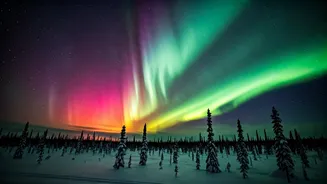
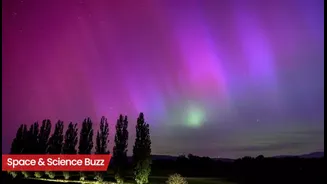
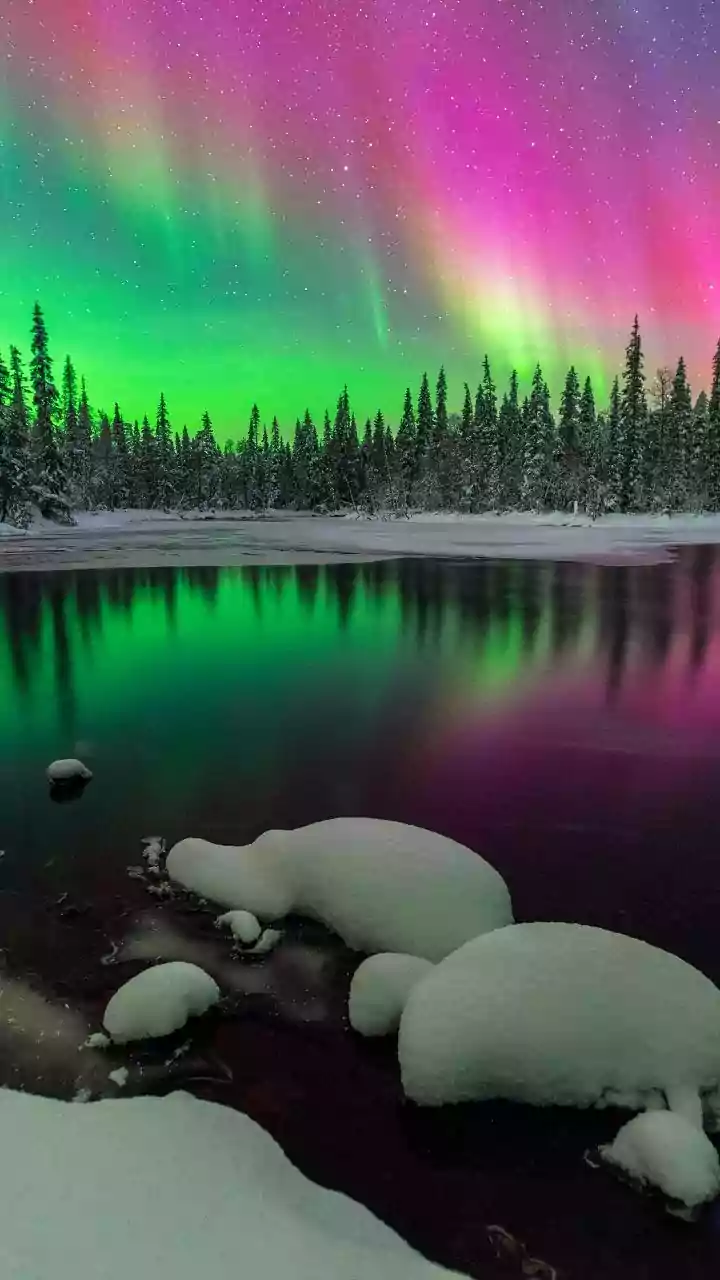
During the solar maximum, the Sun's magnetic field becomes more complex, resulting in increased sunspots, solar flares, and coronal mass ejections (CMEs). These events are crucial for generating auroras. As the sun’s activity increases, it sends out more charged particles into space. When these particles reach Earth, they interact with our planet's magnetic field and atmosphere. This interaction then creates the stunning auroral displays we know as the Northern Lights and Southern Lights. The more intense the solar activity, the more frequent and vibrant the auroras become, reaching further towards the equator. This means that 2026 is predicted to be an exciting time for aurora watchers worldwide.
Why 2026 Matters
The upcoming solar maximum in 2026 is generating significant buzz because it's predicted to be unusually active. Scientists are suggesting that the intensity of the solar storms could be higher than in recent cycles. This heightened activity translates into the potential for more frequent and breathtaking auroral displays. The energy released during solar flares and CMEs sends massive amounts of charged particles towards Earth. The amount of energy released during these events directly correlates with the brightness and extent of the auroras. This could mean more chances to see the Northern Lights further away from their usual locations. People in areas that don't typically see the auroras might have opportunities to witness them, making 2026 a must-watch year for sky enthusiasts. In particular, this heightened solar activity could bring more frequent and vibrant displays.
Viewing Tips & Locations
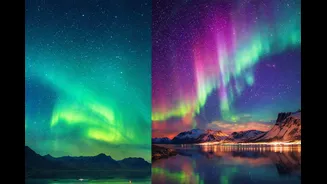
To maximize your chances of seeing the Northern Lights in 2026, planning is key. The best locations for viewing are those with minimal light pollution and clear skies. Remote areas away from city lights are ideal. Consider regions like Iceland, Norway, Canada, and Alaska, which are situated under the auroral oval, offering a high probability of sightings. Checking the aurora forecasts is crucial. Various websites and apps provide real-time updates on solar activity and auroral predictions. These resources help to identify the best viewing times and locations. Being patient and prepared for potential weather changes is also important. Auroras are often visible during the darkest hours of the night, so having warm clothing and comfortable equipment will enhance the viewing experience. Also, the best time to see the lights is generally between 10 PM and 2 AM. The use of a camera capable of long exposures is essential for capturing the beauty of the auroras.
Impact Beyond Beauty
While the prospect of stunning auroras is exciting, increased solar activity also carries potential downsides. Strong solar flares and CMEs can disrupt satellite communications and power grids on Earth. The charged particles can interfere with the electronics in satellites, potentially leading to communication blackouts. Intense solar storms can also cause geomagnetic disturbances, affecting the stability of power grids. Power outages can result from surges in electrical systems. Therefore, space weather forecasting and mitigation efforts are important to minimize the negative impacts. Scientists and engineers are constantly monitoring the sun's activity and developing strategies to protect critical infrastructure. Understanding these risks helps to prepare for and minimize potential disruptions. The enhanced solar activity in 2026 serves as a reminder of the interconnectedness of Earth and space.