




Electric Vehicle Evolution
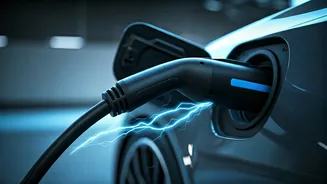
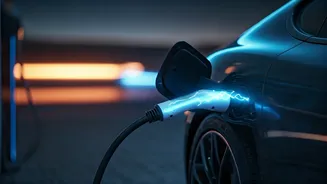
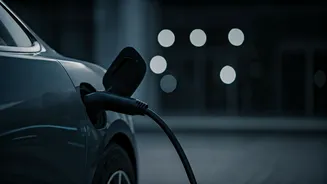
The electric vehicle (EV) segment has moved beyond being just a niche market and is rapidly becoming mainstream, attracting attention from both consumers
and major automakers. Several elements are fueling this growth, including heightened environmental awareness, government regulations promoting EVs, and advancements in battery technology that provide increased range and reduced charging times. The models available have increased, presenting buyers with diverse choices spanning compact city cars to luxurious SUVs. Simultaneously, charging infrastructure is expanding, although its coverage still varies geographically, with continued investments to enhance its accessibility and convenience. The shift towards EVs also encourages innovations in related fields, such as renewable energy sources to power charging stations and the development of more efficient electric motors and vehicle management systems. This transition is not only reshaping the automotive landscape but also stimulating a more sustainable and environmentally conscious ecosystem.
Driver-Assist Systems
Advanced Driver-Assistance Systems (ADAS) are increasingly prevalent in new vehicles, with manufacturers working to enhance safety and improve the driving experience. These systems utilize sensors, cameras, and radar to provide features like adaptive cruise control, lane-keeping assist, and automatic emergency braking. They offer assistance to drivers in various situations, reduce the likelihood of accidents, and decrease driver fatigue. The sophisticated technology behind ADAS continues to develop, incorporating artificial intelligence and machine learning to improve performance and decision-making capabilities. Autonomous driving features are increasingly being integrated, promising to take a step further towards fully self-driving cars. However, as ADAS features become more complex, discussions about safety, reliability, and ethical considerations surrounding autonomous driving technology continue. The ethical implications and regulatory frameworks will significantly influence how these systems are implemented and managed.
Design and Aesthetics
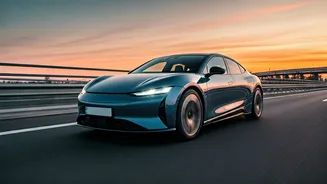
Automotive design is experiencing a renaissance, marked by a fusion of aesthetics and functionality. Contemporary car designs are shaped by aerodynamics, emphasizing sleek, streamlined shapes that enhance efficiency and performance. Furthermore, customization options are expanding, with customers getting more freedom to personalize their vehicles through diverse paint colors, trim materials, and technology integration. Interior designs are also evolving, shifting toward minimalist designs with intuitive interfaces. Manufacturers are focusing on crafting spacious, comfortable cabins that improve user experience. The use of sustainable materials is growing, aligning design with environmental concerns. This evolution reflects a changing consumer preference, placing emphasis on both style and eco-friendliness. The convergence of these trends helps the automotive industry to deliver more appealing, user-friendly, and sustainable vehicles.
Shifting Consumer Preferences
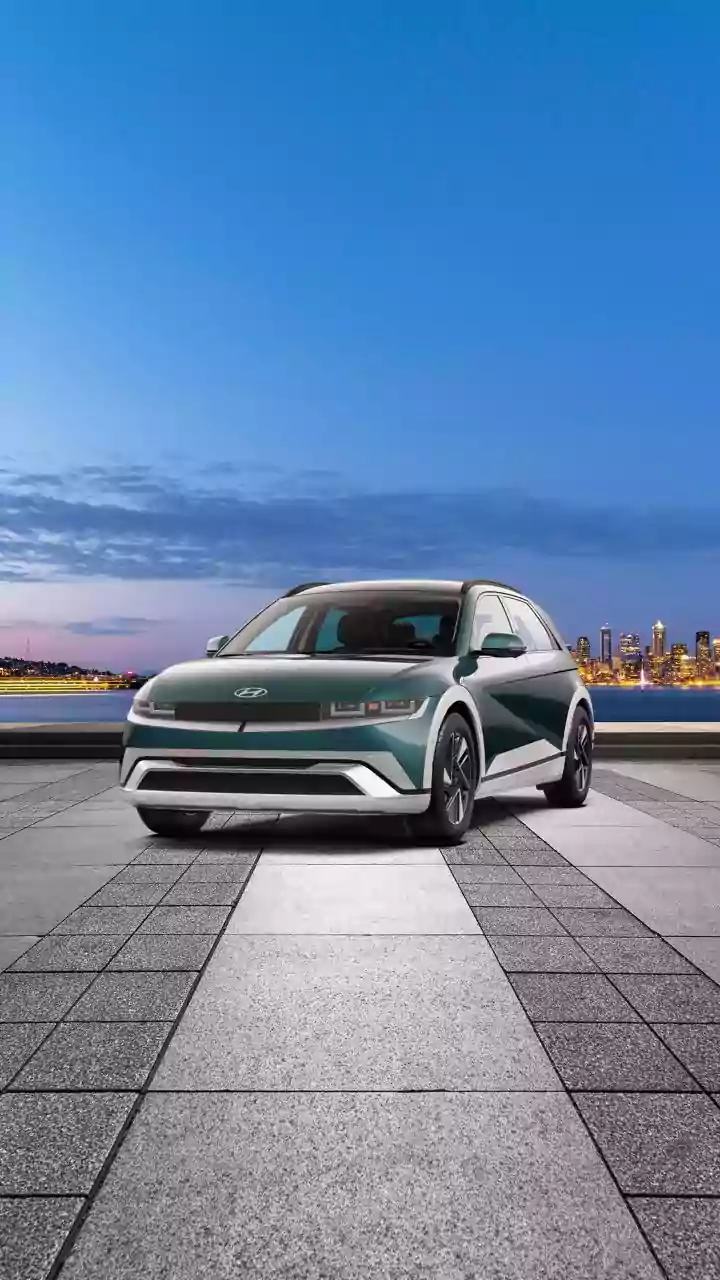
Consumer preferences are evolving, influencing the direction of the automotive industry. A significant change is the growing demand for SUVs and crossover vehicles, which have become a mainstay of the market due to their practicality, spaciousness, and commanding driving positions. Furthermore, consumers now put more value on technology integration, demanding infotainment systems, connectivity features, and smartphone integration. There is also an increasing focus on vehicle sustainability, pushing buyers to consider fuel efficiency, hybrid, or electric vehicle options. The desire for connected car features, like over-the-air updates and remote vehicle management, demonstrates the shift towards digital experiences within the automotive realm. These evolving consumer preferences are causing manufacturers to adapt their product strategies to meet current demands, making them more competitive in the market.