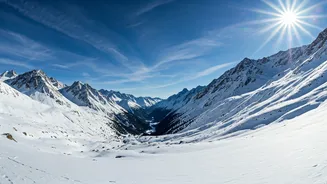

Unveiling Drass' Charm
Drass, often dubbed 'The Gateway to Ladakh,' holds the distinction of being India's coldest inhabited place. Situated in the Kargil district of Jammu and
Kashmir, this village experiences extreme temperatures, dipping below freezing for much of the year. The challenging climate is a significant part of Drass's allure, making it a unique destination for those seeking adventure and a glimpse into a world of frozen landscapes. Its strategic location offers access to Ladakh, making it a crucial stop for travelers. Visiting Drass presents an extraordinary opportunity to experience life in a region where survival itself is an achievement and where nature's raw power is constantly on display, leaving a lasting impression on all who visit.
Why So Cold?
The extreme cold in Drass is primarily due to its high altitude and geographical location. Nestled at an elevation of approximately 10,800 feet (3,300 meters) above sea level, the village is exposed to harsh weather conditions. The surrounding mountains contribute to the cold by trapping cold air, leading to temperature inversions. During the winter months, temperatures can plummet dramatically, sometimes reaching as low as -45°C or even colder, rivaling conditions found in Siberia. The dry climate and clear skies, which allow heat to escape rapidly at night, further exacerbate the cold. Understanding these factors provides valuable context for visitors to fully appreciate Drass's unique environment.
Best Time to Go
The optimal time to visit Drass is during the summer months, specifically from May to September. During this period, the weather is relatively milder, with average temperatures ranging from 10°C to 20°C. This makes it more comfortable for exploring the area and undertaking outdoor activities. However, it's essential to be prepared for fluctuating temperatures, as even in summer, nights can be chilly. The winter months, from October to April, are extremely cold and challenging, with heavy snowfall and road closures. While the winter offers a unique experience for those prepared for the harsh conditions, the summer offers accessibility and a wider range of activities.
Reaching Drass
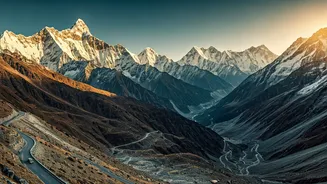
Reaching Drass is an adventure in itself, with two primary methods available: by road and by air. The most common route is by road, typically starting from Srinagar or Leh. The journey from Srinagar involves traversing the Zoji La pass, which is often challenging due to its high altitude and unpredictable weather. From Leh, the journey is comparatively easier, following the Leh-Kargil road. For those preferring to fly, the nearest airport is in Leh. From there, you can hire a taxi or take a shared vehicle to Drass, a journey of approximately 5-6 hours. It's important to check road conditions and weather forecasts before traveling, especially during the monsoon and winter months, as conditions can change rapidly.
Places To Stay
Accommodation options in Drass are more basic compared to larger tourist destinations, but they offer a unique glimpse into local life. You can find homestays and guesthouses, which provide a comfortable and authentic experience. These options often provide meals, allowing you to sample local cuisine. Booking in advance is recommended, especially during the peak season. Expect simple amenities, as Drass is remote, prioritizing warmth and a cozy atmosphere. The limited options reflect the village's focus on practicality and survival in the face of harsh conditions, adding a unique charm to your visit. The chance to interact with locals enhances the overall experience.
Exploring Local Trekking
Drass offers several trekking opportunities for adventure enthusiasts. The most prominent is the trek to Tiger Hill, which offers stunning views of the surrounding mountains and valleys. Trekking in Drass demands a high level of fitness and acclimatization due to the high altitude. It is crucial to be well-prepared with appropriate clothing, gear, and supplies. Always check weather conditions and inform someone of your trekking plans before embarking on any trek. Local guides can provide invaluable assistance and insights into the area's geography and culture. Engaging in treks allows you to fully appreciate the raw beauty of Drass, creating lasting memories.